 Search


- China's cooperation with Southeast Asian countries in new energy power is getting closer
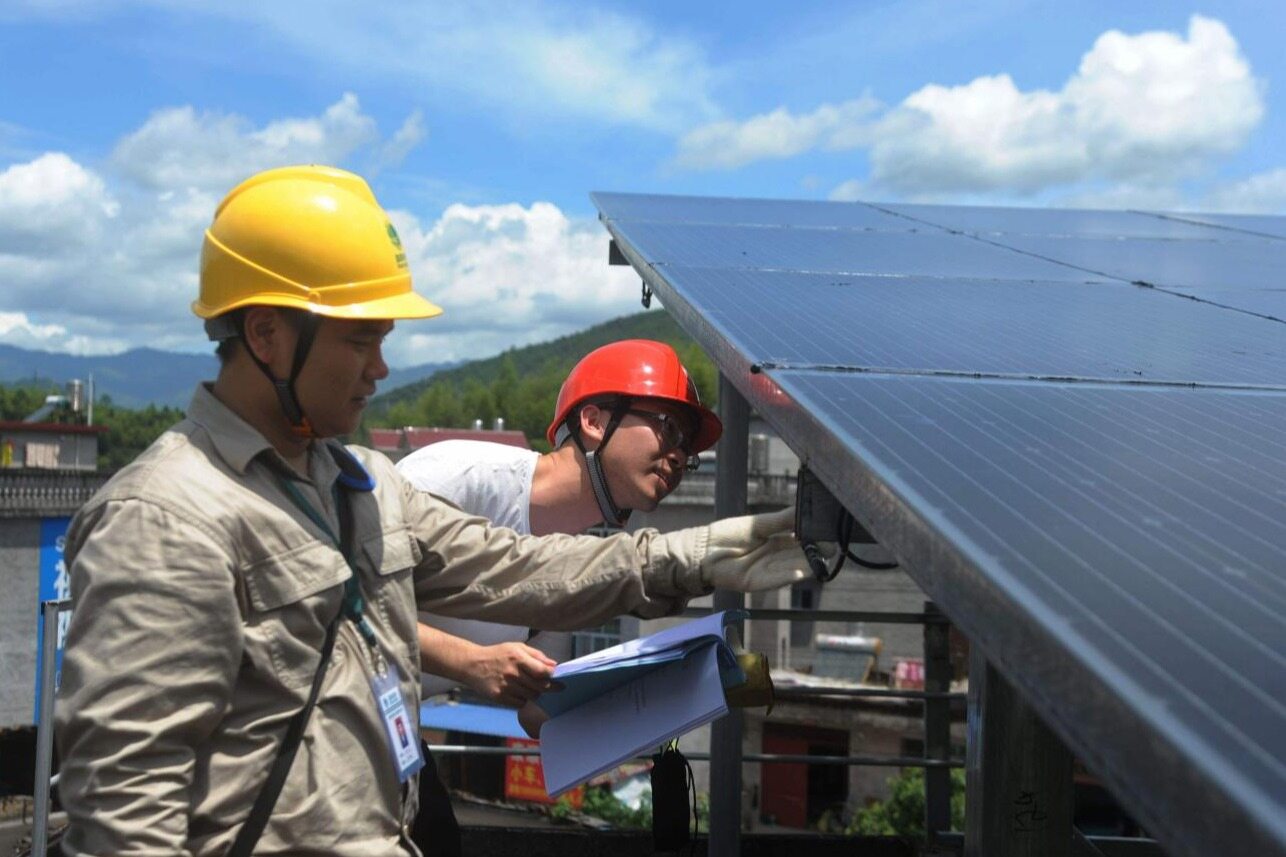
With the rapid development of the world’s industrial economy, carbon dioxide emissions are increasing. The earth’s ozone layer is suffering from unprecedented crises. Catastrophic climate changes have repeatedly appeared in the world, which have seriously endangered the living environment and health and safety of human beings. In order to alleviate this In the current situation, the word "low-carbon" has spread all over the world, and then the new energy industry has risen rapidly, and the old industrial areas have gradually declined. China will do a good job in carbon peaking and carbon neutrality, and actively fulfill its international obligations.
To enter the Southeast Asian new energy construction market
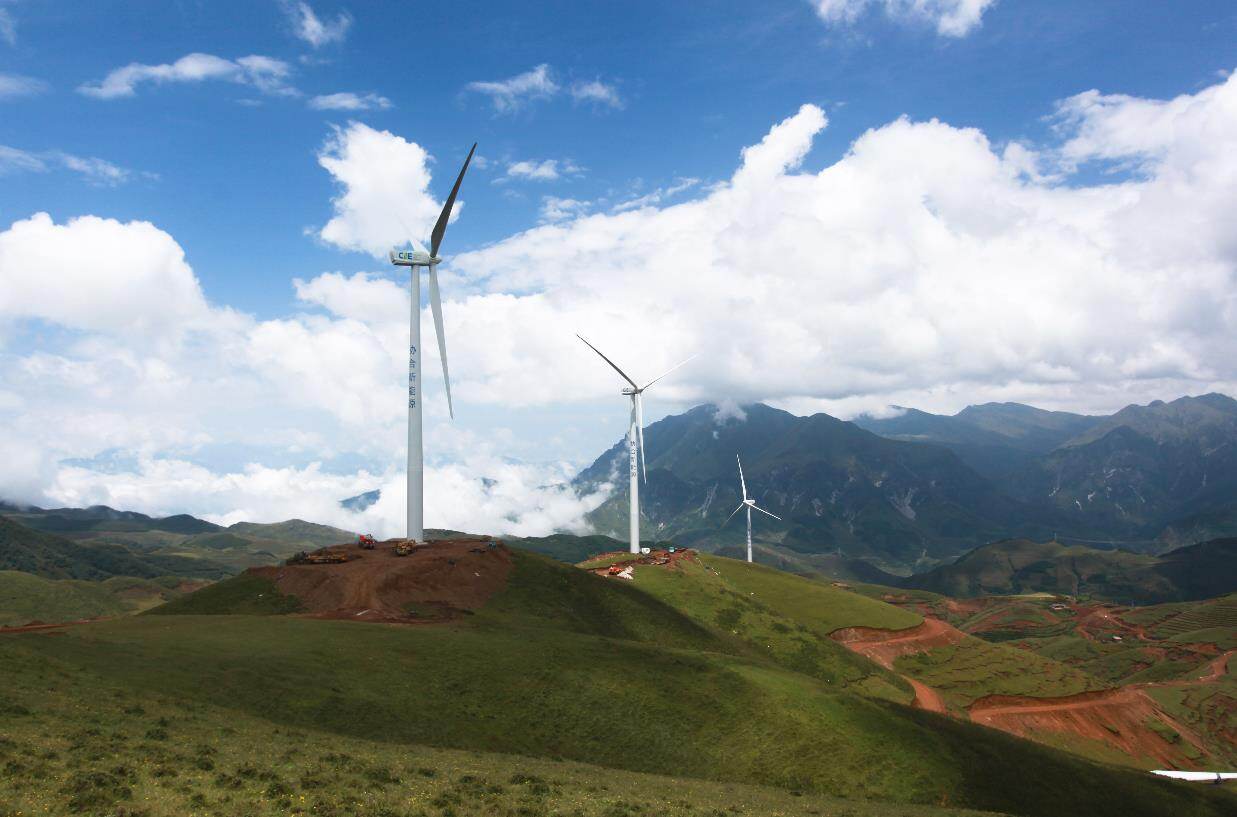
Up to now, the cumulative installed capacity of wind power projects built by Chinese companies in South Asia and Southeast Asia through equity investment has reached 397.5 MW, and there are still 1,362 MW wind power projects under construction or planning, contributing more than 1,700 MW of wind power installed capacity to the region. . The wind power projects that Chinese companies have participated in in the form of equity investment in the past five years have contributed to 36.8% of the local new wind power installed capacity and promoted the development of local renewable energy businesses.
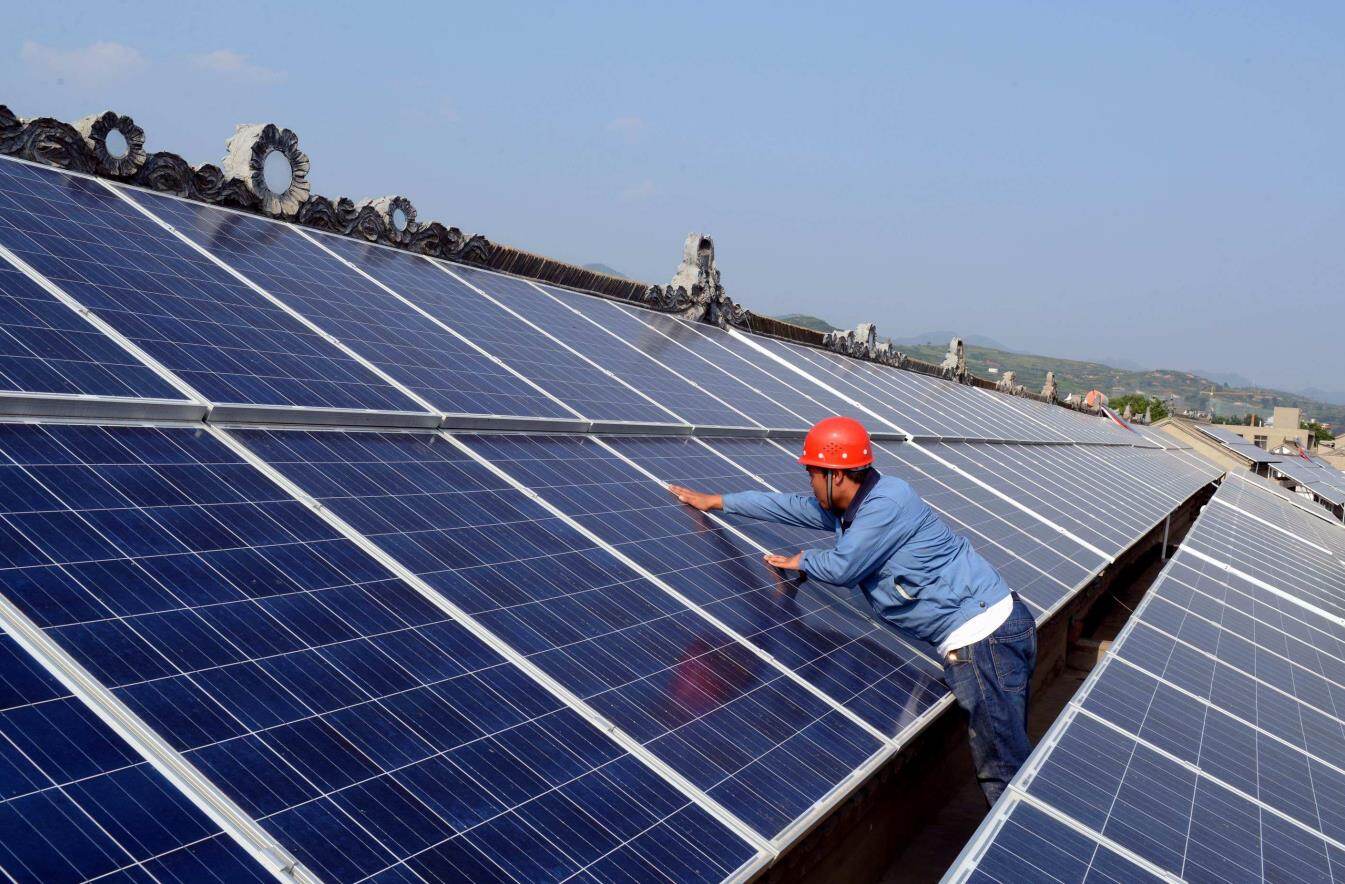
A few days ago, PowerChina signed an EPC contract with Vietnam’s WTO for the 350 MW offshore wind power project in Ca Mau, Vietnam, which is currently the largest offshore wind power project in Southeast Asia. Vietnam Ca Mau No. 1 Wind Power Project is located in the offshore area of Dengrui County, Nangen District, Ca Mau Province, Southern Vietnam. The total installed capacity is 350 MW. It is divided into four wind farms A, B, C, and D. The EPC contract scope of the project mainly includes intertidal wind power. Design, equipment supply, civil construction, installation and commissioning of engineering projects such as farms, collection submarine cables, 220 kV substations, and 220 kV transmission lines. The project is 190 MW in the AB area, which is planned to be connected to the grid on October 15, 2022, and the CD area is 185 MW, which is planned to be connected to the grid on June 30, 2023.
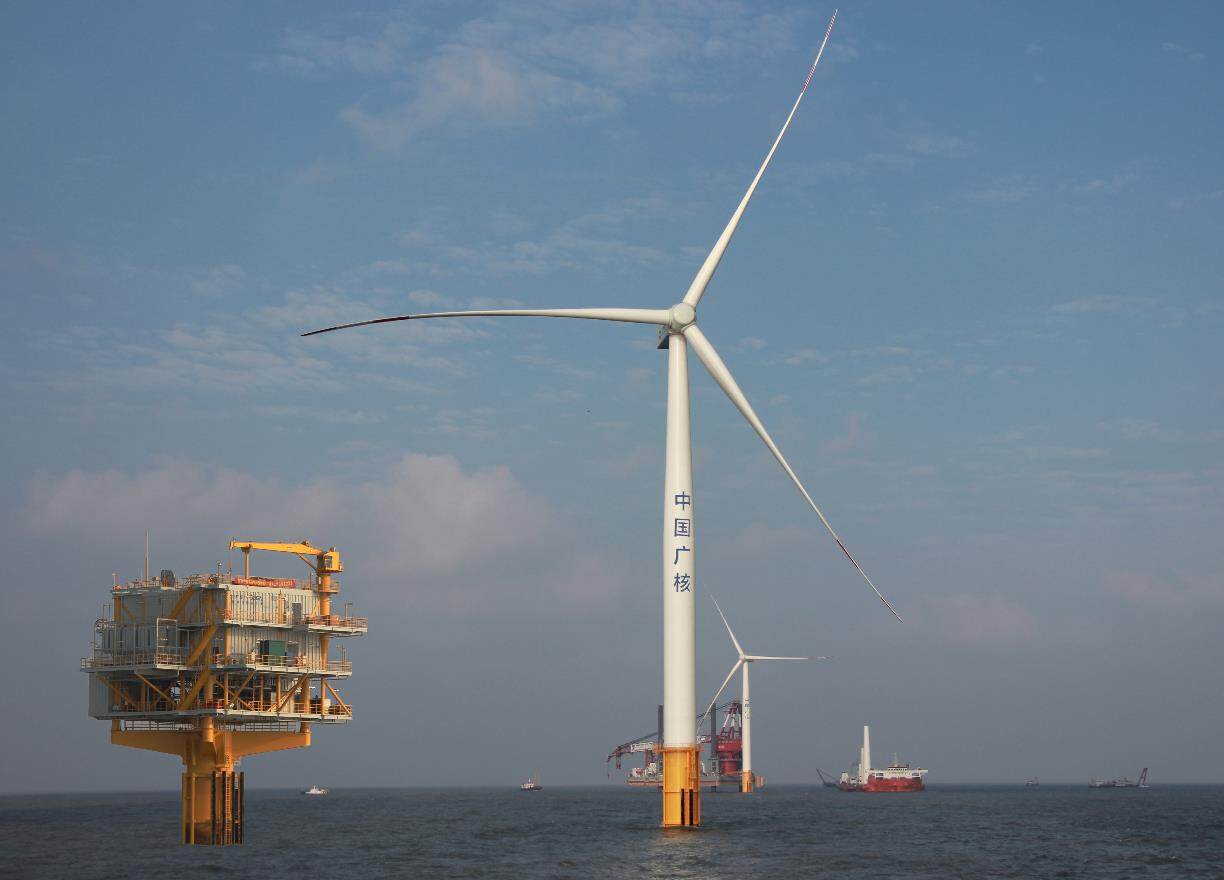
It is not the first time for China Power Construction to sign contracts for offshore wind power projects in Vietnam. The third phase of Vietnam’s Bac Lieu and the first phase of Shuozhuang offshore wind power project contracted by Power China’s Central South Research Institute are the first overseas offshore wind power general contracting project of a Chinese company, with a total installed capacity of 171 MW and 57 domestically produced “big windmills”. Composition, distributed in the sea area of 92 square kilometers. After the completion of the project, it is estimated that the annual on-grid power will be approximately 490 million kwh, which can meet the average annual power demand of 250,000 local residents. It is reported that since entering the Vietnamese market in 2000, POWERCHINA has adhered to the simultaneous development of water, fire, and scenery. It has undertaken the construction of the 550 MW photovoltaic power generation project in Luning, the largest photovoltaic power station in Southeast Asia, and the first phase of the Fula wind power project in Vietnam. Vietnam's largest hydroelectric power station, the San Lo project, and the first waste-to-energy project, Can Tho Waste-to-energy Plant, bring light and power to Vietnam. After the completion of the project, it will generate approximately 1.1 billion kilowatt-hours of new electricity annually, save approximately 450,000 tons of standard coal, reduce carbon dioxide emissions by approximately 880,000 tons, and significantly improve the current power shortage in the region and the entire southern region of Vietnam. At the same time, it is of great significance to promote the diversification of power supply modes in the region, reduce dependence on fossil energy, reduce the impact of climate change, protect the environment and achieve sustainable social and economic development.
Photovoltaic project construction
The 257 MW photovoltaic project in Vietnam Fu An Huahui, which was contracted by the Shanxi Institute of China Energy Construction Planning and Design Group, officially started. This project is the first international project undertaken by EPC+ financing, and its scale is by far the largest of all international projects in Shanxi Institute. At the same time, Shanxi Institute signed an EPC contract for the Vietnam SON MY 3.1 photovoltaic power generation project, adding new achievements to the development of Shanxi Institute’s new energy business in Vietnam. The project started, the contract was signed, and the development of Shanxi Institute in Southeast Asia's new energy market was progressing steadily. In September 2017, China Energy Construction Shanxi Institute and B. Grimm signed a 40.83 MW photovoltaic general contract in Thailand, successfully entering the Southeast Asian new energy market. In August 2018, Energy China Shanxi Institute signed a general contract for the Phu Yen 257 MW photovoltaic project in Vietnam. This project has the largest scale of Shanxi Institute’s international projects and achieved a breakthrough in the new EPC+ financing business model.
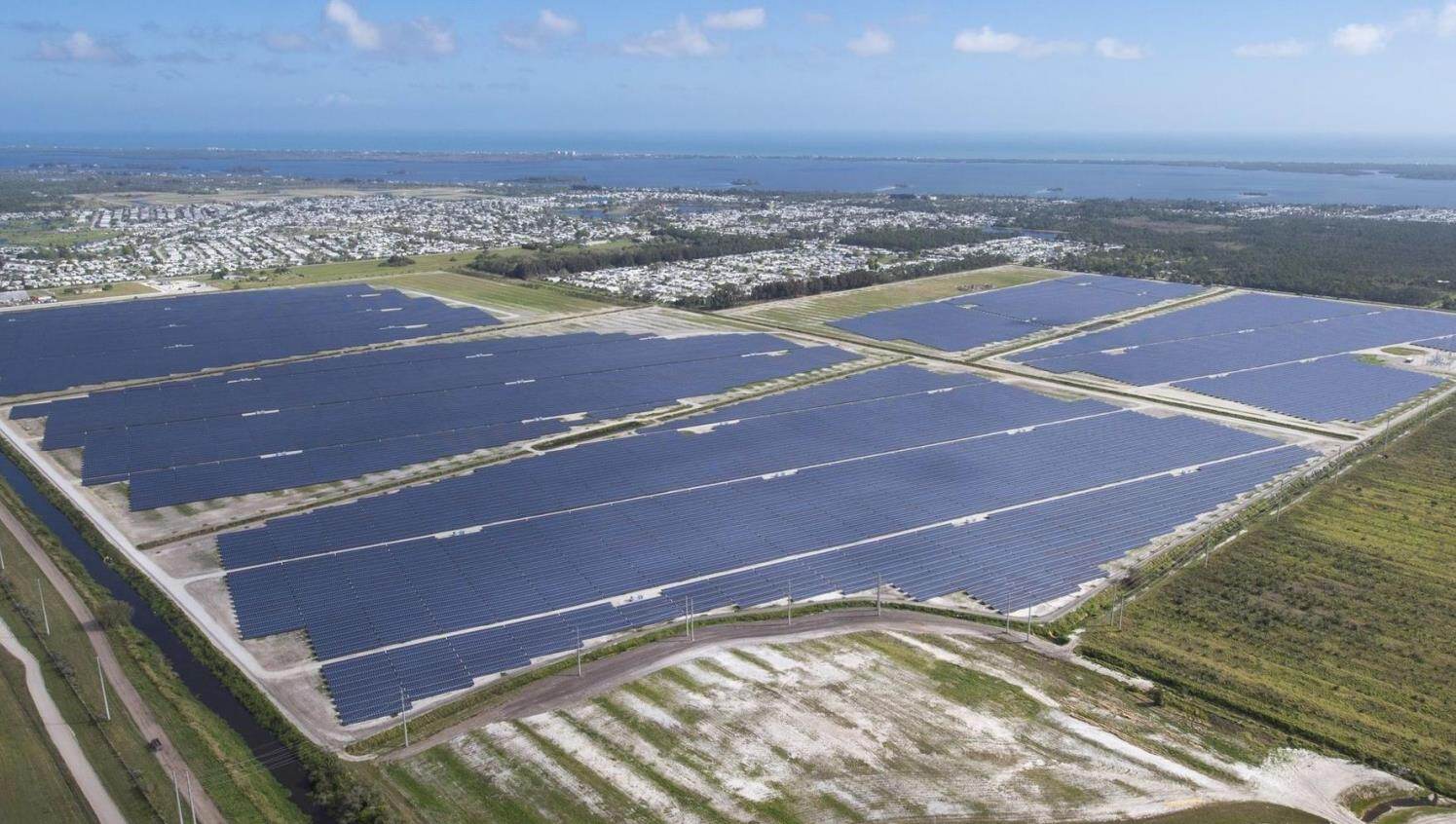
According to Sun Changjiang, director of the General Contracting Management Department of the New Energy Engineering Institute of the East China Institute, China Power Construction has built more than 900MW projects in Southeast Asia such as Vietnam and Pakistan. The types cover water surface, floating, mountain and sand photovoltaics. He said that EPC companies need to refer to international standards for overseas projects in overseas projects, high standards and strict requirements, from a design perspective, to ensure safety, quality, and schedule issues from the source. Li Yong, deputy general manager of the Engineering Construction Division of the Guiyang Institute of Power China, focused on the characteristics of photovoltaic projects in the Vietnamese market, short construction period, resource-intensive, etc., and focused on logistics and tariff reduction during the project implementation period. As the “dark horse” of the Southeast Asian photovoltaic market in 2019, Vietnam contributed 5.4GW of new installed capacity. In 2020, Vietnam will continue to lead the Southeast Asian market in new photovoltaic installations. "Today, photovoltaic power generation project bidding has become the main force in the development of renewable energy in Southeast Asian countries, accounting for 90% of all public bidding projects. Up to now, the scale of public bidding for photovoltaic power generation projects in Malaysia and Myanmar has reached the gigawatt level." Industry consulting agency Hu Dan, senior analyst at IHSMarkit, said, “As the scale of the industry continues to expand, the development momentum of the photovoltaic market in Southeast Asian countries is gradually shifting from a single country, Vietnam to drive the development of the entire region’s industry, to the common development and progress of multiple countries.” "With the continuous improvement of the economy and competitiveness of photovoltaic power generation, ground-based photovoltaic power plants are no longer the only source of power to promote the development of the photovoltaic industry, and distributed photovoltaics have also begun to enter the mass market. It is expected that by 2024, distributed photovoltaic projects in Southeast Asia The newly installed capacity will account for 30%-35% of the total newly installed photovoltaic capacity that year."
From the perspective of household/industrial and commercial photovoltaic demand in nine Southeast Asian countries from 2010 to 2024, Vietnam’s household photovoltaic power will reach 1GW in 2020, followed by Thailand with a scale of about 500MW. By 2021, the total household PV in Southeast Asia is expected to reach 2GW. Therefore, regardless of the bidding price, the scale of market demand, or the difficulty of foreign investment, the Southeast Asian market is a market worthy of attention and more understanding.
In the future, overseas markets will be the main battlefield of the photovoltaic industry. Southeast Asia, where logistics is relatively convenient, has a photovoltaic potential of more than 20GW in the next 3-5 years. In particular, distributed power stations and households are becoming the mainstream of installed capacity. At the same time, large-scale ground power stations, floating photovoltaics, The complementarity of fishery and light, and the complementation of agriculture and light are moving towards diversified and innovative development, and the combination of light and storage will also rise in the Philippines, Indonesia and other regions with poor grid penetration. More European and American investors will enter the Southeast Asian market, and Chinese EPC companies will go overseas. Will usher in more opportunities and challenges.
Water Resources and Hydropower Engineering
Due to the abundant water resources in Southeast Asian countries, China Hydropower Foreign Corporation has obvious advantages in hydropower design, construction, operation, management, technology and services. As early as the 1950s and 1960s, the predecessor of China Hydropower Corporation ——The foreign aid agency of the Ministry of Water and Electricity of China began to carry out hydropower aid construction business in Myanmar and other Southeast Asian countries. It has successively undertaken a number of projects that have an important position in bilateral economic and trade relations, such as the Penang Water Supply Project in Malaysia, the Papa Nam Sluice Project in Thailand, and the Nam Meng 3 Hydropower Station Project in Laos. Among them, the Laos Nammeng 3 Hydropower Project has become a model of cooperation between China and Laos, and the Telok Barang Dam in the Penang Water Supply Project in Malaysia has also become a model of cooperation between China and Malaysia. Lv Jiongtao, deputy general manager of China Hydropower Foreign Corporation, said that the reason why so many projects can be constructed in ASEAN countries, and many of them have become models of cooperation between the two countries. On the one hand, it is also inseparable from the company's emphasis on the social benefits of the project. He said: "When we first started to build the project, there was very little local labor. We hired all the labor from the surrounding area and solved the local employment problem. This is very obvious. After the construction was completed, the road was also repaired, and at the same time it was built. The water conservancy project has also improved the yield of downstream agriculture, which has significantly promoted the local economy. After the completion of the project, the roads were repaired, the surrounding people built new houses, and the living conditions were significantly improved. We also helped the local people establish new emigration villages. , To help them build schools and help schools solve the problem of enrollment. Some projects have become local tourist areas after they are completed."
After years of development, Sinohydro’s foreign companies have successively undertaken more than 30 contracted projects in Southeast Asian countries, with a cumulative turnover of more than 1 billion US dollars, covering hydropower stations, irrigation, urban water supply, roads, power transmission and transformation, etc. In 2011, even during the tense phase of Sino-Philippine relations, China Hydropower Foreign Corporation undertook the Philippine Angat Water Supply Project invested by the Chinese government. After the completion of the project, 30% of Manila's water supply can be solved. Through technological innovation, the company has greatly advanced the construction period, greatly alleviated the severe water supply situation in Metro Manila, the capital of the Philippines, and achieved good economic and social benefits. The President of the Philippines personally attended the water opening ceremony of the project and thanked China Technical and financial support.
Development prospects of new energy projects in Southeast Asia
Professor Gu Alun from the Institute of Energy, Environment and Economics of Tsinghua University said: The favorable policies brought about by the Belt and Road Initiative have led to a better and faster development of overseas investment in the renewable energy industry. China's overseas investment in wind power overweights developing countries, not only expanding overseas markets for Chinese companies, but also promoting local energy transformation and sustainable development. High-quality renewable energy overseas projects can bring employment, economic and environmental benefits to the host country. On the one hand, renewable energy investment is in line with the low-carbon and sustainable development goals of China’s Green Belt and Road Initiatives, and on the other hand, it can effectively help the host country to get rid of its dependence on traditional energy sources such as coal as soon as possible, and help the host country to achieve its sustainable development. Sustainable development goals.
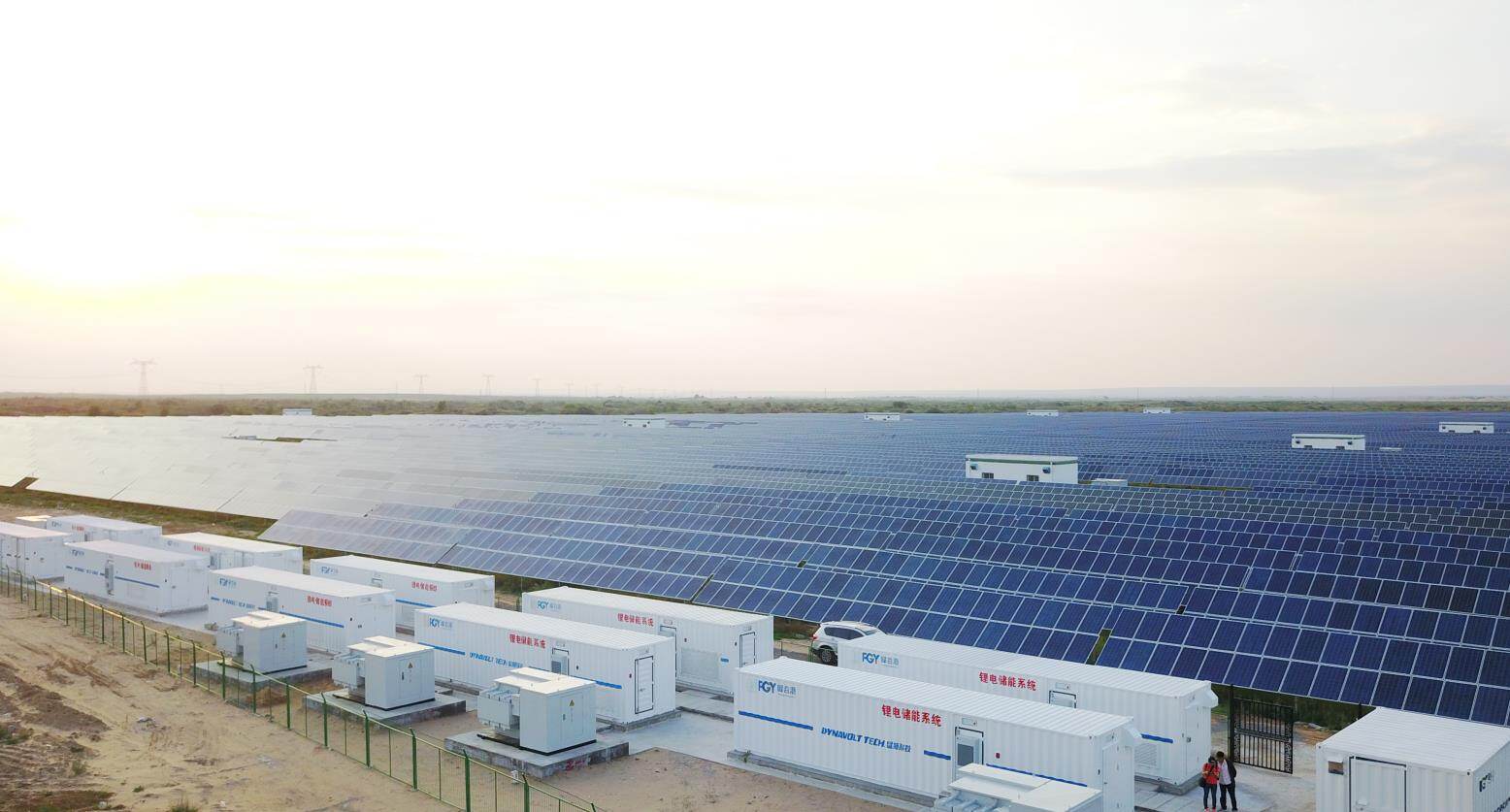
The world that uses fossil fuels as energy is unsustainable. It is imperative to develop clean and sustainable energy to achieve carbon neutrality; hydrogen/liquid hydrogen, wind power, photovoltaics, water conservancy and hydropower, and nuclear energy are inevitable for sustainable development; despite their existence There are many challenges, but they are the inevitable trend of future energy. In order to achieve the dual-carbon goal, we must vigorously develop new energy and protect the environment, that is, to protect ourselves.Editor/Xing Wentao
Comment



 Praise
 Collect
 Comment

 Share
Share


Write something~