 Search


- After the Chinese economy adapts to the new normal in 2022, the acceleration of railway infrastructure investment will be a major trend
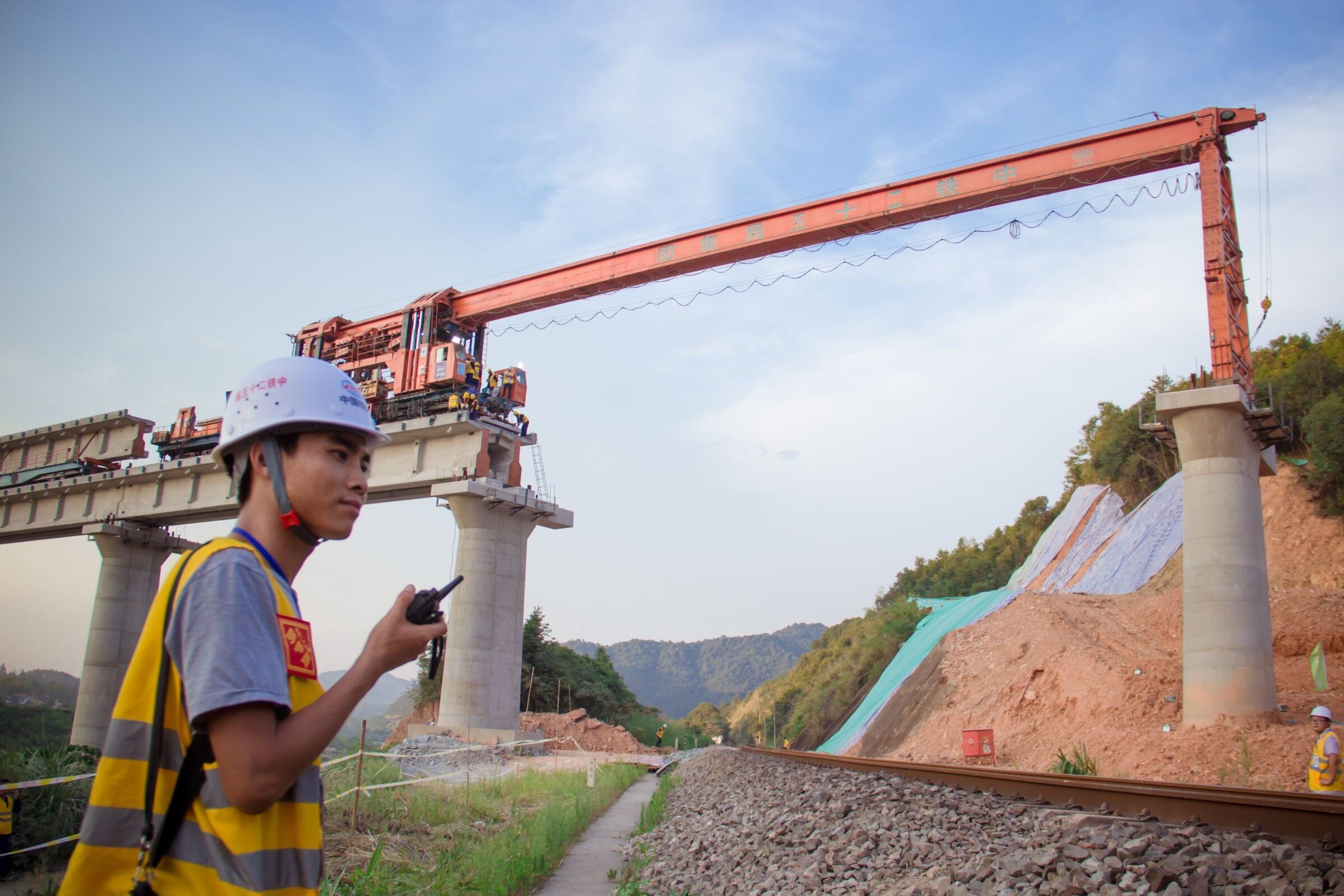
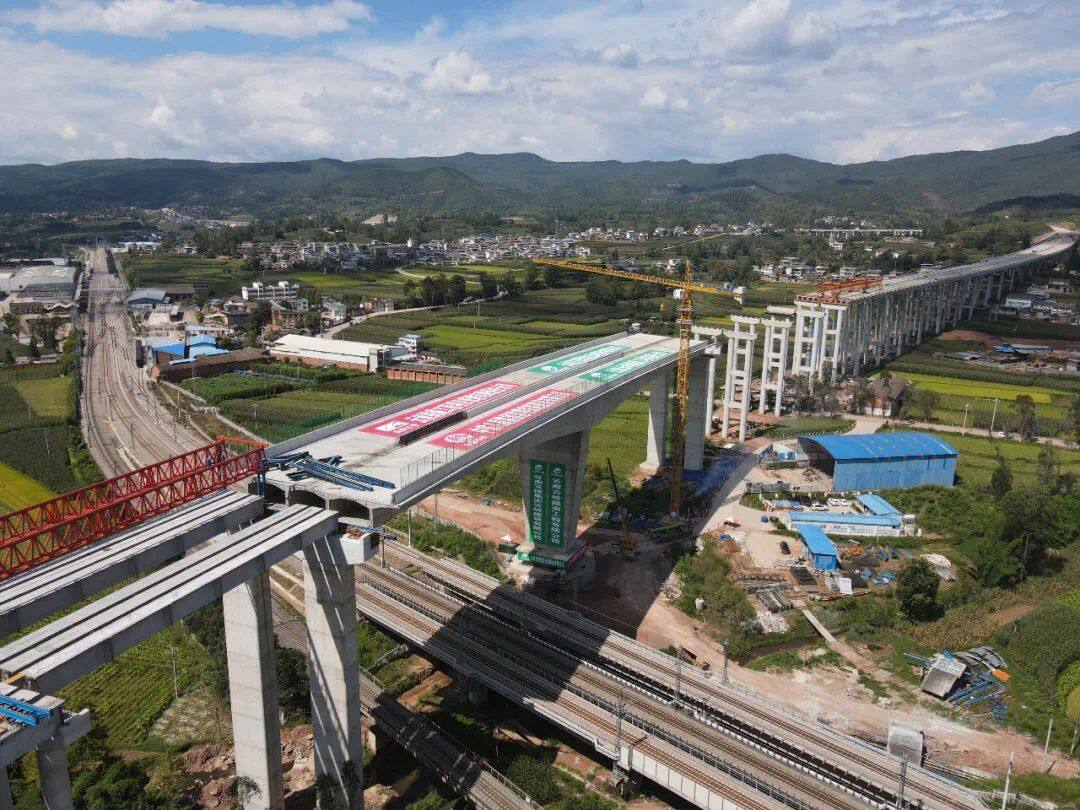
The construction of the railway network is an important cornerstone to support the high-quality development of the economy in the future. Combined with the arrangement of railway projects under construction and proposed construction, it is expected that the total scale of fixed asset investment in the "14th Five-Year Plan" will be comparable to that of the "13th Five-Year Plan", and will continue to maintain a stable trend. Zhao Changjiang, deputy director of the Development and Reform Department of China National Railway Group Co., Ltd. (hereinafter referred to as "National Railway Group"), held the National Development and Reform Commission's "14th Five-Year Plan" Modern Comprehensive Transportation System Development Plan (hereinafter referred to as "" The above statement was made at the press conference.
Railway investment remains at the same scale
According to the reporter's review, during the "13th Five-Year Plan" period (2016-2020), railway fixed asset investment completed 801.5 billion yuan, 801 billion yuan, 802.8 billion yuan, 802.9 billion yuan and 781.9 billion yuan respectively, reaching a total of 3.99 trillion yuan. , an average of 798.02 billion yuan per year.
Data released by China National Railway Group in early 2022 showed that in 2021, the national railway completed a fixed asset investment of 748.9 billion yuan, a year-on-year decrease of 4.22%, the lowest in the past eight years. This means that in the last four years of the "14th Five-Year Plan", the average annual railway fixed asset investment needs to complete 810.3 billion yuan.
Although the scale of railway investment continues to maintain the same intensity as during the "13th Five-Year Plan" period, the mileage of newly built railways is expected to show a downward trend.
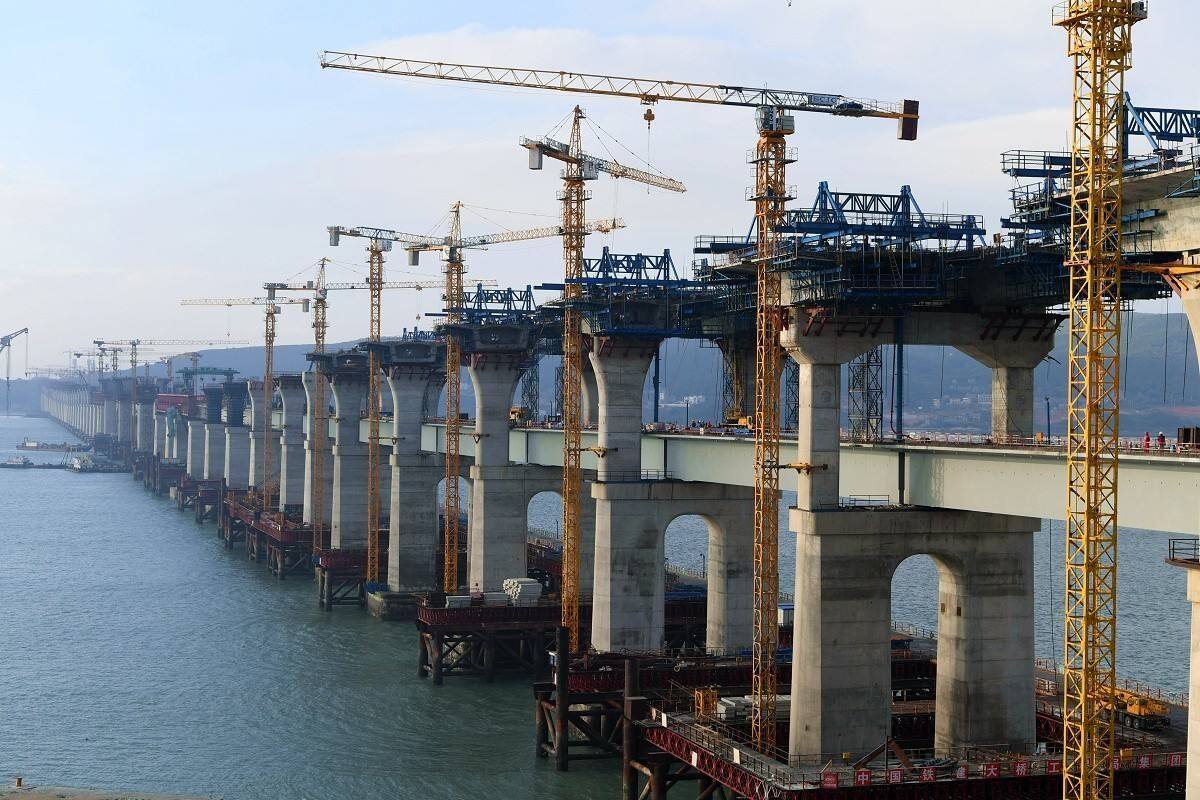
On January 4, 2022, the National Railway Group held a working meeting on the whole railway. It was announced at the meeting that in 2022, the railway plans to put into operation more than 3,300 kilometers of new lines, including about 1,400 kilometers of high-speed railways and about 1,900 kilometers of ordinary-speed railways (see China Business Network 2022 for details). On January 4, 2018, it was reported that "Railway investment continued to decline, reaching a low of 748.9 billion yuan in 8 years").
According to the reporter's statistics, from 2018 to 2021, the mileage of railways and high-speed railways in China will be 4,683 kilometers and 4,100 kilometers; 8,489 kilometers and 5,474 kilometers; 4,933 kilometers and 2,900 kilometers; 4,208 kilometers and 2,168 kilometers.
By comparison, it is found that from 2020, the new lines of railways and high-speed railways have dropped significantly. In 2021, the two values will drop by 14.70% and 25.24% respectively.
A person from China National Railway Group told reporters that due to the railway construction cycle, the annual railway investment quota does not reflect the mileage of the railway in operation in that year. "So, this also explains why railway investment maintains the same intensity, but the annual mileage of production is declining," he said.
Zhao Changjiang also introduced that the focus of railway planning and construction during the "14th Five-Year Plan" period includes the construction of the Sichuan-Tibet railway and efforts to fill in the "blanks" of the western railway, and to accelerate the completion of the "eight vertical and eight horizontal" high-speed railway network and expand the normal-speed railway network. It is also a key task to promote the construction of intercity railways and suburban railways in metropolitan areas.
The construction intensity of high and ordinary railways increases and decreases
Regarding the expected value of railway construction during the "14th Five-Year Plan" period, on January 18, the State Council issued the "Planning" and proposed that by 2025, the operating mileage of railways will reach 165,000 kilometers, of which the operating mileage of high-speed railways will reach 50,000 kilometers. With "eight vertical and eight horizontal" high-speed railway main channels as the main skeleton, connected by high-speed railway regional connecting lines, mainly using the high-speed railway network with a speed of 250 kilometers and above, the coverage rate of cities with a population of more than 500,000 has reached more than 95%, and the general speed Railway bottleneck sections are basically eliminated.
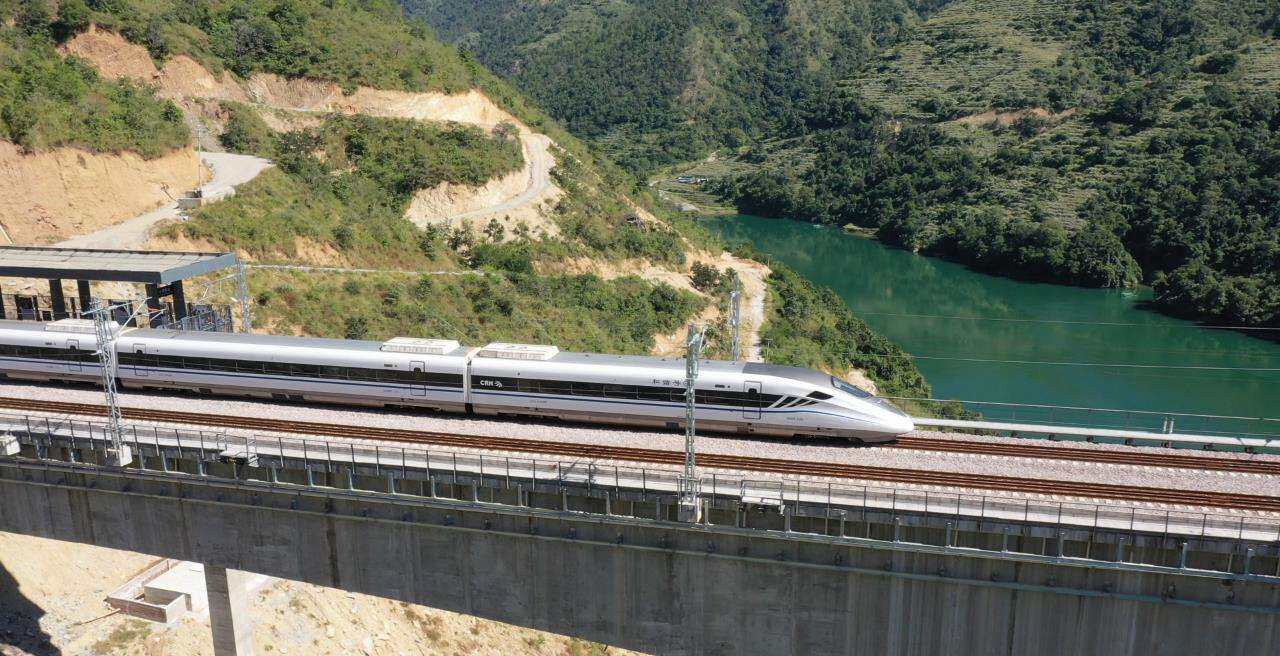
At present, the "14th Five-Year Plan for Railway Development" has not been released. A person in the rail transit industry told reporters that since the "Planning" is the upper-level plan of the "14th Five-Year Railway Development Plan", it is expected that the construction goals of the "14th Five-Year Railway Development Plan" will be consistent with the "Planning". .
The "Medium and Long-Term Railway Network Planning" released by the National Development and Reform Commission in July 2016 proposed that by 2025, the scale of China's railway network should reach about 175,000 kilometers, of which about 38,000 kilometers of high-speed railways. It is not difficult to see that compared with 2016, the central government has increased the mileage target of high-speed railways in 2025 by 12,000 kilometers in the "Planning", and reduced the mileage target of ordinary-speed railways by 22,000 kilometers.
As of the end of the "13th Five-Year Plan", the operating mileage of railways nationwide has reached 146,000 kilometers, of which 38,000 kilometers are high-speed railways. According to the goal of the "Planning", during the "14th Five-Year Plan" period, China will build 19,000 kilometers of railways, including 12,000 kilometers of high-speed railways and 7,000 kilometers of ordinary-speed railways. The average annual growth of railways is 3,800 kilometers, including 2,400 kilometers of high-speed railways and 1,400 kilometers of ordinary-speed railways. This means that in the next few years, the construction intensity of China's high-speed railways will still be higher than that of ordinary-speed railways.
As of the end of the "Twelfth Five-Year Plan", the national railway mileage has reached 121,000 kilometers, including 19,000 kilometers of high-speed rail. That is to say, during the "Thirteenth Five-Year Plan" period, the average annual growth of railways is 5,000 kilometers, including 3,800 kilometers of high-speed railways and 1,200 kilometers of ordinary-speed railways.
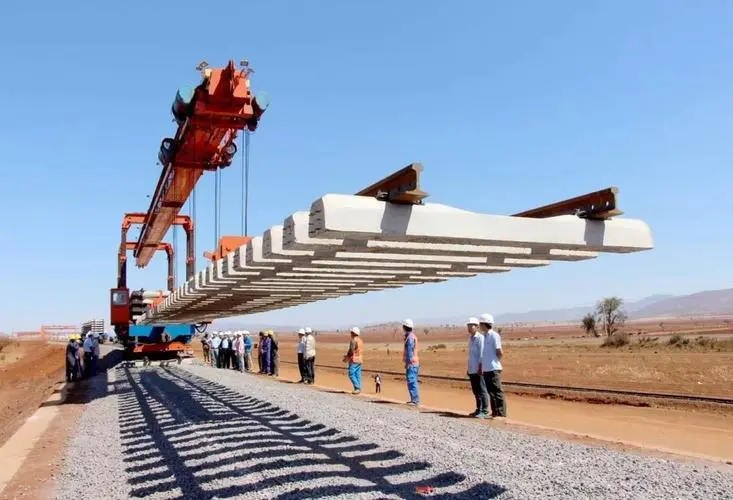
From the above data, it is not difficult to see that in terms of the average annual construction mileage, the railway construction intensity during the "14th Five-Year Plan" period was significantly slower than that during the "13th Five-Year Plan" period. The annual railway construction mileage will decrease by about 24% compared with the "Thirteenth Five-Year Plan". Among them, the construction mileage of high-speed railway will decrease by about 36.84%, and the ordinary speed railway will increase by about 16.67%.
The "Thirteenth Five-Year Plan for the Development of Railways" issued at the end of 2017 proposed that by the end of 2020, the national railway operating mileage will reach 150,000 kilometers, including 30,000 kilometers of high-speed railways. But in fact, by the end of 2020, the national railway operating mileage will reach 146,300 kilometers, and the high-speed railway operating mileage will reach 38,000 kilometers. The high-speed railway mileage target was successfully completed, and the railway operating mileage is still 3,700 kilometers short of the "13th Five-Year Plan" target. The lag in the construction of ordinary-speed railways has resulted in the failure to achieve the goals of the "13th Five-Year Plan" (see China Business Network's report on January 5, 2021, "The 3700-kilometer difference in railway construction under the 13th Five-Year Plan").
In addition to railways, the "Planning" also proposes that by 2025, the mileage of high-speed kilometers will increase from 161,000 kilometers at the end of the "13th Five-Year Plan" to 190,000 kilometers. The operating mileage of urban rail transit has increased from 6,600 kilometers to 10,000 kilometers.
The "Plan" shows that at present, China's comprehensive transportation development is still unbalanced and insufficient. The layout of the comprehensive transportation network is not balanced, the structure is not reasonable, and the connection is not smooth enough. There are obvious shortcomings in the inter-city and urban (suburban) railways in key urban agglomerations and metropolitan areas.
In this regard, the "Planning" requires that by 2025, comprehensive transportation will basically achieve integrated and integrated development, achieve substantial breakthroughs in intelligence and greening, and significantly improve comprehensive capabilities, service quality, operational efficiency and overall benefits. world-class level.
Regarding funding issues, the "Planning" proposes to arrange government investment to actively support the construction of transportation infrastructure, and include eligible projects into the scope of local government bond support. Increase maintenance capital investment, fully guide diversified capital to participate in transportation development, and form a sustainable capital investment mechanism that pays equal attention to construction and maintenance. Explore diversified support policies such as comprehensive development of hub land. Editor / Xu Shengpeng
Comment

 Praise
 Collect
 Comment

 Share
Share


Write something~