 Search


- At present, China has built four Antarctic research stations equipped with the latest technology and equipment
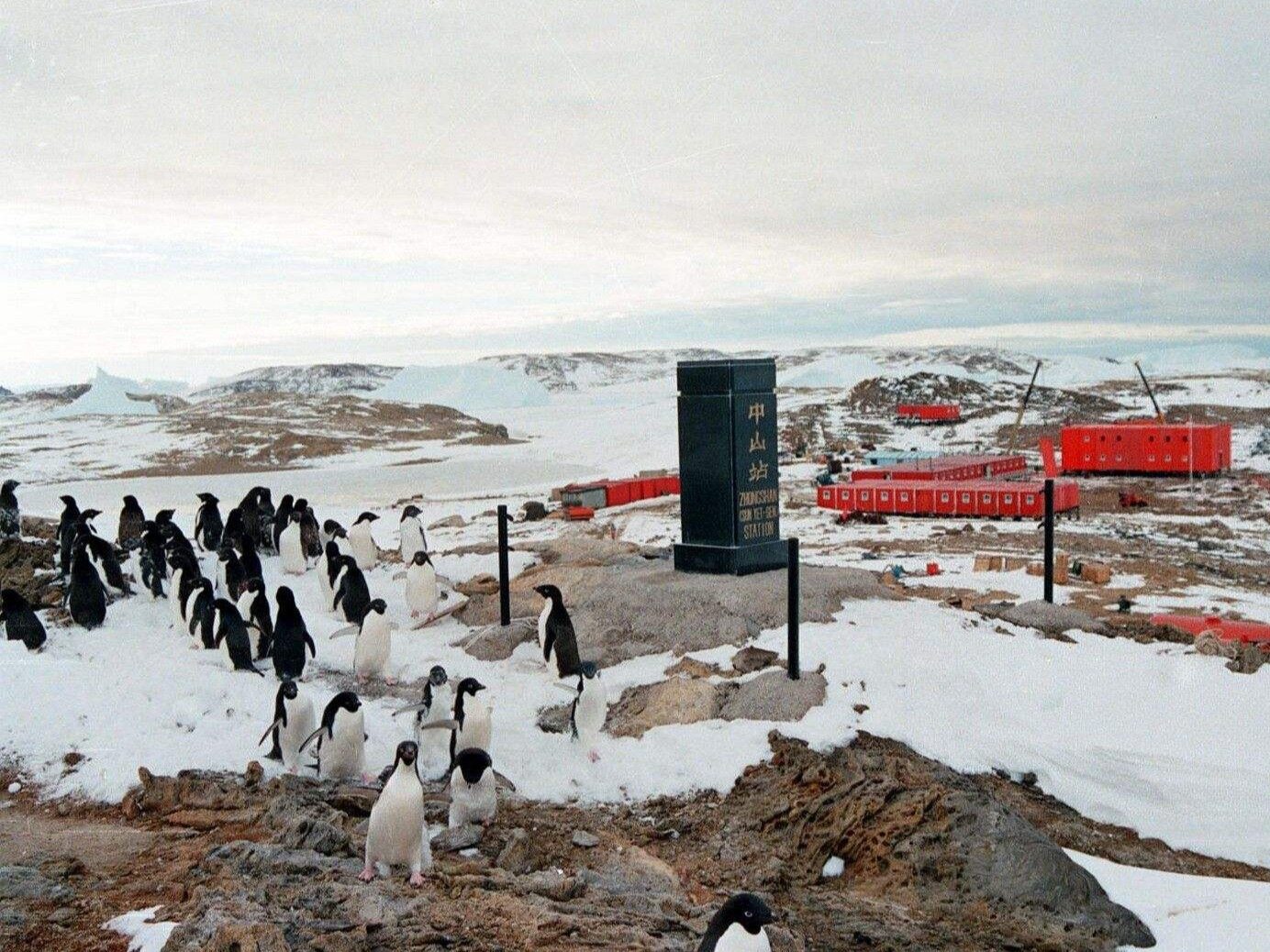
On February 3, 2022, the Russian Free Media Network published an article saying that China is becoming a major country in Antarctic scientific research.
The Soviet Union was once considered a leader in the study of Earth's most mysterious continent, Antarctica. But time has changed. Today, Russian scientists are ashamed of their Chinese counterparts: the country has built four Antarctic research stations equipped with the latest technological equipment.
Not long ago, China sent its 38th scientific expedition to Antarctica. The scientific significance of the expedition is almost no less than a trip to space. The 38th Antarctic expedition team has departed from Shanghai with the "Xuelong" icebreaker in November 2021. The first batch of 154 members and the second batch of 101 members are expected to return to China in mid-April 2022.
Chinese scientists and engineers are conducting scientific investigations on atmospheric composition, hydrometeorology, ecological environment, etc., focusing on addressing global climate change, and carrying out monitoring tasks for new pollutants such as microplastics in the Southern Ocean and sea drifting garbage. Before the expedition, China's Antarctic Zhongshan Station fully updated its communication system. Scientists can now transmit all measurements in real time to the headquarters, the China Polar Research Center in Shanghai.
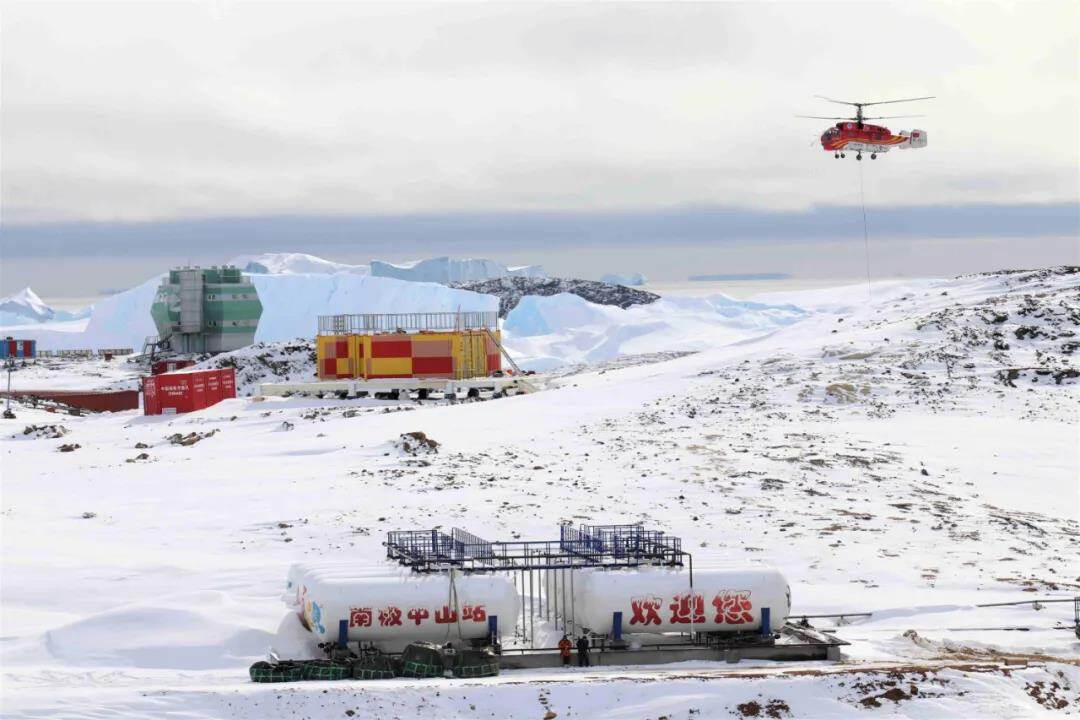
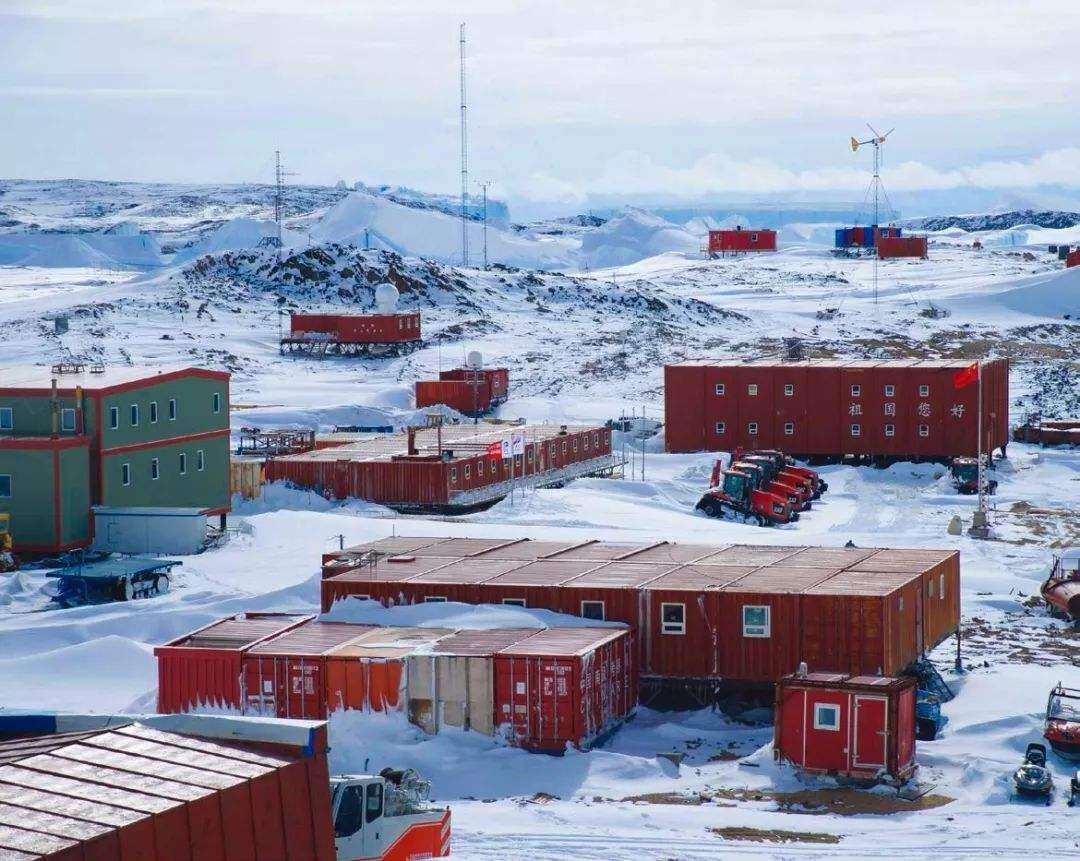
At present, China has four scientific research stations in Antarctica, of which Zhongshan Station is the largest. In 2010, it received a new look after an extensive makeover. Now, the planting automatic control system here can cultivate fresh vegetables weighing kilograms without soil every day, mainly including cucumber, lettuce and cabbage.
In recent years, China has also built two scientific research stations, Kunlun and Mount Tai, in Antarctica. Kunlun Station is equipped with the largest optical telescope in Antarctica, the Sky Survey Telescope, while Taishan Station has become a relay station of Kunlun Station.
Another scientific research station, the Great Wall Station, was established in 1985. After several expansions, it can accommodate up to 60 people for investigation. It is a perennial scientific research station.
In addition, China is advancing the construction of a new Ross Sea station. This location is not accidental: the Ross Sea is one of the three major bay systems that face the Pacific Ocean from Antarctica. Six countries, including the United States, New Zealand, Italy and Russia, have built seven scientific research stations in the region.
The new Ross Sea station will be low-carbon and environmentally friendly, using a new energy system based on light and wind energy. It will engage in all kinds of modern scientific research, from earthquakes to cosmic radiation, but its main mission remains ecosystem research to understand how global warming affects the planet. The Ross Sea has now established the world's largest marine protected area and is the best place to study the impact of human activities on the planet.
Not long ago, Chinese scientists confirmed that a new type of methanogenic archaea (Candidatus Methanoliparum) can directly "eat" oil. This microorganism lives in underground oil formations and has the function of independently degrading long-chain alkyl hydrocarbons to produce methane.
The "wonder bacteria" can feed on a variety of petroleum components, including dozens of hydrocarbons, and it can break down all related substances with just one enzyme. Chinese scientists not only discovered this unique bacterium, but also cultivated it in the laboratory. It can be used for bioremediation, such as cleaning oil-contaminated water or soil. It's also important for the planet's poles: the Arctic and Antarctic are suffering from increasing oil pollution. Editor/He Yuting
Comment




 Praise
 Collect
 Comment

 Share
Share


Write something~