 Search


- The total length of the project line is 49km, the design speed is 140km/h, and the whole line has 14 stations
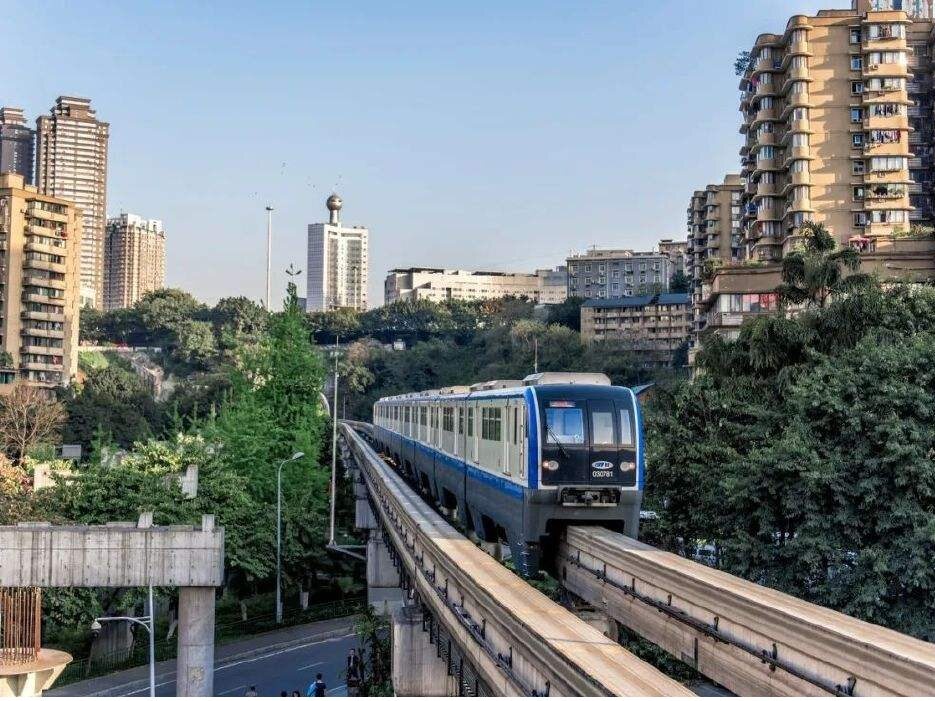
Recently, the reporter learned from the Chongqing Municipal Housing and Urban-Rural Development Committee that the construction of Chongqing Rail Transit Line 27 has begun, and the project construction is progressing efficiently, which will help speed up the construction of an urban area on the track.
Chongqing Rail Transit Line 27
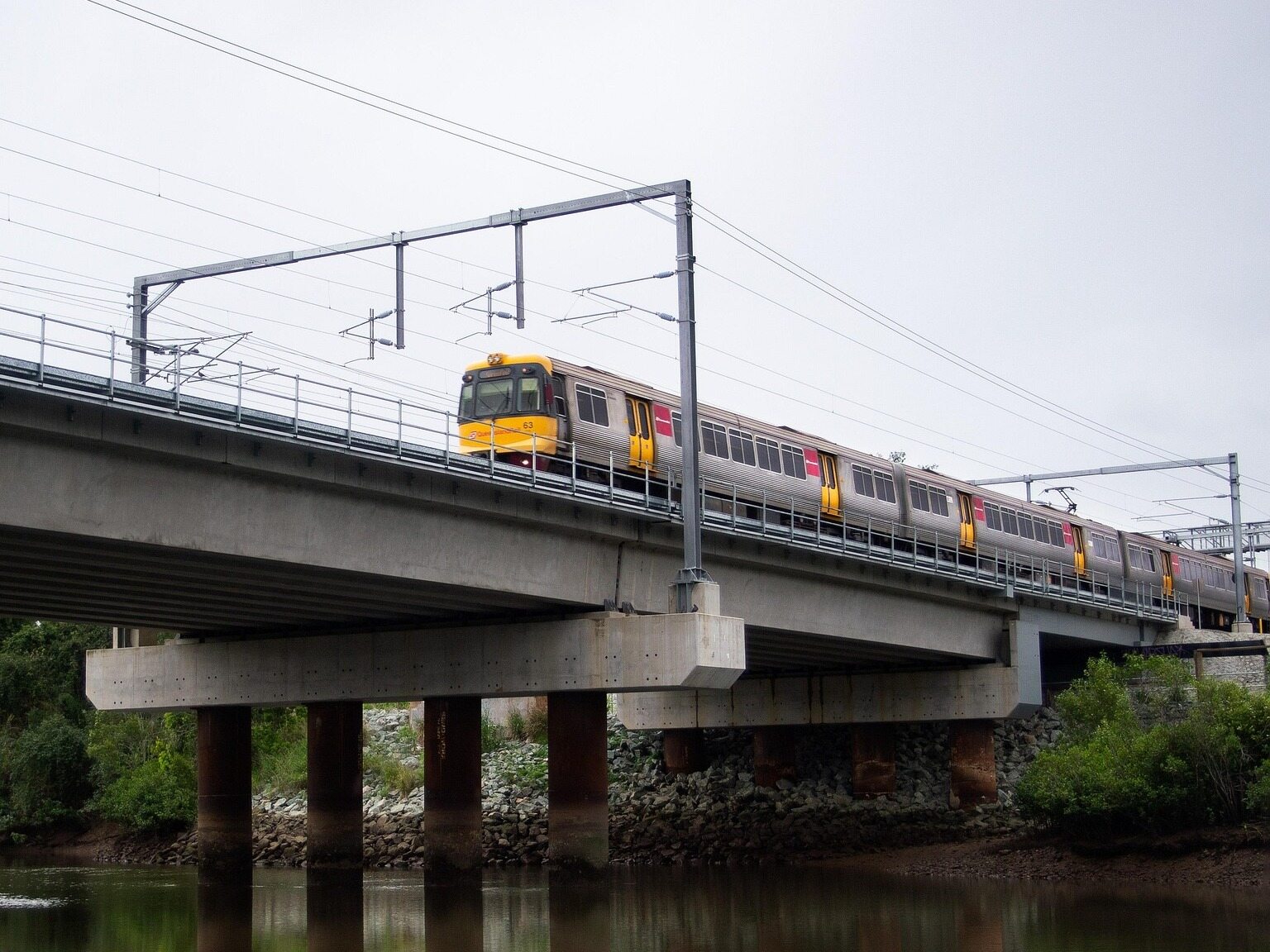
Chongqing Rail Transit Line 27 starts from Bishan District and ends in Nan'an District. The design speed is 140 kilometers per hour. It adopts AC25kV alternating current system. Both ends of the line are connected to the city (suburban) railway. The total length of the line is 49 kilometers, including 47.3 kilometers of underground lines and 1.7 kilometers of elevated lines.
It is reported that Chongqing Rail Transit Line 27 spans the three major valleys in the east-west direction of the main urban area, and connects three railway passenger stations (Chongqing East Station, Caiyuanba Station, Shapingba Station) and three major business circles (Southern Railway Station) in the form of express lines. Ping business district, Daping business district, Shapingba business district); there are 14 stations on the whole line, of which 13 are underground stations and 1 is an elevated station. The line will connect important gateway hubs in Chongqing, realize the rapid transformation of traffic inside and outside the city, and improve the efficiency of rail transit.
According to the Chongqing Housing and Urban-Rural Development Committee, at present, 10 rail transit lines have been opened in the central urban area of Chongqing, with a mileage of more than 400 kilometers, covering important functional nodes such as airports, high-speed railway stations, comprehensive hubs, and business districts, with a maximum daily travel volume of more than 400 10,000 people. Rail transit accounts for more than 50% of Chongqing's public bus trips.
After the completion of the Chongqing Rail Transit Line 27 project, it will connect the important gateway hubs in the central urban area of Chongqing to realize the rapid transformation of traffic inside and outside the city and improve the efficiency of rail transit. Editor/He Yuting
Comment

 Praise
 Collect
 Comment

 Share
Share


Write something~