 Search


- GWEC says global offshore wind farm capacity needs to reach 2TW by 2050 to reduce net emissions to zero
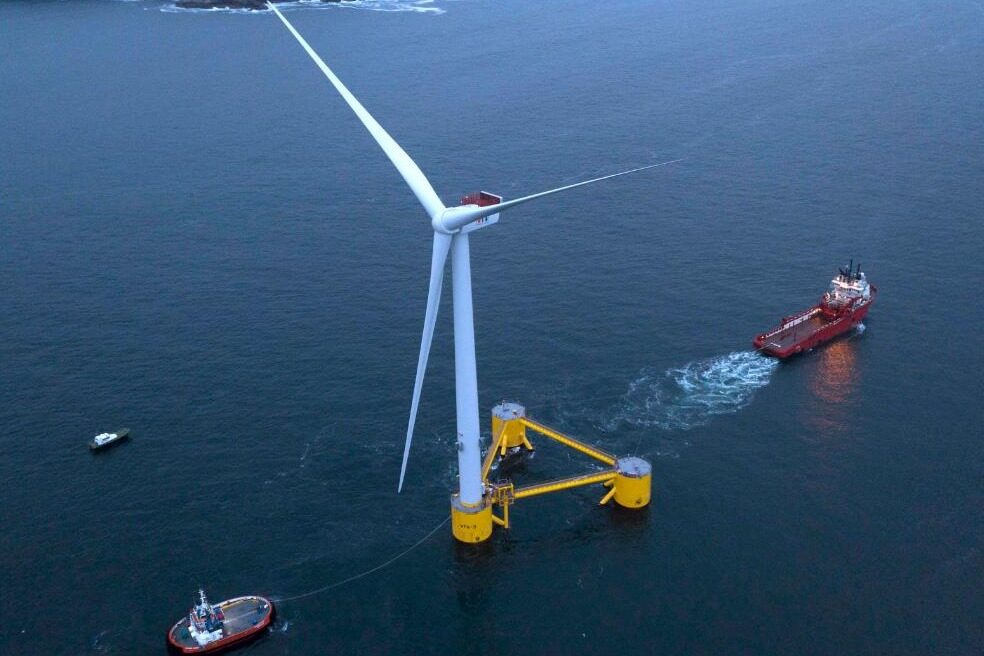
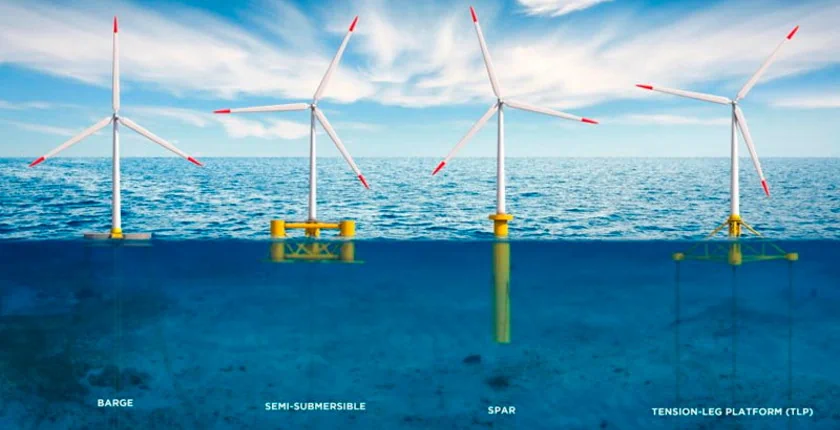
GWEC said floating wind farms are the solution for waters deeper than 60 meters in the world's coastal regions, estimating that they account for 80% of the overall potential for offshore wind deployment. In its list of 30 markets that can grow rapidly, there are 5 Balkan countries.
Offshore wind is a low-cost, safe source of energy for global decarbonization efforts, according to a new report released by the Global Wind Energy Council (GWEC). The document identifies the key role of floating offshore wind technology in reducing fossil fuel use and achieving climate neutrality by 2050. It pointed to Ireland, Italy, Morocco, the Philippines and the United States as the countries with the greatest potential.
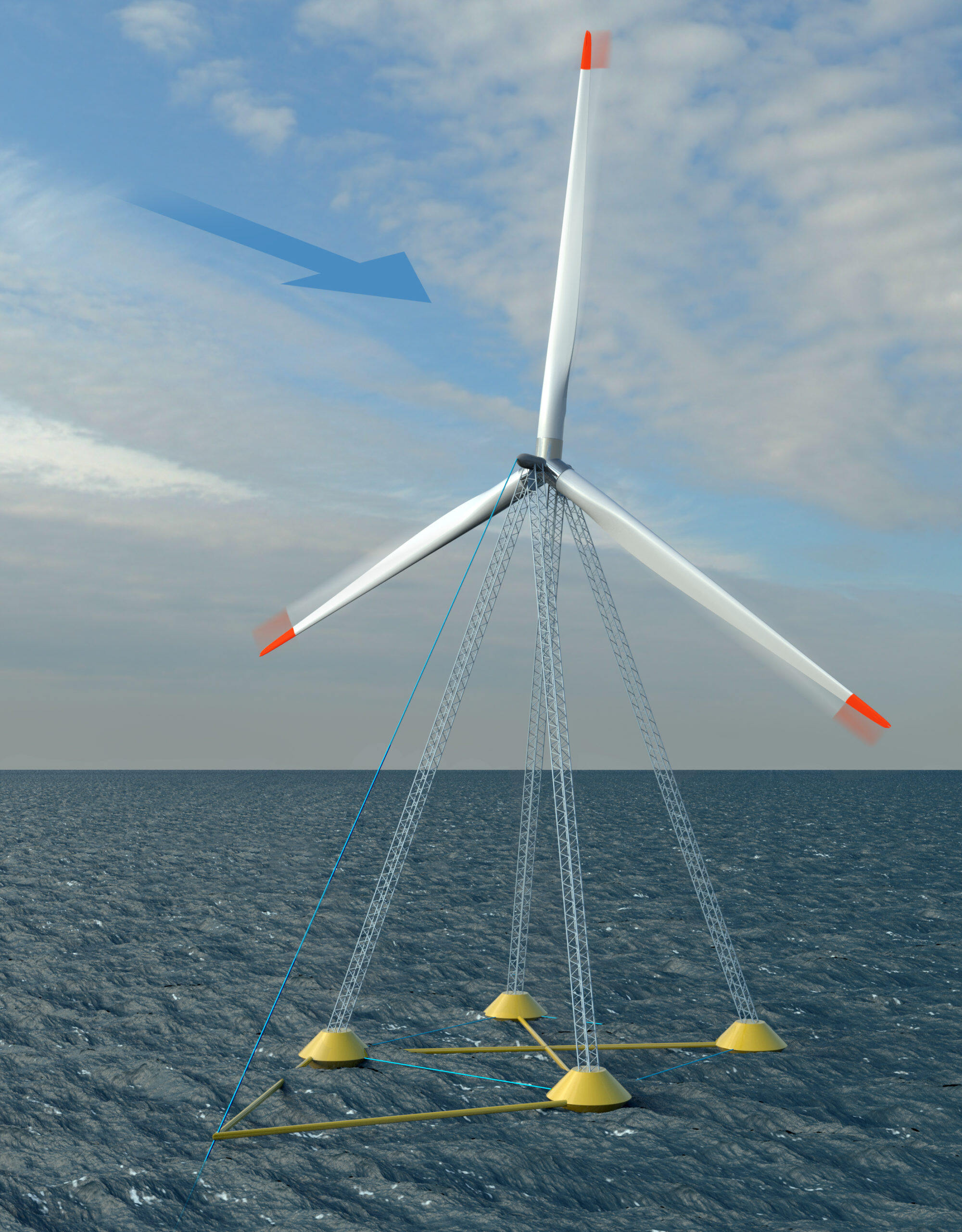
With 80 percent of the world's offshore wind resources located in waters up to 60 meters deep, traditional bottom-mounted offshore wind turbines are either not an option, or at best, a limited option in many coastal areas, the report said. chance said. It was commissioned by AegirInsights. Floating technology allows wind turbines to be positioned in the deep sea without a fixed foundation, reducing environmental impact and increasing efficiency. Investors are also counting on less opposition from local residents as the facilities are further from the coast.
Ireland and Italy are seen as Europe's largest emerging markets for floating wind, and the document says the most mature floating wind market is the UK - South Korea, France and Japan have the world's largest such facilities. GWEC stressed that if the right policies are in place, five emerging countries in the industry can catch up to them. Their combined technical potential for floating offshore wind is 3.86TW, equivalent to 2.6 times their current electricity demand (Italy) and a staggering 69 times (Ireland).
GWEC: Global offshore wind farm capacity needs to reach 2TW by 2050 to reduce net emissions to zero, the longer list contains 30 countries with the most potential, of which 5 are located in Southeastern Europe: Bulgaria, Turkey, Romania, Greece and Croatia. "While this decade has been focused on the rapid growth of fixed offshore wind, we also need to see political leadership so that floating offshore wind is ready to play its part," said Ben Backwell, the group's chief executive.
Italy has yet to commission its first offshore wind farm
The report adds that Italy's lack of land space and a lack of sites suitable for fixed bottom winds will drive attention to floating offshore wind. The best locations are around Sardinia and the Strait of Sicily. There is also great potential between Brindisi and the Strait of Otranto, which connects the Adriatic and Ionian Seas, and Calabria off the coast of Catanzaro, the Ionian Sea. Italy's ambitions for offshore wind are modest compared to number and size of projects under construction
Italy's goal is to increase its wind power capacity from the current 10.5 GW to 18.4 GW by 2030. Offshore wind is expected to be only 900 megawatts, but the National Wind Energy Association-ANEV is targeting just 5 gigawatts for floating offshore wind by 2040. The country's first fixed-bottom offshore wind farm should be connected to the grid this year. The project for a 30 MW facility near Taranto was launched in 2010. In October 2021, Italian transmission system operator Terna said it received 39 applications for grid connection from offshore wind projects.
Greece has potential to develop 30 GW of floating wind power
As for Greece, Energypress recently learned that the government has identified in studies the potential to develop 40 gigawatts of offshore wind in an area six miles from the coast, of which 30 gigawatts will be for floating installations. The media added that the first auction is planned to hold 2 GW. Other countries in the region still do not have operational offshore wind capacity. Oil and gas platforms in the Adriatic can be converted into wind turbines when fossil fuel reserves are exhausted. Keywords: engineering construction, engineering news
The largest fixed bottom offshore wind system is Hornsea1 in the UK with an installed capacity of 1.2 GW. Will be overtaken by Hornsea2 next year. The largest project under development in the world is called Sinan. The South Korean plant has a planned installed capacity of 8.2 GW. OX2 has just applied for a Natura2000 license for its 5.5 GW project called Aurora, which plans to build a site in Sweden's Baltic Exclusive Economic Zone, making it the second-largest pipeline globally.Editor/XingWentao
Comment






 Praise
 Collect
 Comment

 Share
Share


Write something~