 Search


- In 2025, the mileage of expressways will exceed 900 kilometers, and the operating mileage of rail transit will exceed 360 kilometers.
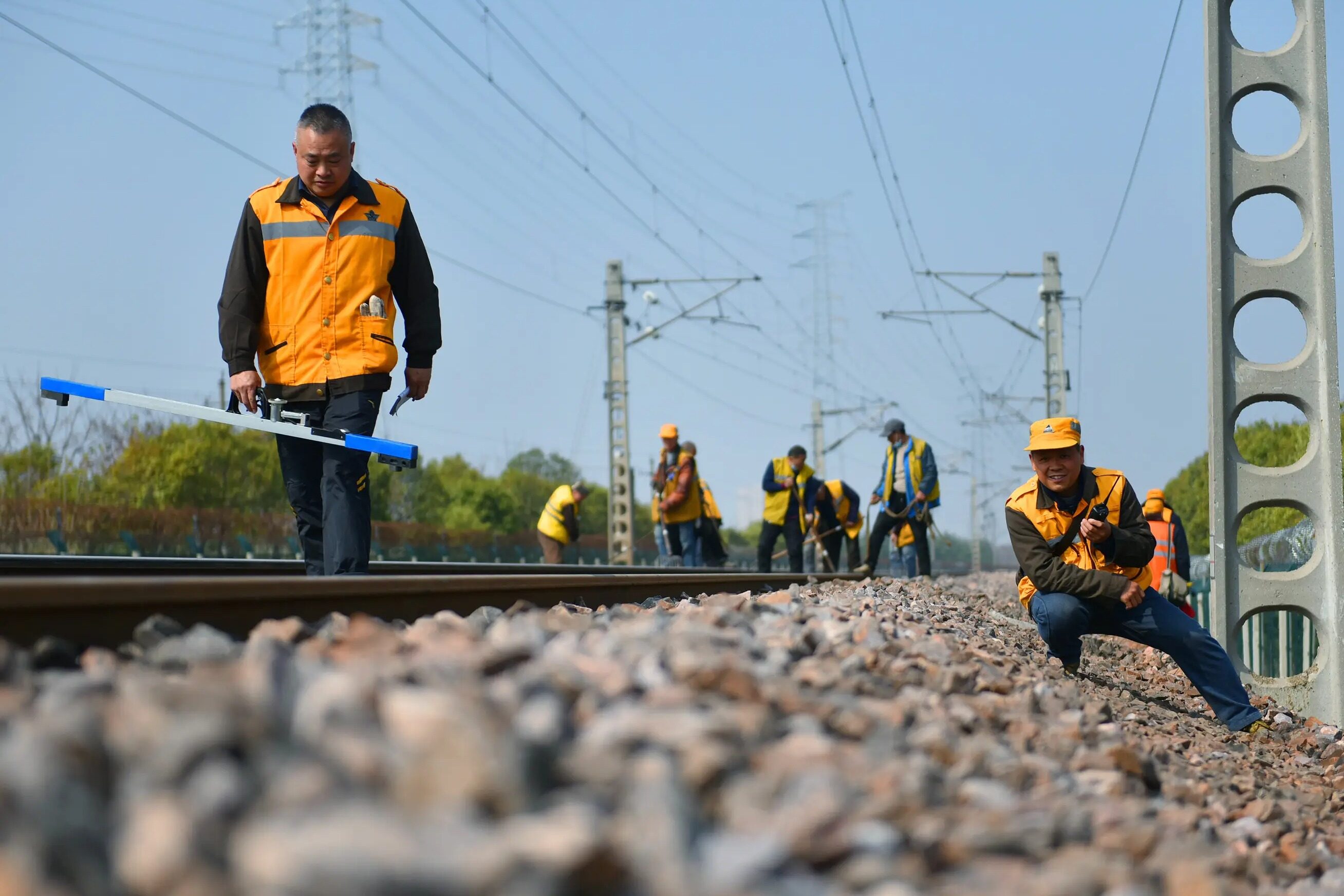
On May 15, 2022, the "Qingdao Comprehensive Three-dimensional Transportation Network Construction Action Plan" was officially released. The "Action Plan" takes the overall goal of accelerating the construction of an international comprehensive transportation hub, and proposes the construction of an international hub seaport, an international aviation hub, a "Jiaodong economic circle on the track", a road network covering a wide range of deep and accessible roads, an intensive and complex comprehensive transportation hub, Promote the sustainable development of the comprehensive three-dimensional transportation network and promote the integrated development of the comprehensive three-dimensional transportation network, and comprehensively improve the level of regional development.
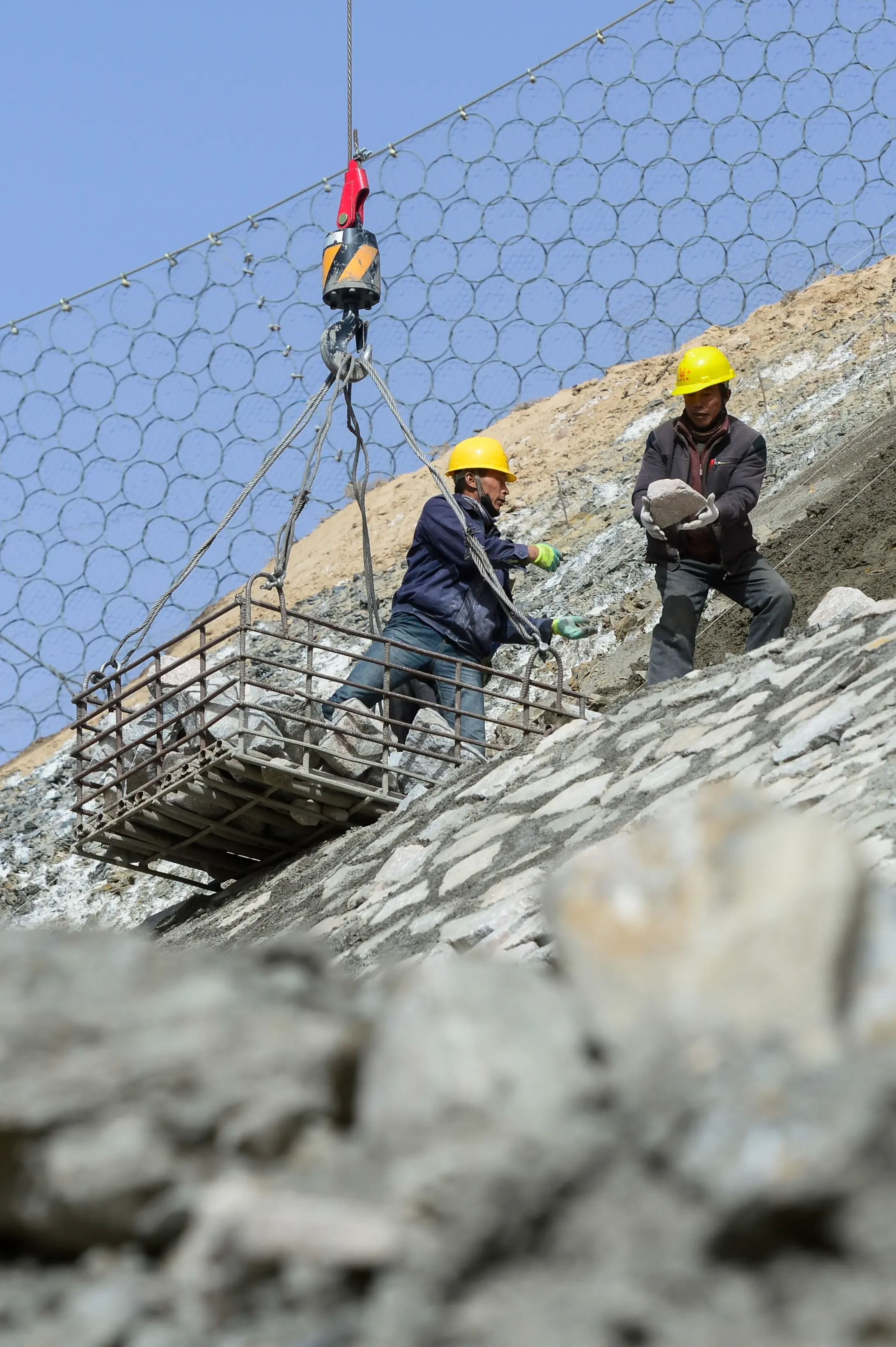
According to the action plan, by 2025, Qingdao will initially build a modern and high-quality comprehensive three-dimensional transportation network with sufficient capacity, extensive coverage, reasonable structure and efficient connection. Qingdao Port will achieve a cargo throughput of 670 million tons and Jiaodong International Airport passenger throughput will reach 4100 10,000 person-times, the mileage of expressways has exceeded 900 kilometers, the operating mileage of railways has exceeded 700 kilometers, and the operating mileage of rail transit has exceeded 360 kilometers. Basically, 40-minute commuting between the main urban area and various districts (cities) in the city, 1.5-hour access to the Jiaodong Economic Circle, and domestic major 3-hour coverage of aviation hub cities. By 2030, a modern and high-quality comprehensive three-dimensional transportation network will be basically built that integrates into the Beijing-Tianjin-Hebei region in the north, connects the Yangtze River Delta in the south, radiates along the Yellow River Basin in the west, and exits the economic circle of Japan and South Korea in the east, with more adequate capacity, wider coverage and more reasonable structure. , the connection is more efficient. Editor / Xu Shengpeng
Comment

 Praise
 Collect
 Comment

 Share
Share


Write something~