 Search


- The media pointed out: Europe's plan to phase out coal power is on hold indefinitely, which may end Europe's emission reduction efforts
- Because of the energy crisis, some European countries announced the restart of coal-fired power units, and the country entered an energy emergency
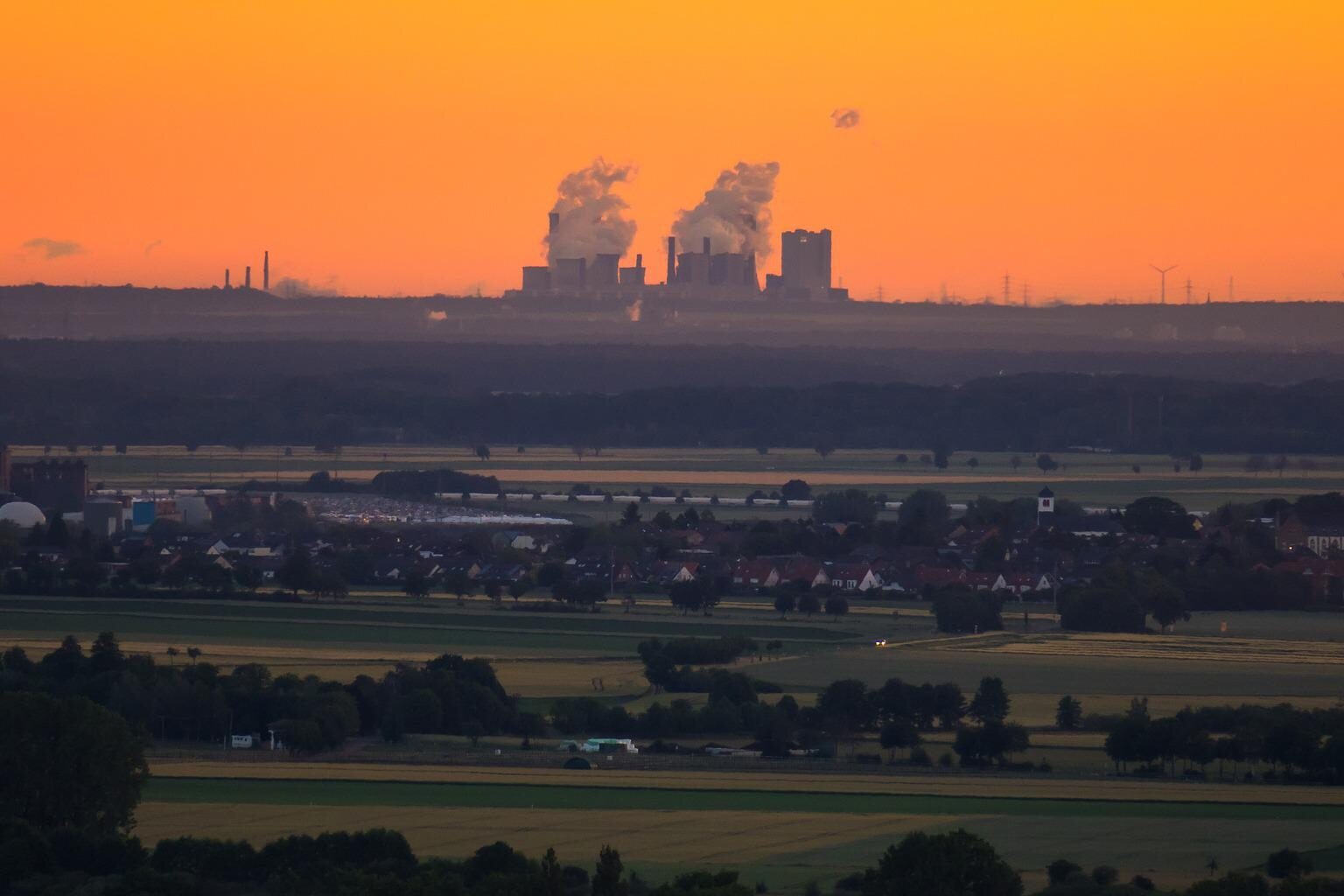
Recently, due to the energy crisis caused by the shortage of natural gas, many European countries have announced the restart of coal-fired power generation units or declared a state of energy emergency. The governments of Germany, Italy, Austria and the Netherlands have all said coal-fired power could help Europe through a crisis. The crisis has sent gas prices soaring and made it harder for governments to fight inflation. As a pioneer region in the global energy green transition, the energy transition process of some major European economies has been "brake" from an objective level, and their overall development pace has been forced to slow down.
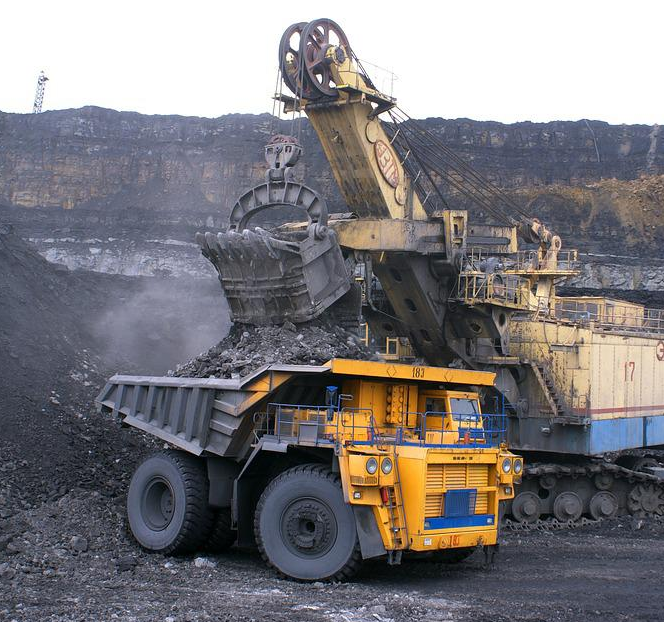
According to Morningbrew, countries in Europe are being "forced" to restart coal power. Another foreign media pointed out that Europe's plan to phase out coal power has been put on hold indefinitely. Germany is restarting decommissioned coal power as gas supplies from Gazprom dwindle, while Italy is on the verge of declaring an energy emergency.
Both countries are developing plans to limit gas supplies to the industry and install liquefied natural gas (LNG) terminals. Italy also wants Algeria to boost gas supplies. Coal power plants in Italy have increased fuel reserves, compounded by a severe drought in the country that has limited hydropower output, according to Reuters. European government policymakers are formulating response plans to ensure people's livelihood and economic energy consumption in the next winter.
Although Germany has planned to completely stop using fossil fuels by 2030, the outbreak of the Russian-Ukrainian war has clearly disrupted the established course. Ironically, German Deputy Chancellor and Minister of Economy and Climate Protection Robert Habeck, a senior member of the Green Party, announced that the government was bringing decommissioned coal plants back into operation, citing the risk of political passivity due to insufficient energy inventories this winter, Replenishing natural gas reserves is an "immediate priority". The EU plans to raise gas inventories to at least 90% by early December 2022. Germany has pledged to finance this goal, which would require 15 billion euros at current energy prices.
Austria's last coal power plant is resuming operations. The Austrian government asked state-owned energy company Verbund to restart the Mellach coal-fired power plant. Two years ago, the plant was converted to a reserve facility, a move that had been billed as a sign of the country's end to coal use.
The U.K. has delayed most of the coal power capacity it had planned to close in 2022. The Dutch government announced on June 21, 2022 that it will remove the capacity cap for coal power plants and will launch the first phase of its energy crisis plan. The recent price of Dutch gas, the European benchmark, is around 124 euros ($130) per megawatt-hour, down from a peak of 335 euros in 2022, but still more than 300 percent above levels a year ago. Denmark has also launched the first step of a gas emergency plan.
A U-turn in energy policy in major European economies could derail plans to phase out coal globally. Before the Russian-Ukrainian war broke out, the International Energy Agency (IEA) had predicted that global coal demand would reach a record level in 2022. Balkan Green Energy News points out that the European Union and the Energy Community have been pressuring Western Balkan governments for years to develop plans to phase out coal. Such U-turns, especially in Germany, could end efforts to cut emissions in southeastern Europe, and possibly the world.Editor/XuNing
Comment

 Praise
 Collect
 Comment

 Share
Share


Write something~