 Search


- 11 high-speed railway system-level standards, filling the gap of international standards in key areas of high-speed railway
- In the construction of Jakarta-Bandung high-speed railway in Indonesia, a series of Chinese high-speed railway technical standards have been successfully applied
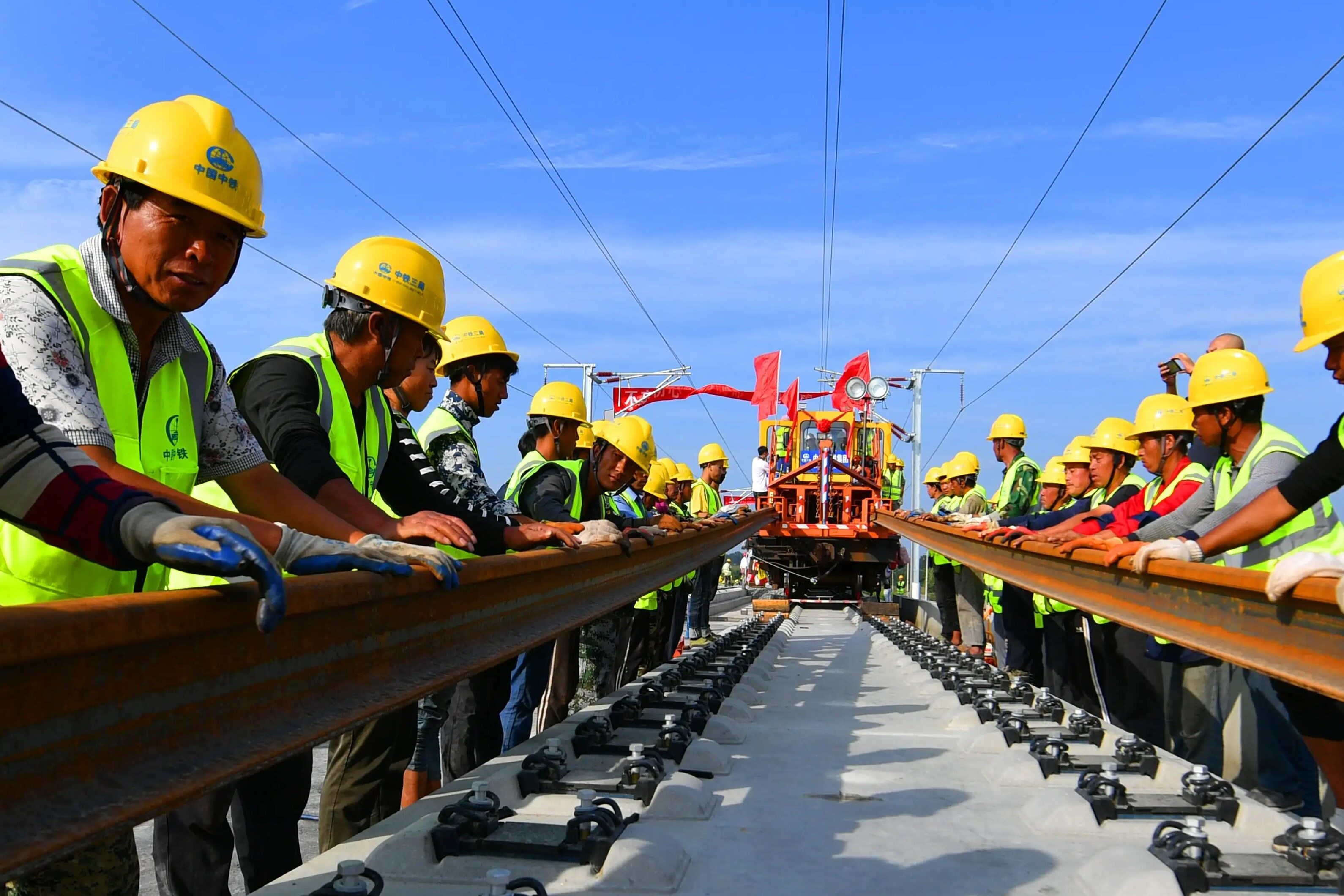
A few days ago, the International Union of Railways (UIC) issued and implemented the "High-speed Railway Design Infrastructure" standard and the "High-speed Railway Design Power Supply" standard formulated by China, both of which are the first international railway standards in related fields.
The International Union of Railways is the most influential professional international standards organization in the railway industry. The two standards released this time were presided over by experts organized by China National Railway Group Co., Ltd., and more than 20 experts from more than ten countries including France, Germany, Japan, Spain, Italy, etc. participated, and it took 4 years to compile them.
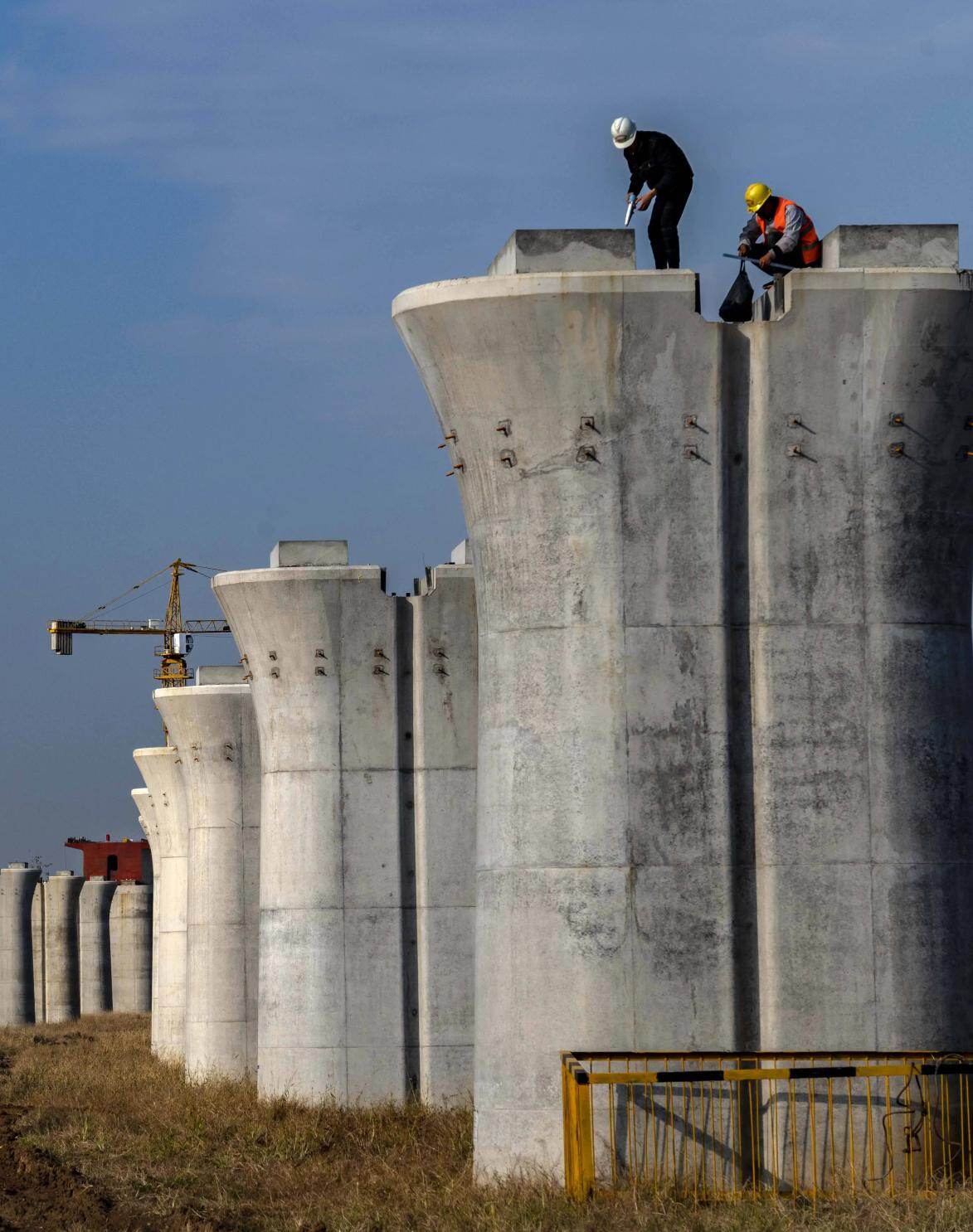
On the basis of summarizing the successful experience of high-speed railway design in the world and the advanced technology of system integration, the two "standards" introduce the overall design concept of China's high-speed railway, and absorb the train load pattern, line spacing, subgrade packing classification, and tunnel surrounding rock classification of China's high-speed railway. and other basic key indicators, promoted China's CRTSIII slab ballastless track and EMU repair, catenary system and other advantageous technologies, and finally established the overall design of the International Union of Railways high-speed railway, lines, subgrades, bridges, tunnels, tracks, stations, EMUs use the design concepts, key parameters and technical requirements in the fields of maintenance facilities, maintenance facilities, comprehensive protection, environmental protection, traction power supply and transformation, catenary, power supply and distribution, and telecontrol systems to contribute to the construction and operation of high-speed railways in the world Chinese wisdom and Chinese solutions.
Huo Baoshi, chairman of the International Union of Railways High-speed Committee, said: "International standards are an important technical basis for international trade, and also an important part of promoting the soft connectivity of the Belt and Road system and rules. Fully relying on the international standardization platform, he presided over and participated in the formulation and revision of important railway technical standards. It enhances the international influence of China's railway standards."
China's 11 system-level standards for high-speed rail fill the international gap
By the end of 2021, the operating mileage of China's high-speed rail has exceeded 40,000 kilometers, accounting for more than two-thirds of the total mileage of high-speed rail in the world. In recent years, China National Railway Group has made great efforts to promote international standardization. China's high-speed railway is moving from building a national business card to leading international standards.
In November 2021, the International Union of Railways released the "High-speed Railway Design Communication Signal" standard formulated by China. The "Infrastructure" and "Power Supply" standards released this time are the second and third international standards in the "High-speed Railway Design" series. . In recent years, experts from China National Railway Group have presided over and participated in the formulation and revision of more than 60 important technical standards in the fields of high-speed railway, train network, braking system, etc. of the International Union of Railways. 11 high-speed railway system-level standards, including the series, fill the gaps in international standards in key areas such as high-speed railway implementation and design. It comprehensively and systematically incorporates the successful experience, main innovation achievements and advantageous technologies of China's high-speed railway from design concepts, technical equipment, key parameters to maintenance and repair, and is compatible with the relevant technologies and needs of high-speed railways in other countries.
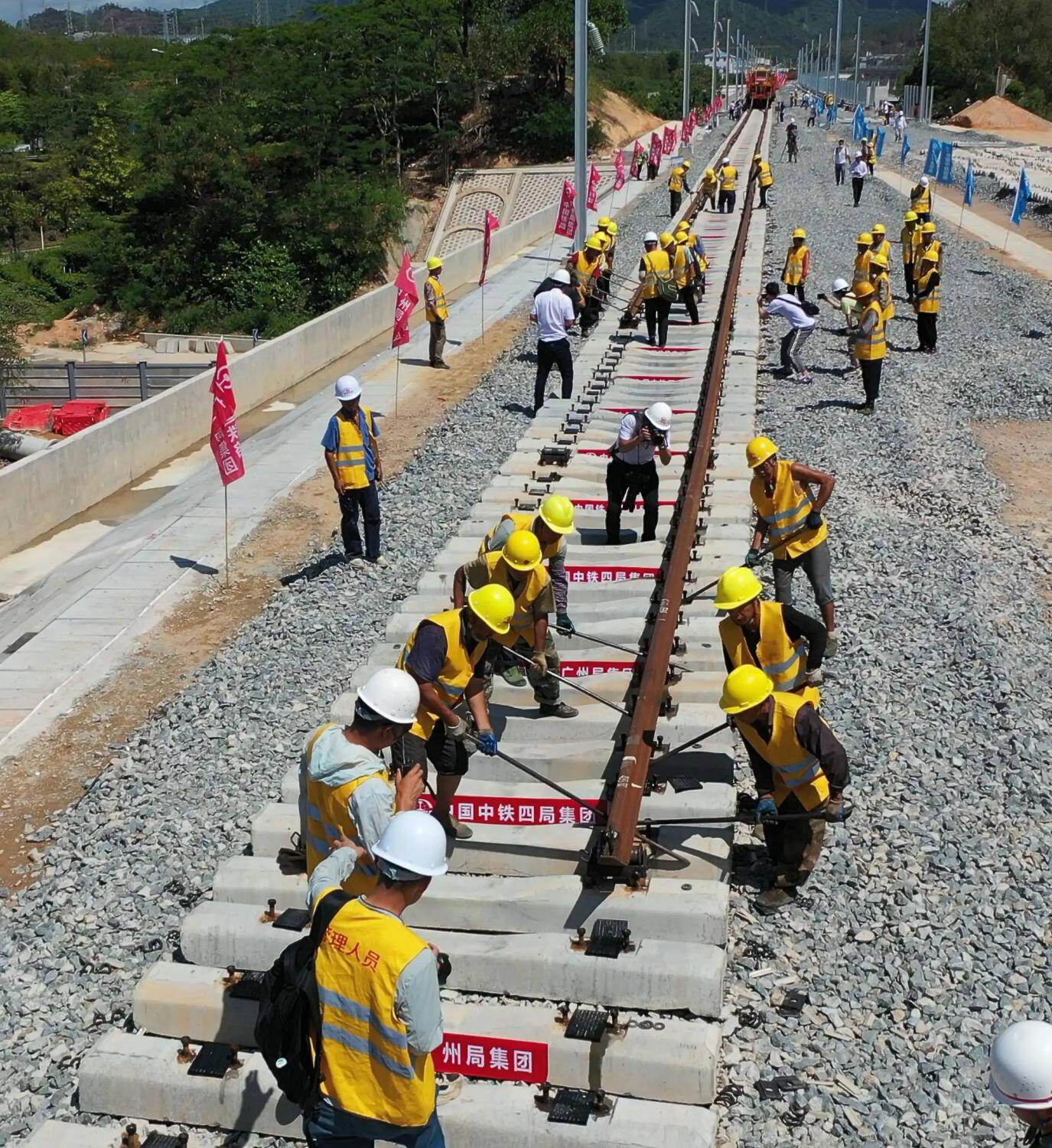
Huo Baoshi said: "Incorporating China's advantageous technologies and key parameters into international standards provides standard support and creates favorable conditions for the promotion of China's railway technology and the realization of the 'going global' of China's entire railway system, all factors, and the entire industrial chain. ."
Adopting "Chinese Standard" Jakarta-Bandung high-speed railway enters the track laying stage
The Jakarta-Bandung high-speed railway has entered the track laying stage for the first time that China's high-speed railway has implemented a whole system, all elements, and a whole industrial chain overseas. As the first high-speed railway in Southeast Asia with a speed of 350 kilometers per hour, what "Chinese standards" does it have?
The first station after departing from Jakarta is Halim Station of the Jakarta-Bandung High Speed Rail. It can be seen that ballastless tracks have been laid for 30 kilometers near the station. This kind of ballastless track is the CRTS III slab ballastless track which is independently developed by China and has independent intellectual property rights.
The CTCS-3 train control system, one of the three core technologies of China's high-speed railway, adopted by the Jakarta-Bandung high-speed railway is independently developed and produced by CRSC. It is the "brain and central nervous system" of the high-speed railway. Through the wireless communication network and the ground wireless blocking center, Realize vehicle-ground two-way information transmission, adopt continuous speed control mode, and the system satisfies two-line two-way operation.
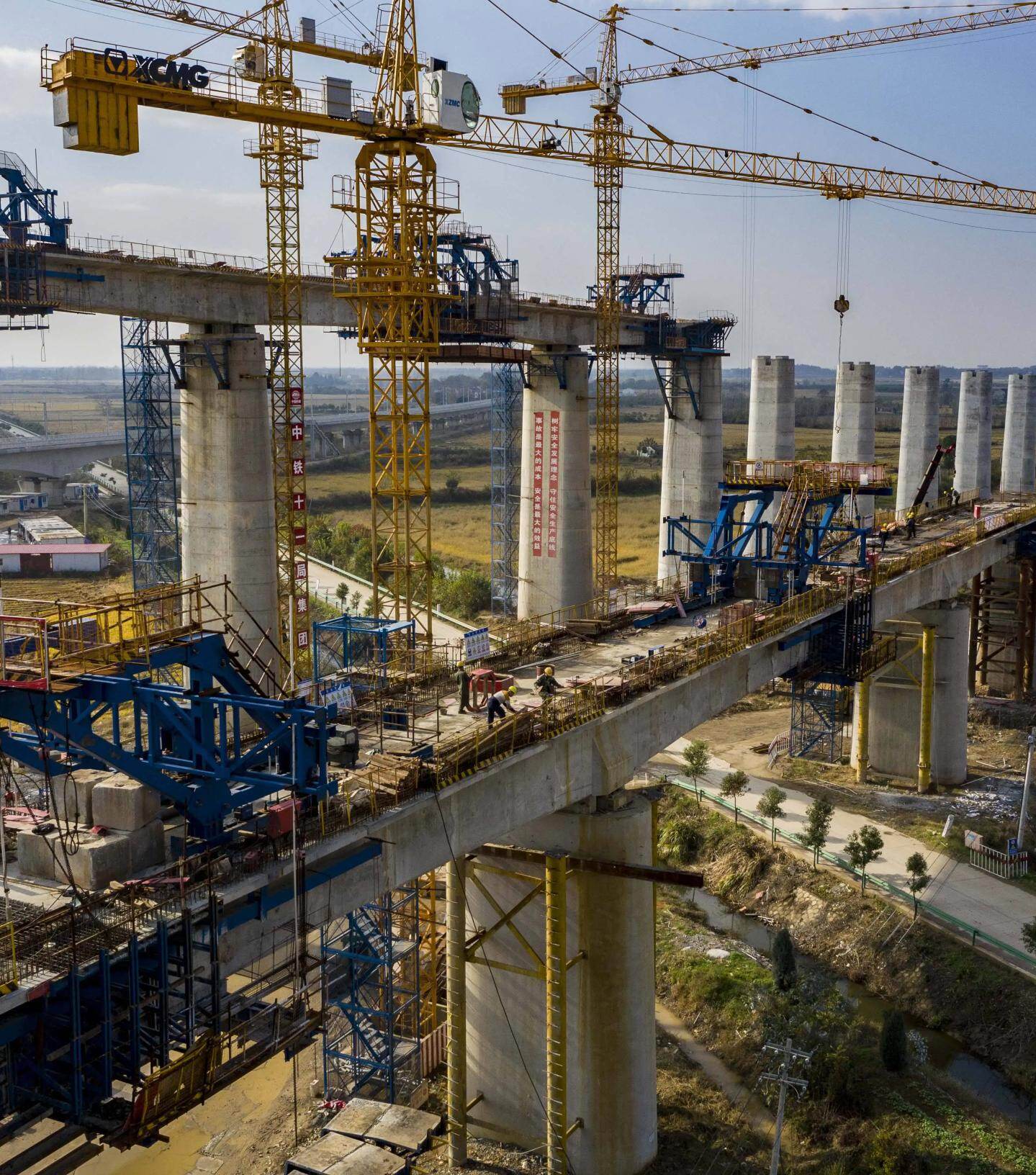
Xiao Songxin, Engineering Director of Indonesia China High Speed Railway Corporation (KCIC), said: "In the construction of Jakarta-Bandung high-speed railway in Indonesia, a series of Chinese high-speed railway technical standards such as engineering design and construction equipment have been successfully applied, which has provided technical support for the smooth progress of the project. Consolidate China's leading position in the world of high-speed rail."
The Jakarta-Bandung high-speed railway has a total length of 142.3 kilometers, connecting the Indonesian capital Jakarta and the fourth largest city Bandung, with a maximum design speed of 350 kilometers per hour. After completion, the travel time between Jakarta and Bandung will be shortened from the current three hours to 40 minutes.
China Standard Railway injects new impetus into the development along the line
In recent years, railways designed and built according to Chinese standards have been continuously extended in Asian, African and European countries, bringing new impetus to the economic and social development of the countries along the route.
In March 2022, the first project connecting China's railway technical equipment and EU railway interconnection technical specifications - the Belgrade to Novi Sad section of the Hungary-Serbia Railway in Serbia was put into operation. The express trains between the big cities of Novi Sad are directly connected. The maximum operating speed of the trains has been increased from the original maximum of 50 kilometers per hour to 200 kilometers per hour, and the operating time has been reduced from 90 minutes to 30 minutes, greatly improving the quality and efficiency of transportation.
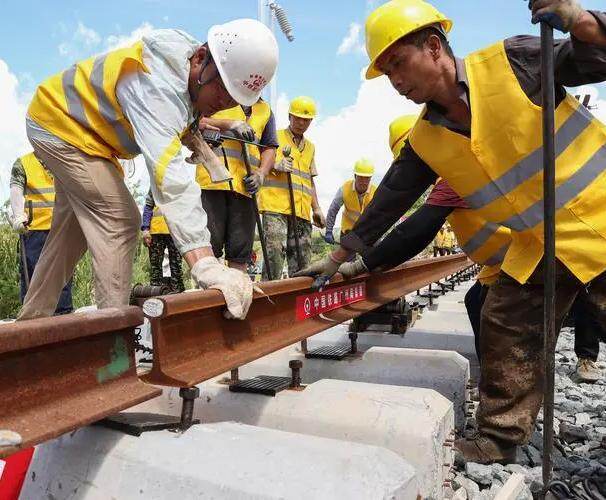
The China-Laos Railway connecting Kunming, Yunnan, China and Vientiane, Laos, is a cross-border railway designed according to the China Railway Class I standard, mainly invested and constructed by the Chinese side, jointly operated by the two countries, and directly connected to the Chinese railway network. Seven months after the opening and operation, the Vientiane South Station has been refurbished, and the China-Laos-Thailand Railway has been interconnected. The transportation time from Kunming, China to Laem Chabang Port in Thailand is shortened by about 1 day and transportation costs are reduced by 20%. The above will provide reliable transport capacity support for the construction of the China-Laos Economic Corridor and the China-ASEAN Community of Shared Future. Editor / Xu Shengpeng
Comment


 Praise
 Collect
 Comment

 Share
Share


Write something~