 Search


- Global offshore wind capacity is expected to reach 316GW by 2030
- Under the background of the global energy crisis, countries have accelerated the pace of new energy transformation, and the construction of offshore wind power is also accelerating
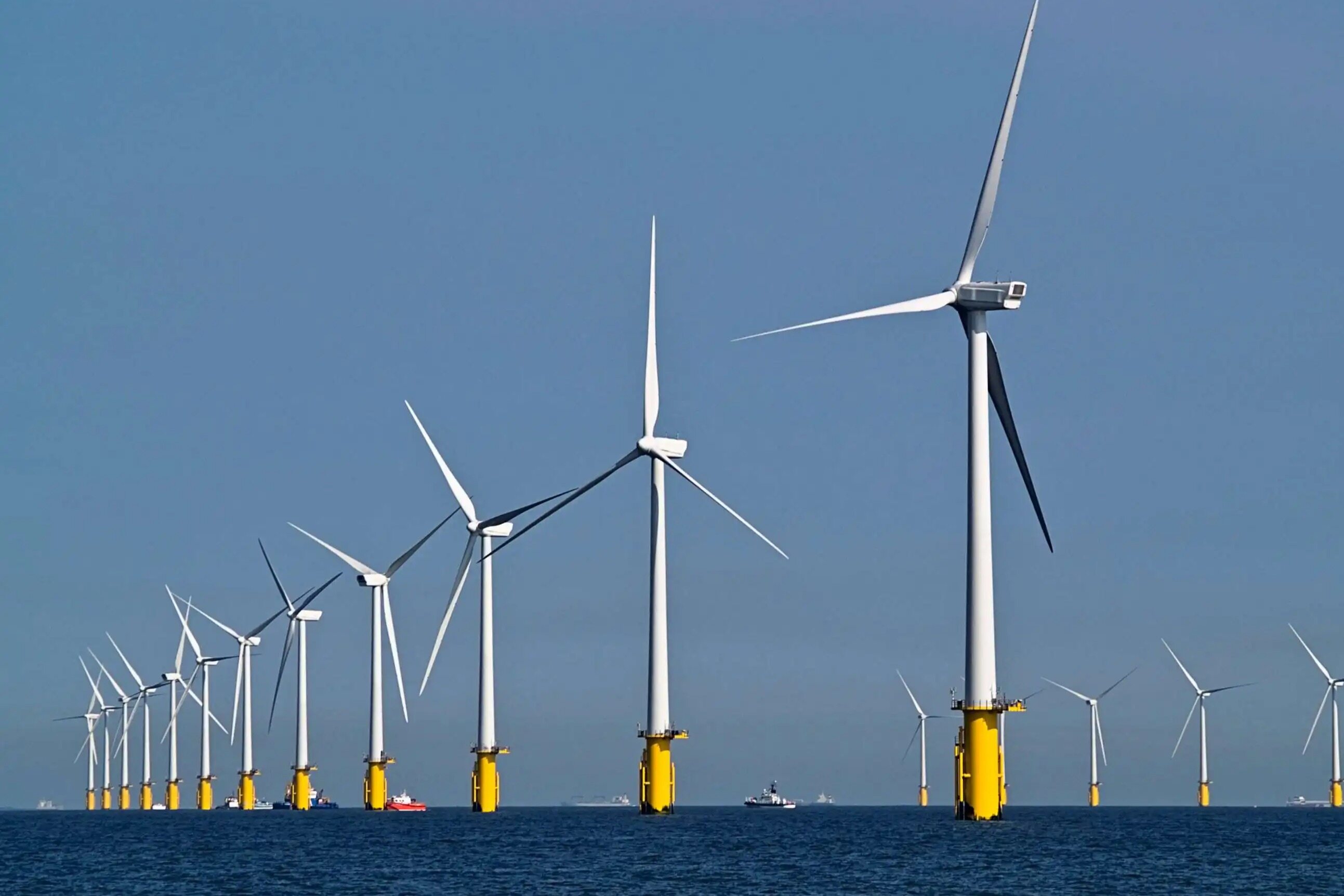
Countries around the world are seeking to transition to cleaner energy sources in order to achieve carbon neutrality goals. In this process, offshore wind power is one of the new energy sources with high hopes. More and more countries have begun to pay attention to offshore wind power, and the offshore wind power industry is ushering in a new era of large-scale and rapid development.
According to the International Energy Agency, the world's offshore wind energy resources could meet 11 times the global electricity demand by 2040, and harnessing this energy is a critical path to achieving the global goal of net-zero carbon emissions by 2050.
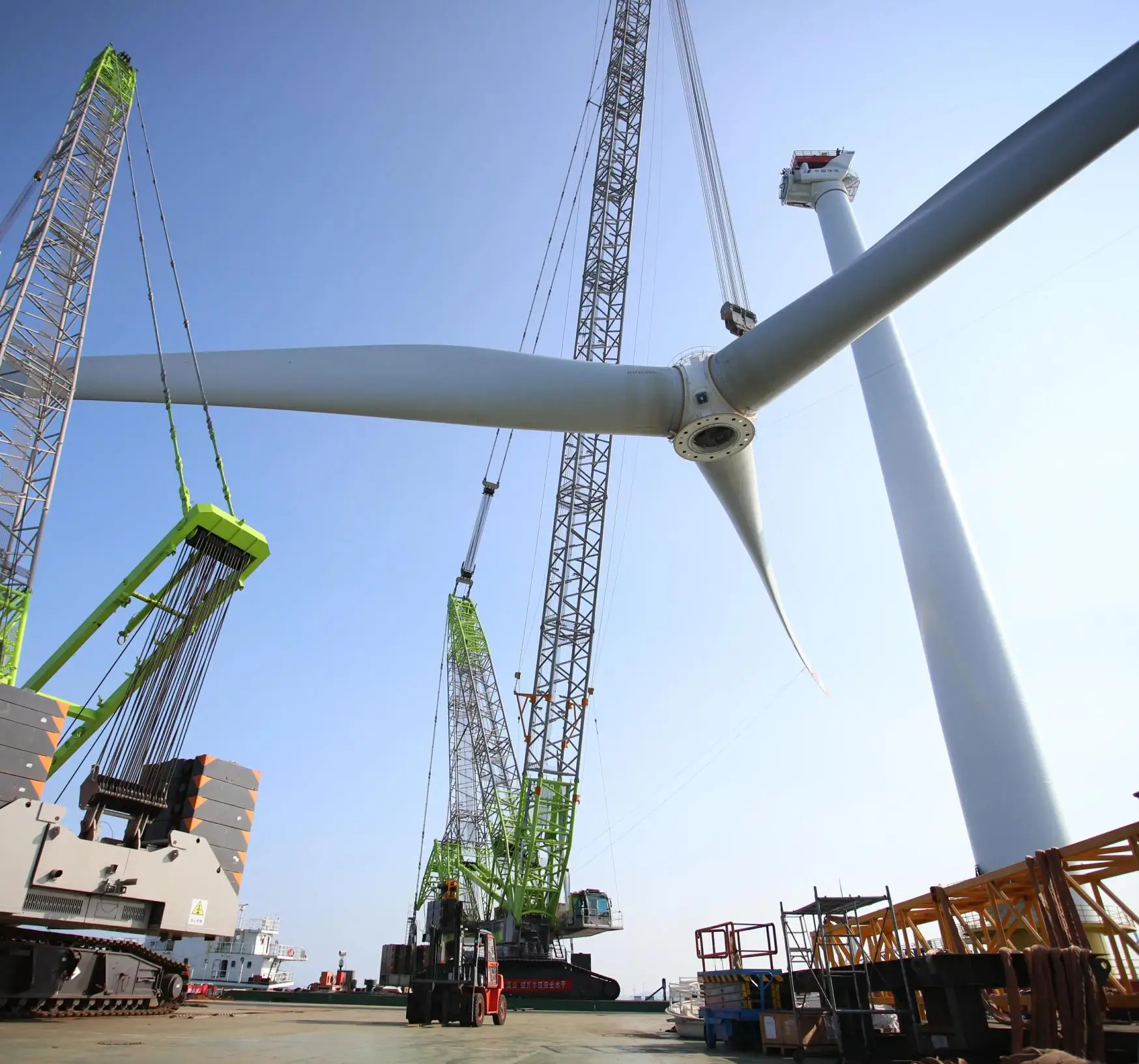
In 2021, the offshore wind industry has experienced a record-breaking year. On June 29, the Global Wind Energy Council (GWEC) released the latest "Global Offshore Wind Energy Report". The report predicts that 260GW of offshore wind power installed capacity may be added from 2022 to 2030. By 2030, the global offshore wind power installed capacity will reach 316GW.
Governments around the world are beginning to realize that offshore wind power can not only bring safe, accessible and clean energy, but also foster emerging industries and create jobs. Therefore, many countries are accelerating the deployment of offshore wind power projects and setting ambitious goals.
In this strong global offshore wind investment leap forward, there are also some new trends in the offshore wind industry.
Great leap forward in global offshore wind power
Under the background of the Russian-Ukrainian war and the global energy crisis, countries have accelerated the pace of new energy transformation, and the construction of offshore wind power is also accelerating.
The U.S. Department of Energy (DOE) announced in 2021 that 30GW of offshore wind turbines will be deployed by 2030. Based on current project progress, the U.S. offshore wind sector expects to install about 60 GW of offshore wind capacity by 2035.
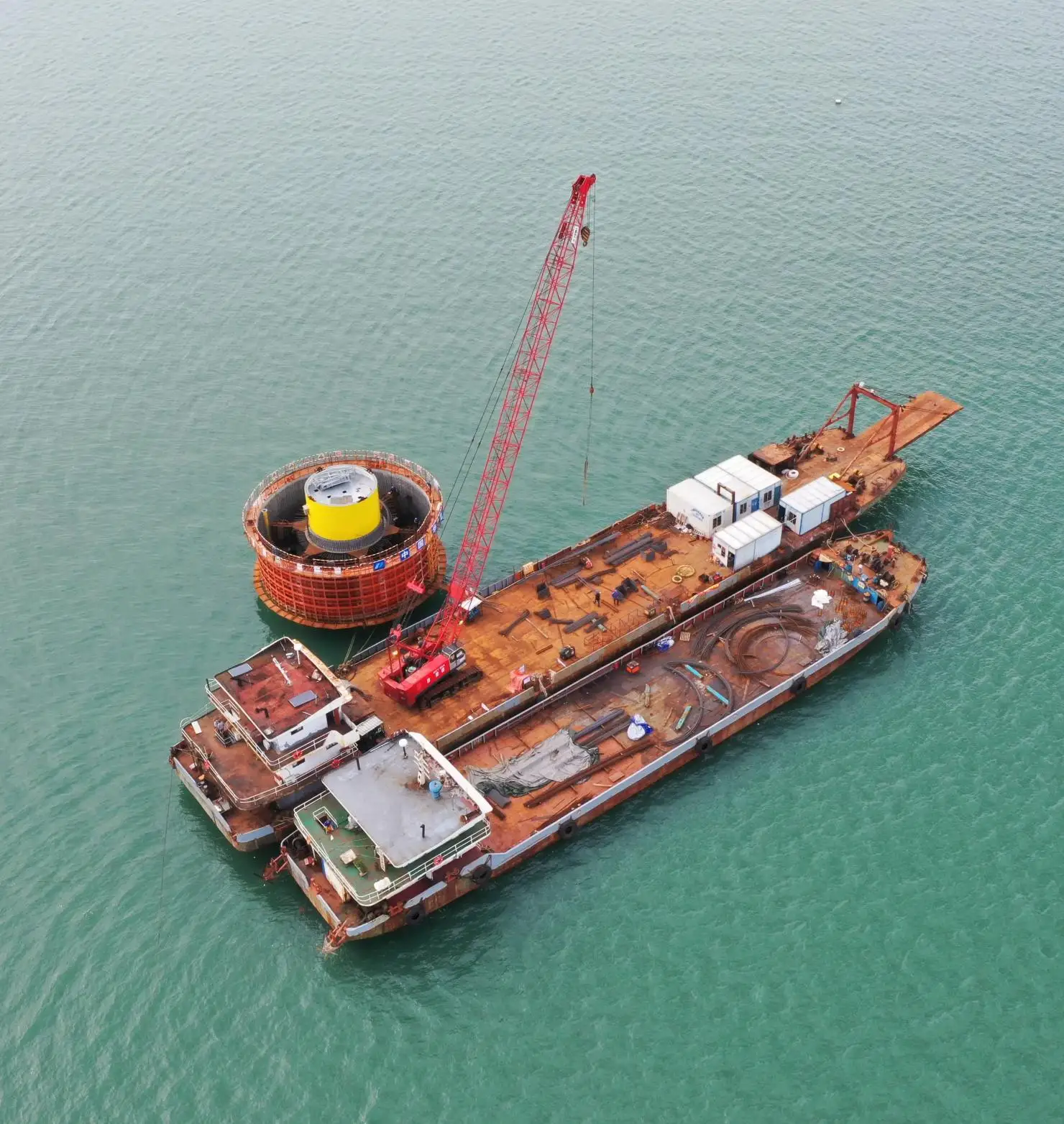
Affected by its geographical location, Japan has limited natural resources, and the development of renewable energy such as photovoltaics and onshore wind power is very limited, and nuclear power has slowed down due to the Fukushima accident. In order to achieve decarbonization by 2050, the Japanese government has proposed a policy of using renewable energy as the main power source, and wants to introduce offshore wind power generation as a trump card as soon as possible.
In 2020, the Japan Wind Energy Association JWPA stated that all parties have reached a consensus on the long-term goal of Japan's offshore wind power: the country plans to complete 10GW of offshore wind power installed capacity in 2030 and 30-45GW in 2040. Europe, the traditional region of offshore wind power, has been affected by the Russian-Ukrainian war and the energy crisis has intensified, which has accelerated the pace of offshore wind power development. The main countries with installed offshore wind power in Europe are the United Kingdom, Germany, the Netherlands, Denmark, and Belgium.
In 2021, the UK will add 2.32GW of offshore wind power, Denmark will add 0.61GW of offshore wind power, and the Netherlands will add 0.39GW of offshore wind power.
According to the EU climate policy goals, the total installed offshore wind power capacity will increase from the current 25 million kilowatts to 110 million kilowatts by 2030, and the total installed offshore wind power in Europe will increase by more than 25 times on the current basis by 2050.
Recently, European countries have raised their targets for offshore wind power installations. The UK released the "Energy Security Strategy" in April 2022, and the target of the UK's offshore wind power installed capacity in 2030 has been increased from the previous 40GW to 50GW. In the same month, Germany released the "Easter Package", with offshore wind power reaching at least 30GW by 2030, 40GW by 2035, and 70GW by 2045, much higher than the previous target guidance.
In May 2022, Germany, Denmark, the Netherlands, and Belgium promised at the "North Sea Offshore Wind Power Summit" that the installed capacity of offshore wind power in the four countries will reach 65GW by the end of 2030; times.
Under the goal of "3060 dual-carbon transformation", China's offshore wind power development is also very rapid. By the end of 2021, the cumulative installed capacity of China's offshore wind power has surpassed that of the United Kingdom, ranking first in the world. In 2021, China's new grid-connected installed capacity of wind power is 47.57GW, of which the newly-added offshore wind power grid-connected installed capacity is divided into 16.90GW, a year-on-year increase of 452.29%; 60GW, 70GW.
Four new trends in offshore wind power
Offshore wind power is very different from onshore wind power, and it is difficult to develop, but it also has the characteristics of abundant resources, high utilization hours of power generation, no land occupation, no water consumption, and suitable for large-scale development.
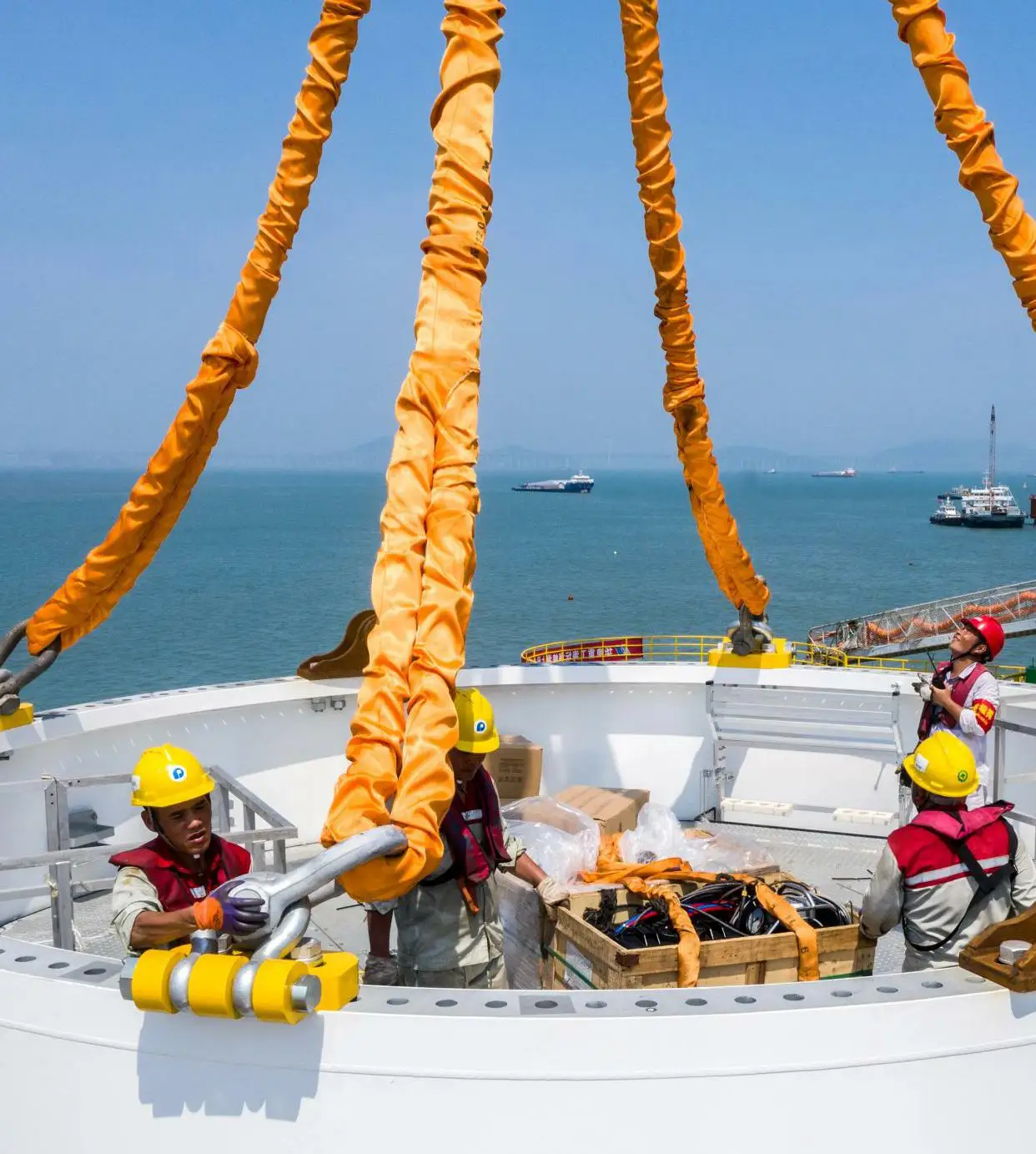
In recent years, some European and American countries have shifted the focus of wind power development to offshore. Many large-scale wind power development companies and equipment manufacturers are actively exploring the development of offshore wind power. At the same time, the international development of offshore wind power shows the following trends:
Power increase. At present, the average installed capacity of new offshore wind power in Europe has increased from 7.2MW in 2019 to 8.2MW in 2020. With the increase in demand, the capacity of wind turbines has become larger and larger. According to the forecast of the Global Wind Energy Association, in the next five years, offshore wind turbine blades with a length of 185-220 meters will become the mainstream of the industry. Under the trend of large-scale, the blade accelerates to switch to a large blade.
In 2020, the SG14DD offshore wind turbine impeller released by Siemens Gamesa has a diameter of 222 meters, and the higher-efficiency 15MW wind turbine will be officially commercialized in 2024. In February 2021, Vestas released the V236-15MW offshore wind turbine model, which is expected to be mass-produced in 2024. In October 2021, GE Renewable Energy said it had begun operating a prototype 14-megawatt offshore wind turbine in waters near Rotterdam, the Netherlands, that is nearly three times the height of the Statue of Liberty and its base combined.
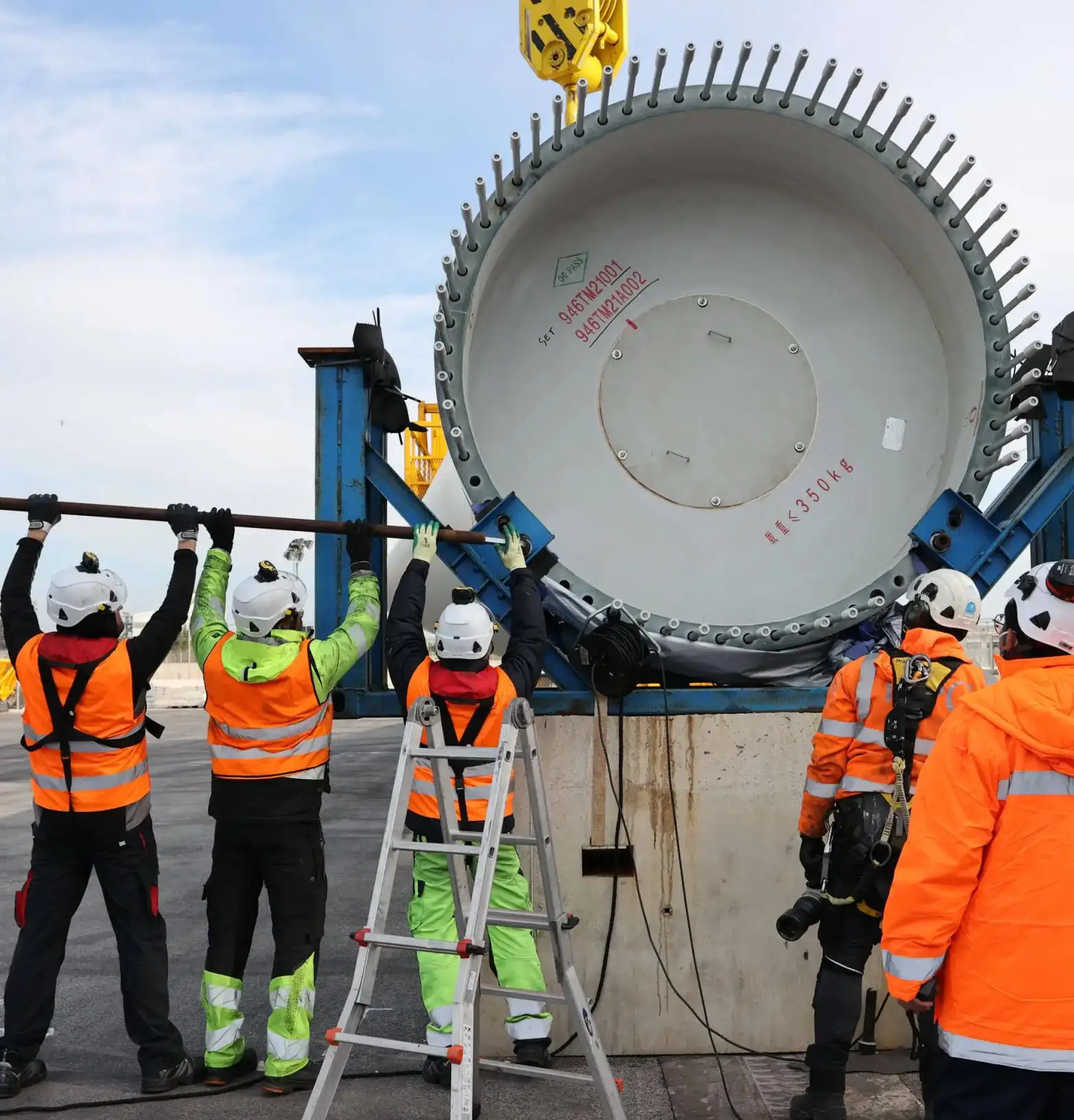
Offshore wind is stronger, and larger wind turbines mean more power generation, higher efficiency, and cheaper electricity for consumers. A study by the National Renewable Energy Laboratory showed that a wind farm hypothetically using 20 MW offshore wind turbines could save 24% per unit of electricity compared to a wind farm using 6 MW turbines.
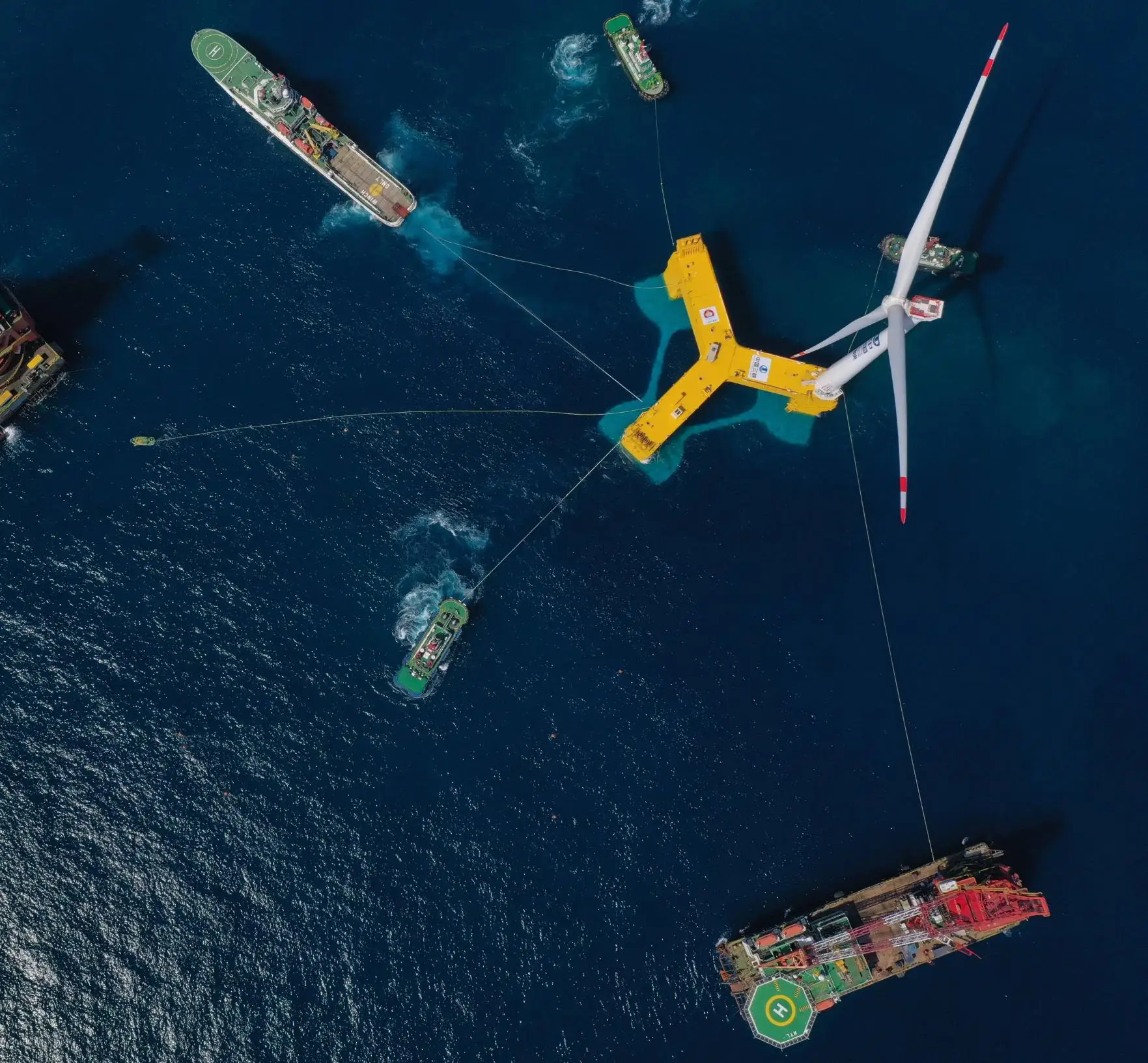
Go to the deep sea and turn to floating wind power. With the gradual development of offshore resources, offshore wind power projects continue to develop far to the sea, and the offshore distance of new projects is also increasing. From the perspective of the world's offshore wind power construction and planning, far-reaching seas with an offshore distance of more than 100km and a water depth of more than 50m have more abundant wind energy resources. The European offshore wind power technology powerhouses represented by Germany and the United Kingdom have taken the lead in deploying deep-sea wind power. According to the data of Qianyao Technology, the average water depth of offshore wind farms under construction in Europe in 2020 is 36 meters, which is 2 meters more than the average water depth in 2019. MorayEast, currently under construction in the UK, has an average water depth of 45 meters.
A phenomenon closely related to deep oceanization is that floating wind power systems are on the cusp of transitioning from pilot projects to commercial-scale wind farms.
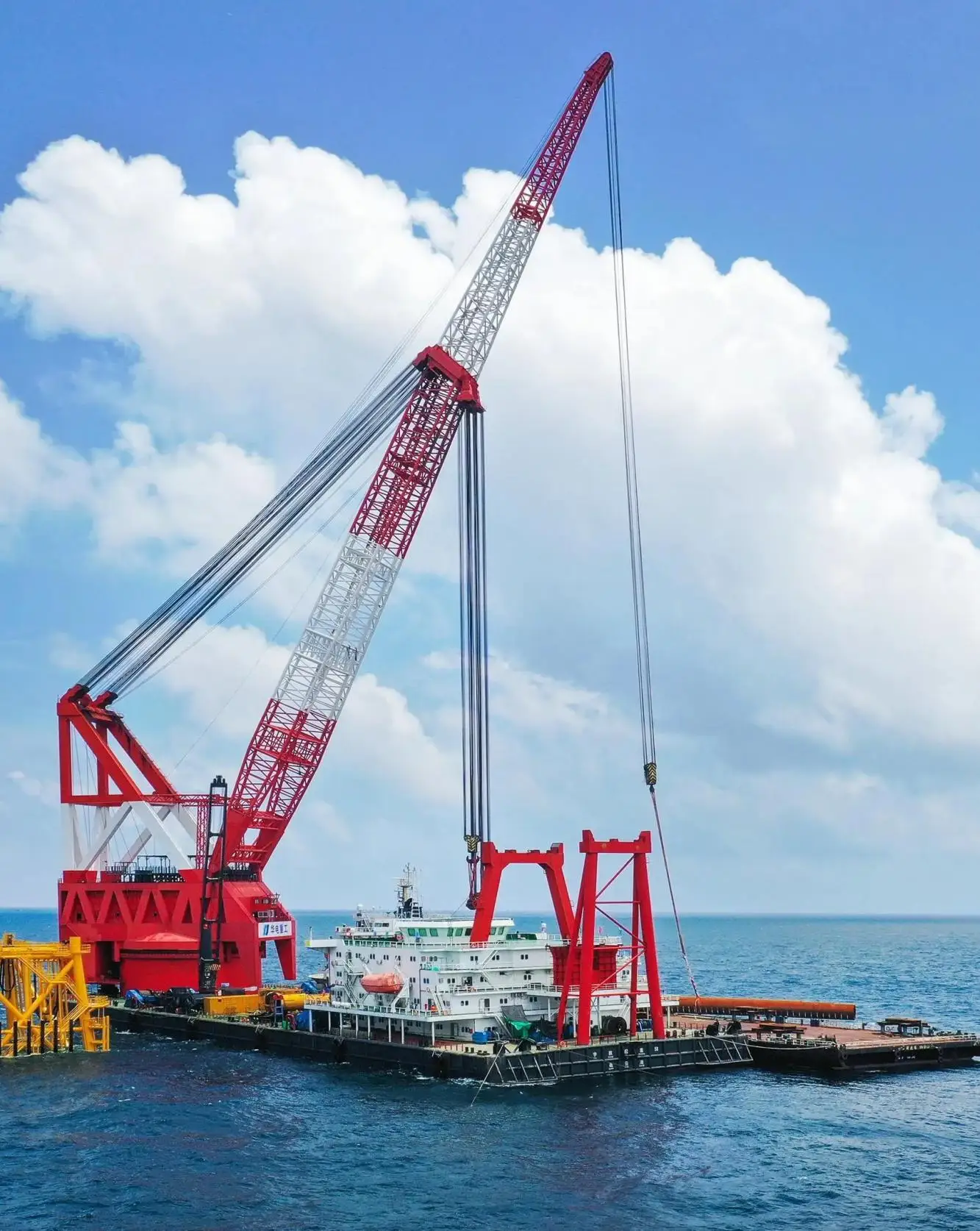
Floating offshore wind must become a reality if wind power is to contribute to a zero-carbon future. Because winds are stronger and more stable further offshore, energy companies are turning their attention to deeper waters where the seabed is not suitable for anchoring turbines.
And 80 percent of the windiest areas of the ocean are too deep to build foundations on the seabed. The solution is to float giant wind turbines tethered to the seabed, which would allow wind power to extend to countries with deeper coastal waters, or countries where the seabed is not suitable for fixed structures. Norway, France, Spain, South Korea, Japan and most of the US coast will benefit.
Offshore wind turbines produce green hydrogen. Wang Ziyue, a senior analyst at Bloomberg New Energy Finance, said that although the cost of generating electricity from offshore wind power is expected to be higher than that of onshore wind power in the long term, due to the higher stability and larger scale of offshore wind power, it is a big deal for hydrogen production by electrolysis of water. Advantage. Green hydrogen production powered by offshore wind can also significantly increase the commercial value of offshore projects.
Green hydrogen technology developer Lhyfe and Chantiers del’atlantique have officially started to cooperate to build the world’s first offshore wind power hydrogen production platform, which will be put into use in September 2022 at the SEM-REV test site on the coast of Saint-Nazaire, France. The two companies will collaborate with grid-connected or off-grid wind farms on offshore renewable hydrogen production projects, with plans to develop green hydrogen production solutions with a minimum capacity of 100 MW.
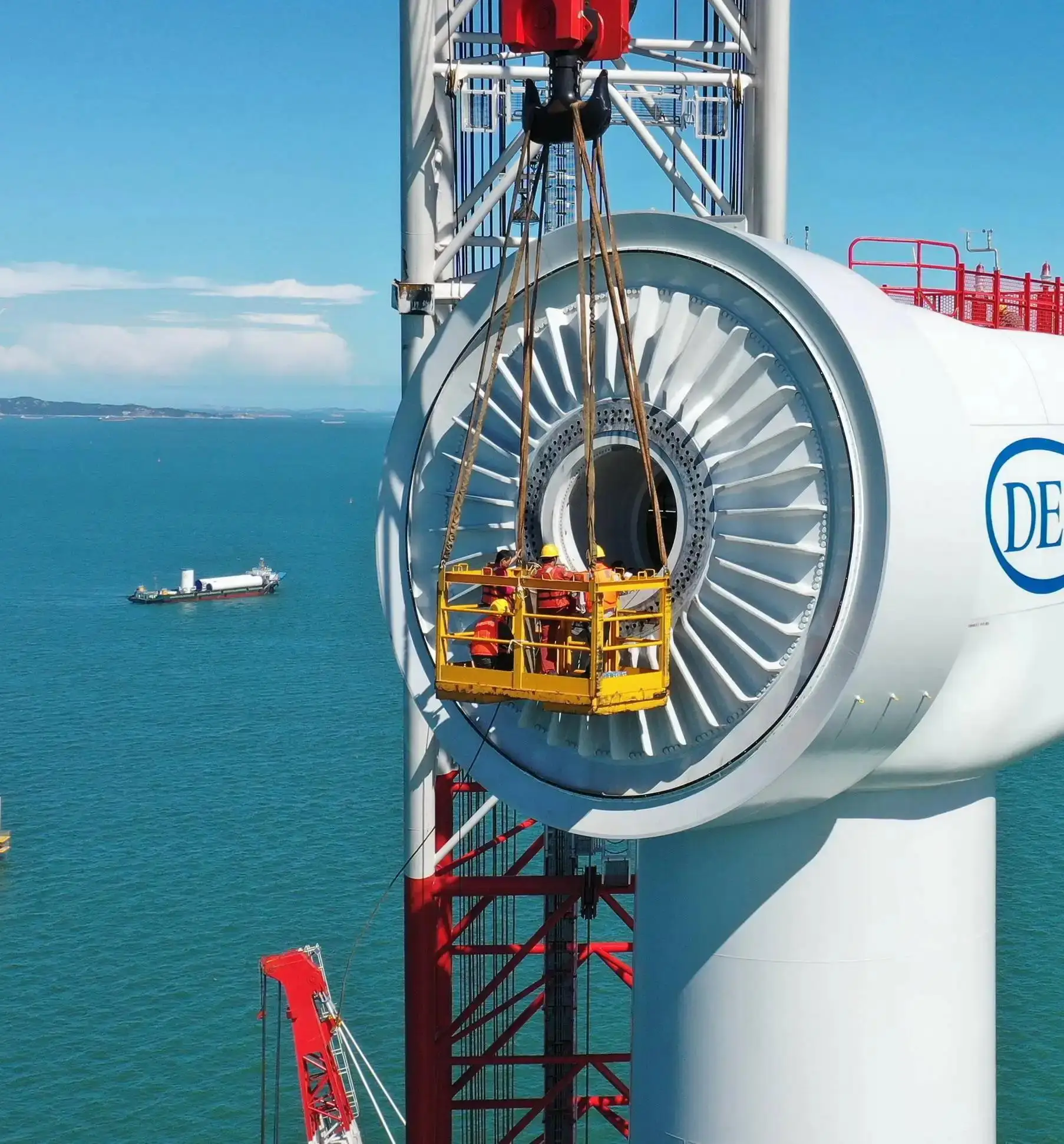
In June 2022, German energy company RWE and steelmaking giant ArcelorMittal signed a memorandum of understanding to jointly develop, build and operate offshore wind farms and hydrogen facilities that will provide renewable energy and green hydrogen for the production of low-emission steel in Germany .
NordseeTwo, RWE’s German offshore wind project with Northland Powe, plans to also produce hydrogen offshore, and according to RWE, the 433-megawatt offshore wind farm planned to be built north of Juist Island and put into commercial operation in 2026 will include 15-megawatt wind turbines. In addition to the latest and most innovative wind turbines, the two Nordsee partners aim to demonstrate the technical and commercial viability of offshore hydrogen production, the company said.
Oil and gas giant Shell has made an investment decision to build an offshore wind power green hydrogen plant in the Port of Rotterdam. Shell said that when the project begins operations in 2025, the Dutch hydrogen facility will be "the largest renewable hydrogen plant in Europe.
According to Shell, the 200-megawatt electrolyzer will be located in the port of Rotterdam, Europe's largest seaport, and will produce up to 60,000 kilograms of renewable hydrogen per day.
It can be considered that offshore wind power has entered the deep sea, and the unconsumed wind power will be decomposed into liquid or gaseous chemical energy through electrolysis and other methods for storage. key to breaking the game.
Some parts of China are also speeding up the layout of offshore wind power hydrogen production projects. On June 20, 2022, Shanghai issued the "Shanghai Hydrogen Energy Industry Development Medium and Long-term Plan (2022-2035)", which proposed: "Hydrogen production from offshore wind power On the one hand, we will carry out research on technologies related to hydrogen production from deep-sea wind power, and actively carry out demonstration project construction in combination with the overall layout of Shanghai’s deep-sea wind power. We will break through the bottleneck of using fresh water electrolyzed water to produce hydrogen at sea and reduce the cost of hydrogen production from seawater.”
The relevant planning of Zhangzhou, Fujian Province also proposes to accelerate the development of offshore wind power of 10 million kilowatts in the shoals of Zhangzhou, lay out hydrogen energy industrial bases such as offshore wind power hydrogen production, develop hydrogen fuel water and land intelligent transportation equipment, and build a “hydrogen production-hydrogenation- hydrogen storage" industry chain.
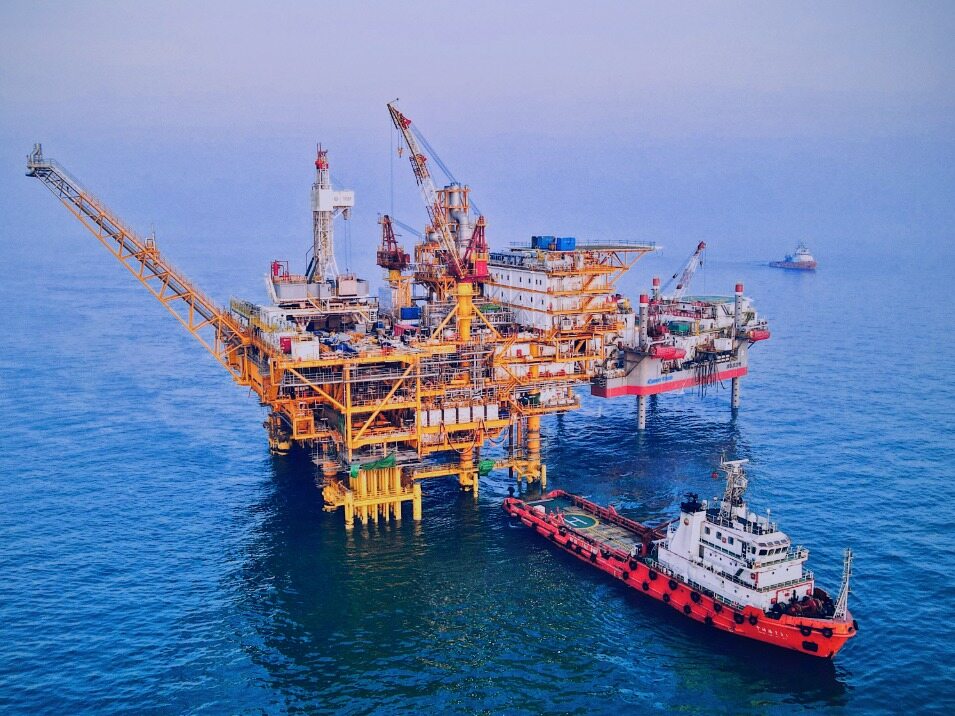
Integrated development of marine resources. The construction of offshore wind power is gradually moving to the deep sea, and the cost of new transmission facilities is relatively high. The integrated development of offshore wind power with marine ranching, offshore oil and gas, seawater desalination, hydrogen energy, and energy storage will help improve the efficiency of sea area utilization. Promoting comprehensive applications such as hydrogen production from offshore wind power is an important development direction of offshore wind power.
Many provinces and cities in China have issued documents to advocate the integrated development of offshore wind turbines using marine resources: Jiangsu Province's "14th Five-Year Plan" proposes that the centralized, large-scale and sustainable development of offshore wind power will be promoted in an orderly manner, so as to build a national-level offshore wind farm. 10 million kilowatts of wind power base, offshore wind power increased by about 12.12 million kilowatts.
The "14th Five-Year Plan for Renewable Energy Development in Zhejiang Province" will "explore a new model for the development of offshore wind power bases" and intensively build demonstration projects of offshore wind power + ocean energy + energy storage + hydrogen production + marine ranching + onshore industrial bases .
The "14th Five-Year Plan for Marine Economic Development in Guangdong Province" proposes to support the comprehensive development and utilization of marine resources, and promote the combination of offshore wind power project development with marine ranching, offshore hydrogen production, sightseeing and tourism, and marine comprehensive test sites, and strive to achieve the goal by the end of 2025. The cumulative installed capacity has reached 18 million kilowatts.
It is foreseeable that in the future, offshore wind power will form a new industrial chain, and will also drive the development of more emerging industries, injecting vitality and energy into the revolution of new energy and clean energy. Editor / Xu Shengpeng
Comment

 Praise
 Collect
 Comment

 Share
Share


Write something~