 Search


- The project covers two parts: photovoltaic power station and hydrogen production plant
- The total installed capacity of the photovoltaic power station is 400 MW, and the total installed capacity of the hydrogen production plant is 75 MW
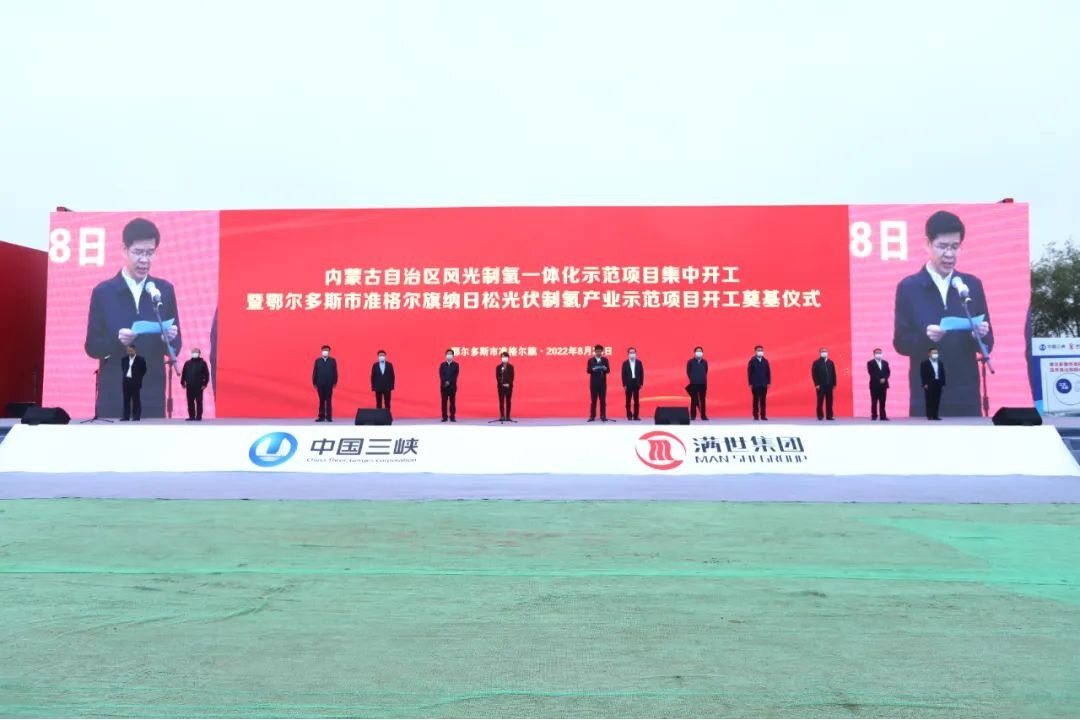
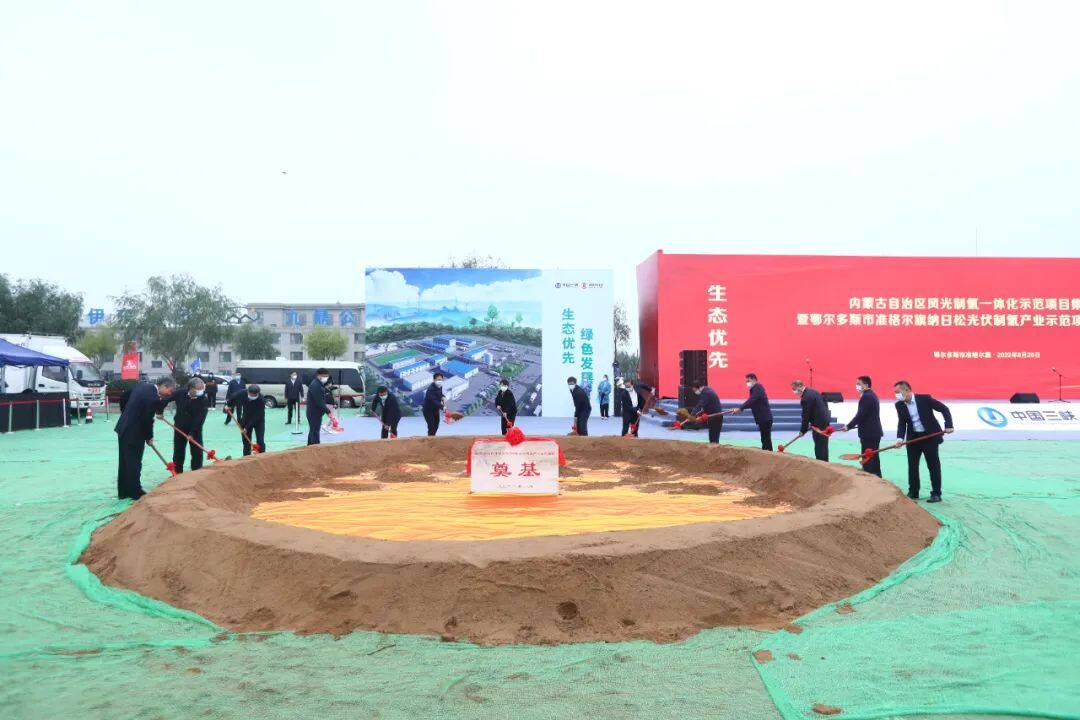
On August 28, 2022, the first hydrogen production project of China Three Gorges Group—Narisong Photovoltaic Hydrogen Production Demonstration Project in Zhunger Banner, Ordos City, Inner Mongolia Autonomous Region officially started construction, which marks an important step for China Three Gorges Group in the field of hydrogen energy.
Photovoltaic power station + hydrogen production project
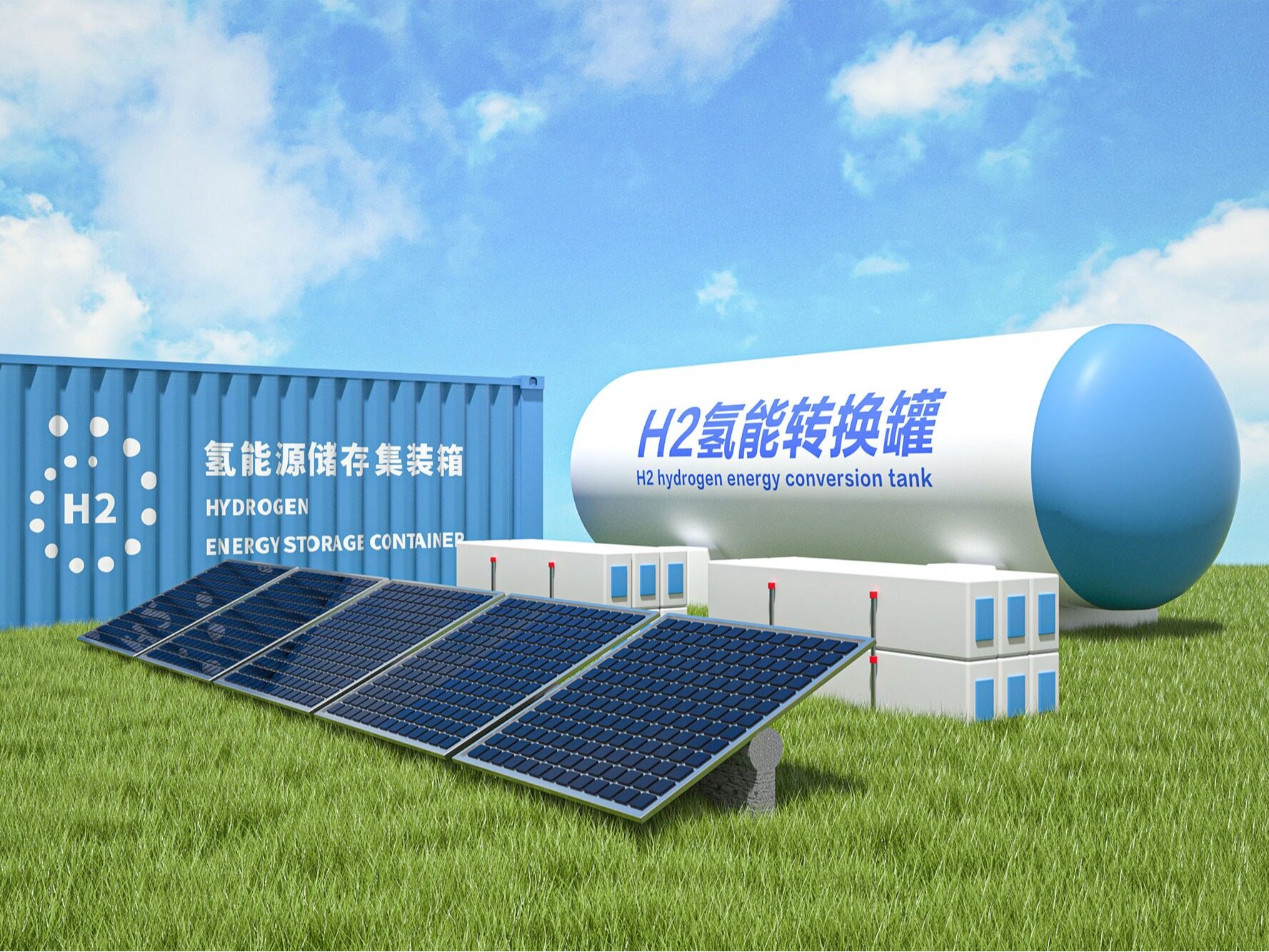
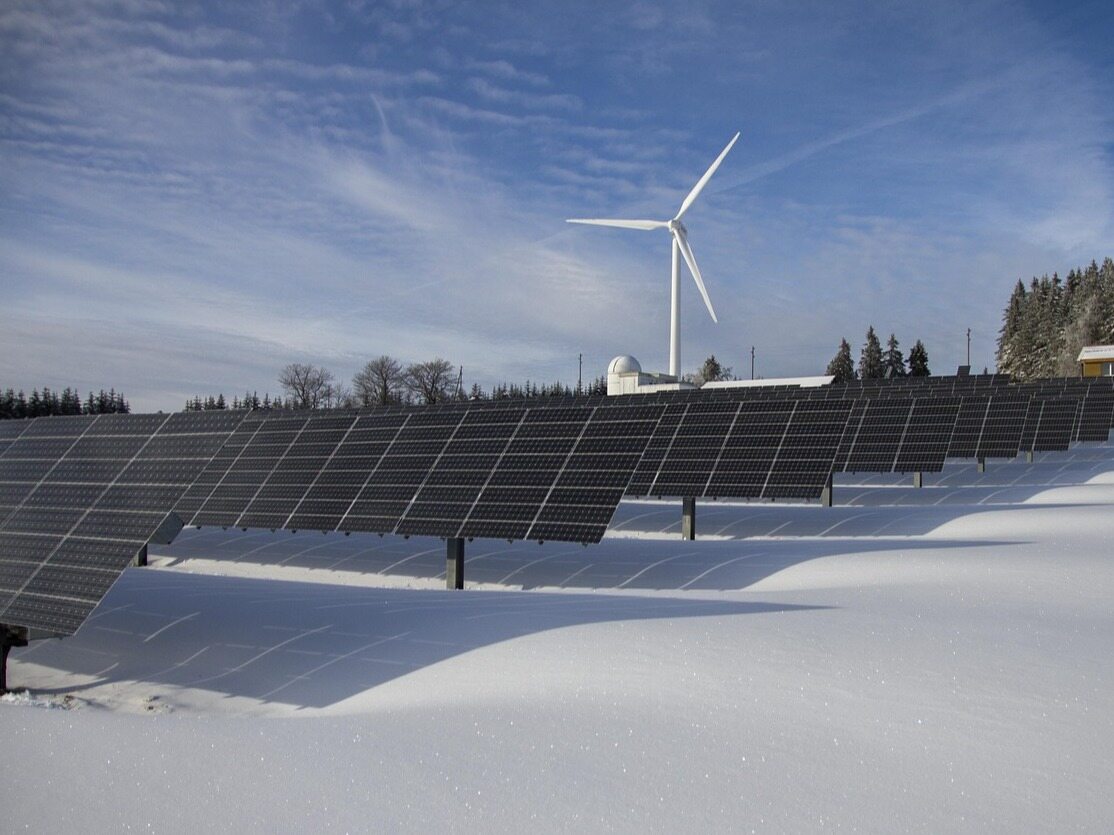
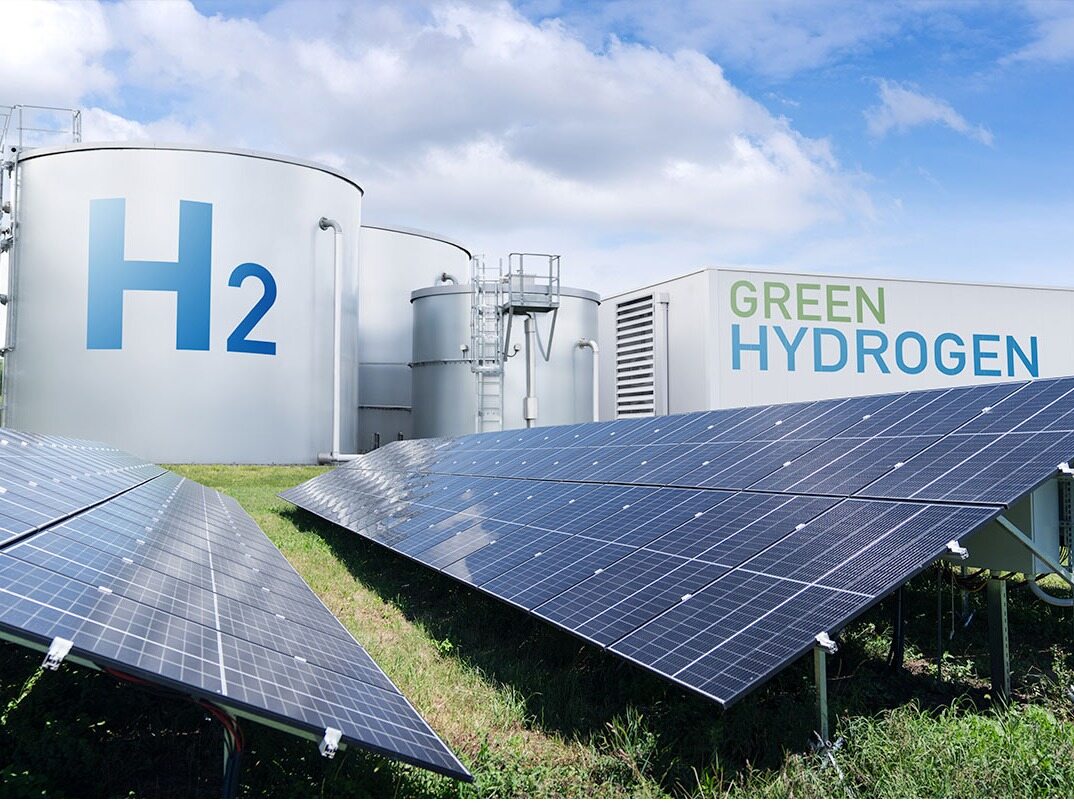
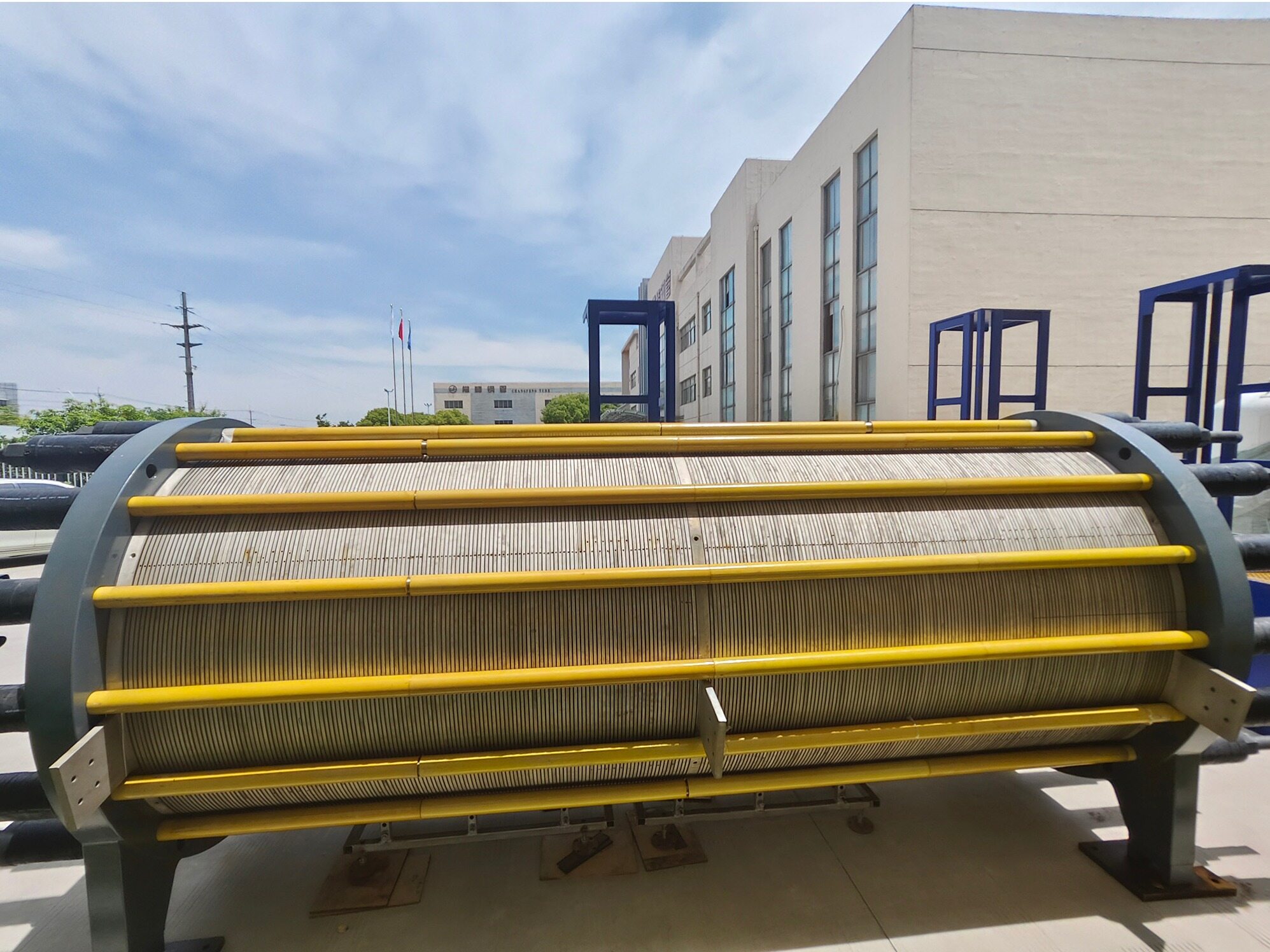
The project is located in Narisong Town, Zhungeer Banner, Ordos City, and is invested and constructed by Three Gorges Energy. The project includes a photovoltaic power station and a hydrogen production plant. The total installed capacity of the photovoltaic power station is 400 megawatts, and the average annual power generation is 740 million kWh. After completion, it can save about 230,000 tons of standard coal and reduce carbon dioxide emissions by about 600,000 tons. tons; the total installed capacity of the hydrogen production plant is 75 MW, including 15 alkaline electrolytic cells of 1,000 standard square meters per hour and one standby alkaline electrolytic cell of 1,000 standard square meters per hour, with an annual production hours of 8,000 hours. It can produce about 10,000 tons of hydrogen and 85,000 tons of oxygen as a by-product every year. The project is expected to realize grid connection of the power station and hydrogen energy output within the year.
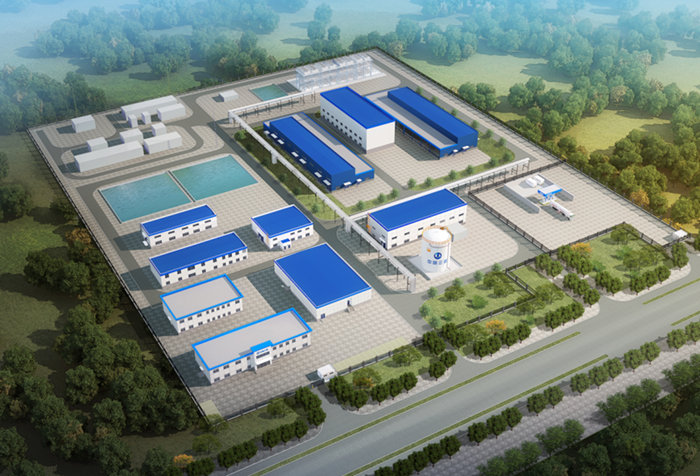
This project is CTG's first project in the field of hydrogen energy. It is committed to the research and development of key technologies such as hydrogen energy production, storage, and application. It will accumulate valuable experience for the large-scale and commercial development of green power hydrogen production for CTG, and strive to promote The development of the whole chain of "production, transmission and use" in the field of hydrogen energy.
After completion, 20% of the total power generation of the project will be directly transmitted to the local power grid, and the remaining 80% will be used for electrolysis of water to produce hydrogen. The hydrogen and oxygen produced are mainly used in the chemical and transportation fields. Among them, most of the high-purity hydrogen produced is directly transported to the downstream synthetic ammonia plant through the newly built 2-kilometer hydrogen pipeline, and the remaining part is pressurized and then loaded into a vehicle and transported to a nearby hydrogen refueling station; part of the produced oxygen is transported to the local area after pressurization For chemical enterprises, the other part is liquefied and then loaded into trucks for delivery to other units in need. Editor/He Yuting
Comment

 Praise
 Collect
 Comment

 Share
Share


Write something~