 Search


- China, the world's second-largest economy, has drawn up a hydrogen development plan for 2021-2035, aiming to be carbon neutral by 2060
- Europe aims to build 28,000 km of hydrogen pipelines by 2030
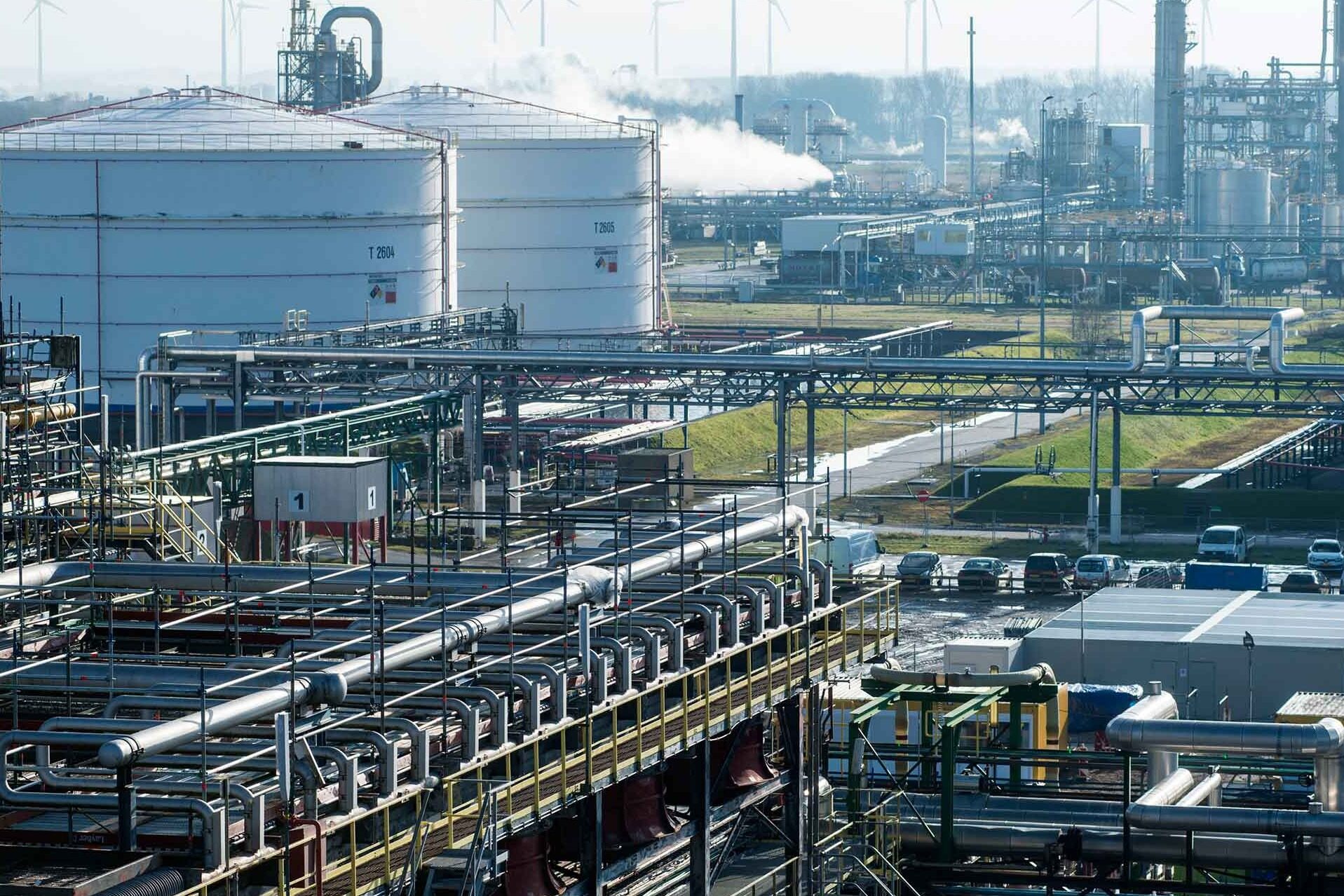
China, Europe and Australia are building new hydrogen projects to boost the production of cleaner fuels while working to lower emissions and limit global warming, a report shows. Countries are also developing new fueling infrastructure to help decarbonize heavy-duty and other modes of transportation. UK-based ITM and trading company Vitol have announced a fuelling joint venture, initially for the UK market, that will cater for cars, trucks and buses.
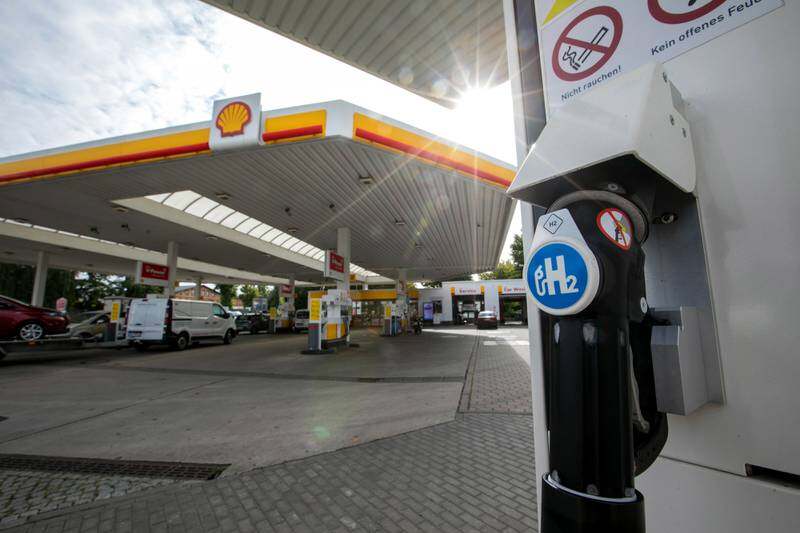
German petrol company H2 Mobility has also increased its number of petrol stations in the country to 300 after securing 110 million euros in funding. U.S. refiner Phillips 66 and Swiss company H2 Energy are also collaborating to deploy as many as 250 filling stations in Germany, Austria and Denmark. Meanwhile, Spanish oil and gas company Cepsa plans to install hydrogen refueling stations every 300 kilometers on major arterial roads connecting Spain with the rest of Europe to reduce emissions.
The EU is steadily upgrading its Alternative Fuels Infrastructure Directive into binding regulation for its member states. The MEP in charge of implementing the legislation, Ismail Ertuq of Germany, has pushed to reduce the authorization of hydrogen fueling stations from the previous one every 150 kilometers to one export every 100 kilometers, along the trans-European transport network the EU is making. plan. Under the proposal, member states are also obliged to build regular electric vehicle charging stations, the report said.
Hydrogen, which can be produced from renewable energy and natural gas, is expected to play a key role in the coming years as economies and industries transition to a low-carbon world to mitigate climate change. The size of the global hydrogen energy industry is expected to reach $183 billion by 2023, up from $129 billion in 2017. Australian green hydrogen developer FFI and German utility Eon have signed an agreement to supply hydrogen produced in Australia to Germany and the Netherlands.
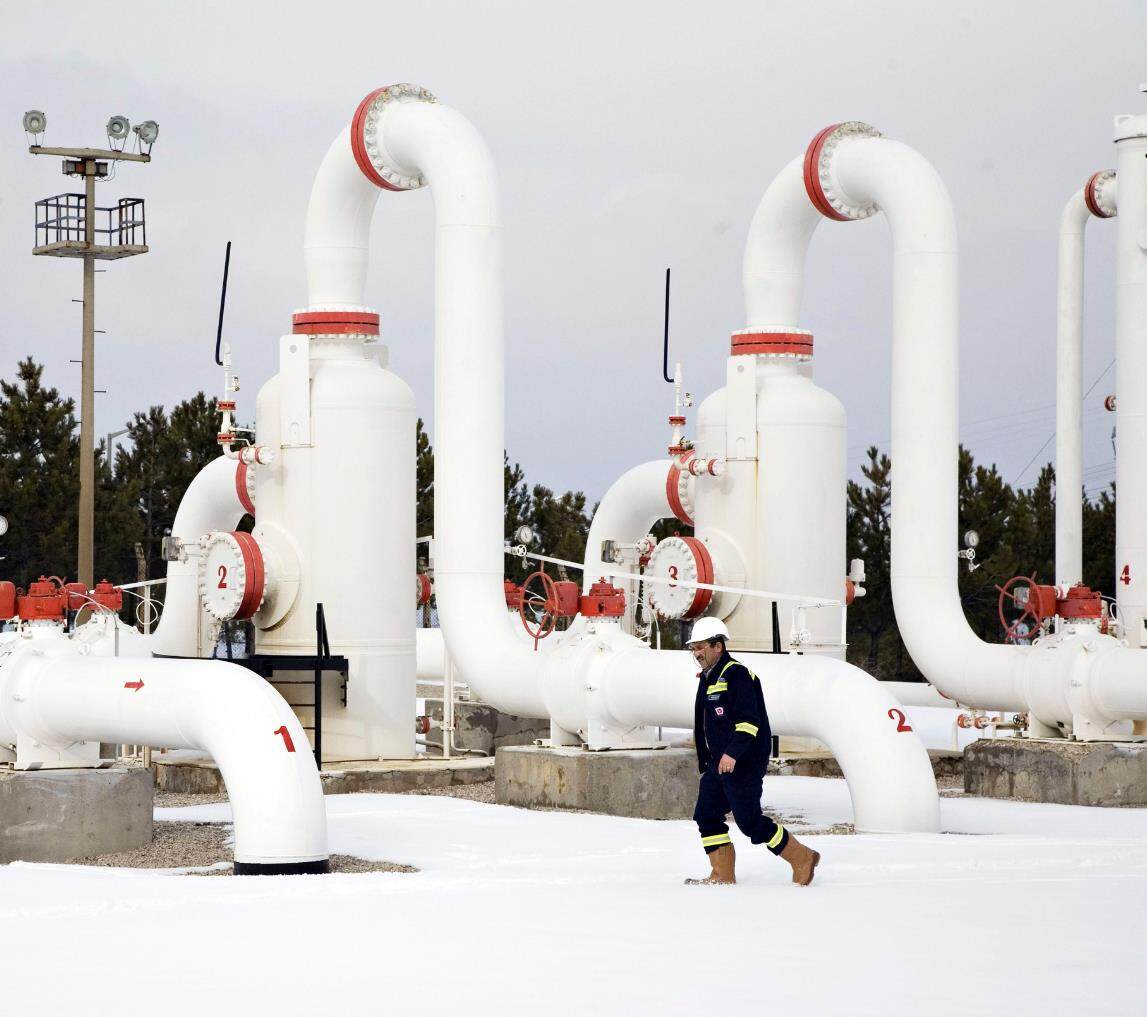
The companies aim to provide 5 million tonnes of green hydrogen per year, which is equivalent to about 165 terawatt-hours of natural gas and a third of Germany's thermal energy imports from Russia. The first supplies are expected to be delivered in 2024, as Europe's largest economy, Germany, aims to diversify its energy supply and reduce its reliance on Russia.
Continental Europe plans to establish five supply and import corridors by 2030. One will connect supply from Tunisia and Algeria to Central Europe via Italy, using existing pipelines in Italy, Austria, Slovakia and the Czech Republic. A southwest corridor will transport green hydrogen produced in the Iberian Peninsula through France to western Germany, eventually providing access to imports from Morocco.
A corridor connecting Central European buyers with regions with rich renewable energy potential, such as Romania, Greece and Ukraine, is also being planned through revamped gas pipelines, the report said. At the same time, the United States is helping Europe reduce its reliance on Russian oil and gas by promoting LNG infrastructure projects that could support future hydrogen deployments. The development comes as Europe is working to reduce its reliance on Russian energy amid the Ukraine conflict. Keywords: engineering news, overseas news
As part of its energy security strategy, the UK government has also increased its low-carbon hydrogen production capacity target from 5 GW to 10 GW by 2030. At least half of the hydrogen will come from renewable energy sources, with the rest from domestic natural gas using carbon capture and storage technology, the report said. The focus on hydrogen production is expected to boost long-term demand for rare earth metals, which are used to make hydrogen catalysts, purification materials, storage and transportation materials, and solid oxide fuel cells.Editor/XingWentao
Comment

 Praise
 Collect
 Comment

 Share
Share


Write something~