 Search


- By the middle of this century, the solar power generation will reach 14.5TW
- By 2050, half of all photovoltaic power plants installed will be equipped with dedicated energy storage
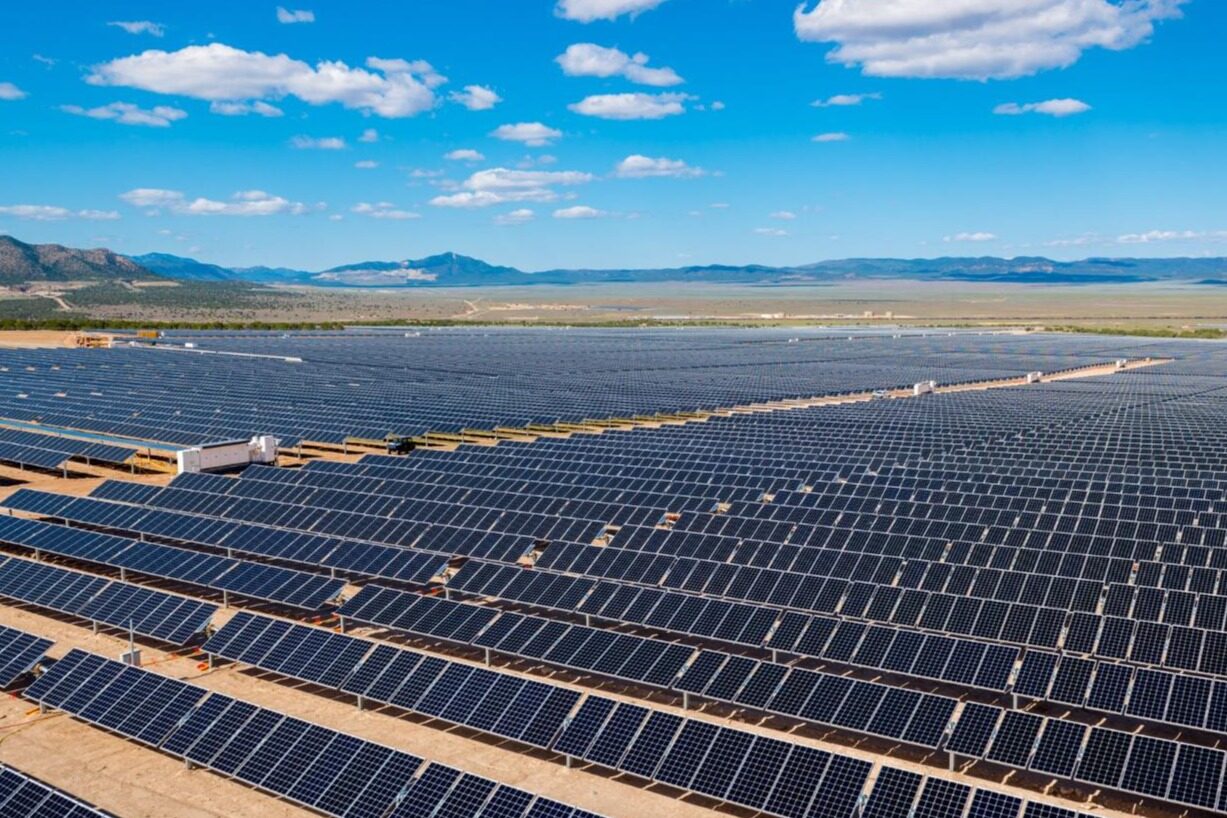
By 2050, the installed capacity of global solar PV will increase 20 times, and then this technology will account for 38% of all power generation. The guarantee and risk management suppliers predict that by the middle of this century, the solar power generation will reach 14.5TW, of which 9.5TW will be independent photovoltaic power generation and 5TW solar+storage.
Solar photovoltaic and wind energy are already the cheapest forms of electricity in most regions. By 2050, they will dominate power production, accounting for 69% of the total. Remy Erickson, CEO of DNV, said that the most powerful engine of global energy transformation is the rapid reduction of solar and wind energy costs, which will exceed the current short-term impact on the energy system. By the middle of this century, the global weighted average energy cost of solar PV is expected to drop from the current level of $50/MWh to about $30/MWh, and then the cost of a single project will be far less than $20/MWh.
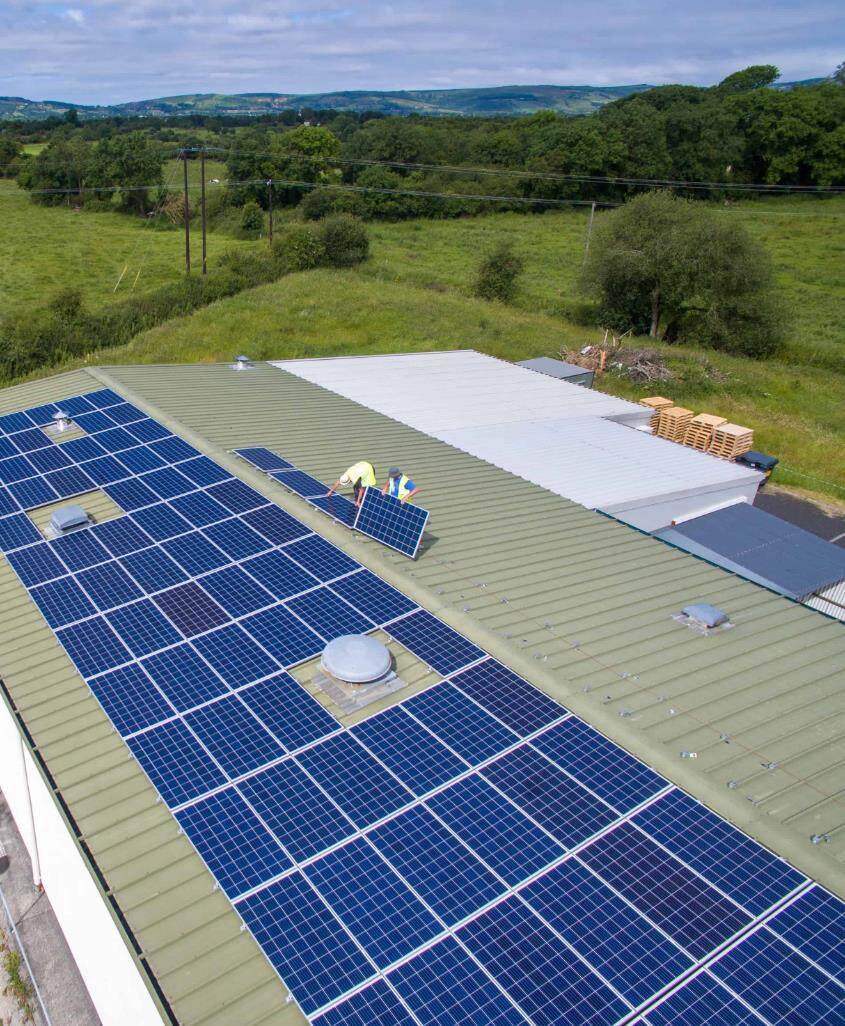
Although solar photovoltaic technology has become the technology with the lowest average capture price due to its variability, the report said that these prices would not be a hindrance to the strong growth of photovoltaic power generation, because the solar energy+energy storage photovoltaic system is designed as a package that can generate energy on demand, just like hydropower, nuclear or combustion power plants. According to this study, by 2038, the capture price advantage of solar+energy storage over conventional photovoltaic power plants will exceed the global average cost disadvantage.
The most feasible way for the organization to achieve zero net emissions in 2050 and limit global warming to 1.5 ° C is to quadruple the investment in renewable energy, and the investment in power grids must increase by more than 50% in the next decade. - The study found that although the global carbon dioxide emissions need to be reduced by 8% annually to achieve net zero emissions by 2050, the emissions in 2021 will rise sharply, and the emissions in 2022 may only decline by 1%.
To achieve net zero emissions, we must open the entire policy toolbox, including: increasing carbon taxes and subsidies, strengthening directives, prohibitions and financial incentives, encouraging renewable energy to replace fossil fuels, and more sensible regulation and standards.
Eriksson said that with the approach of the 27th Conference of the Parties and in view of the rising cost of climate change impacts, policymakers must recognize the huge opportunities inherent in decarbonizing the energy structure. The technology aims to achieve net zero emissions by 2050, but to achieve this goal, we must use the scope of the policy toolkit.Editor/Xing Wentao
Comment







 Praise
 Collect
 Comment

 Share
Share


Write something~