 Search


- Chinese companies will gradually enter Saudi Arabia, and industrial parks will be a new model for Sino-Arab cooperation
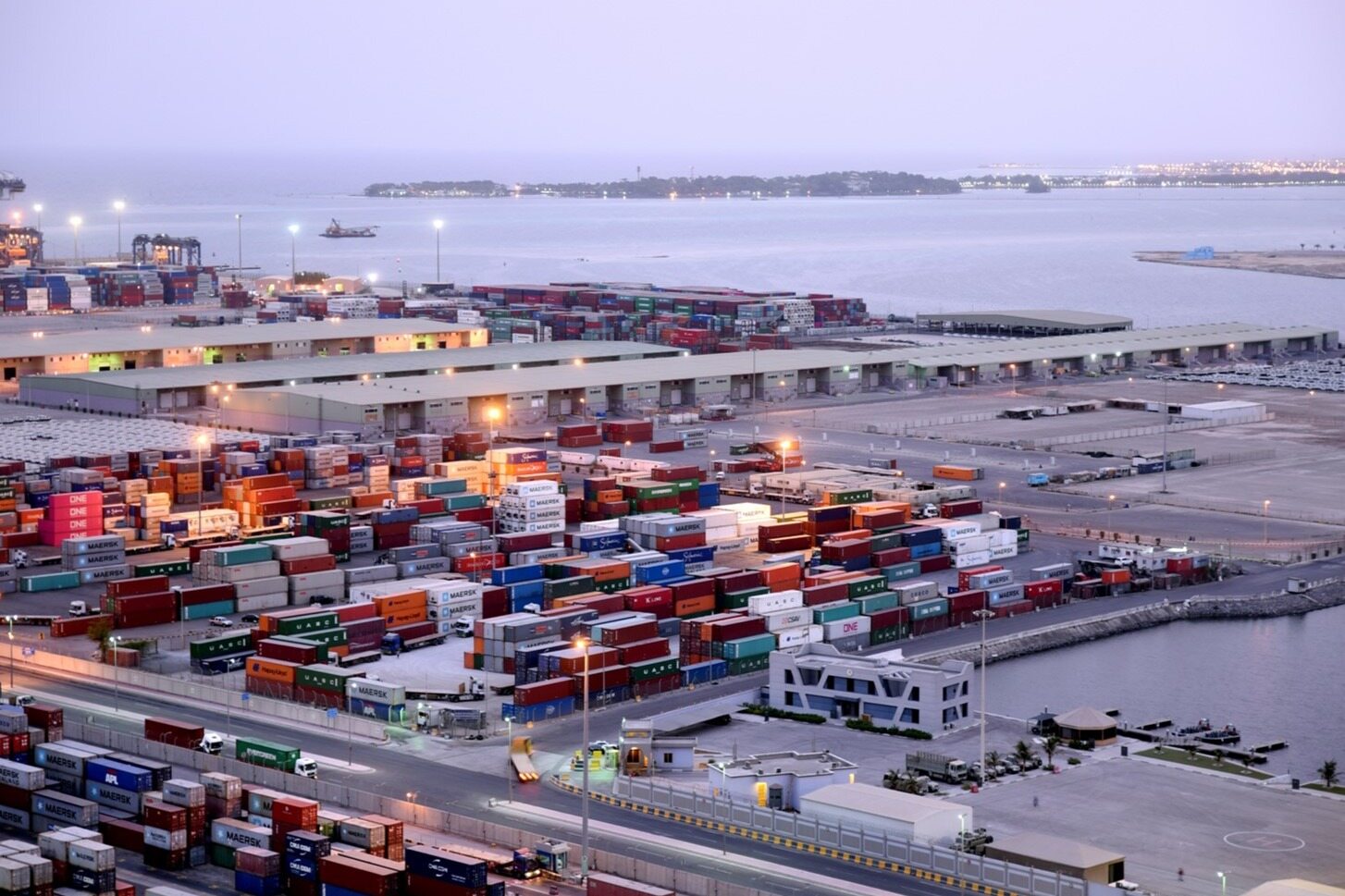
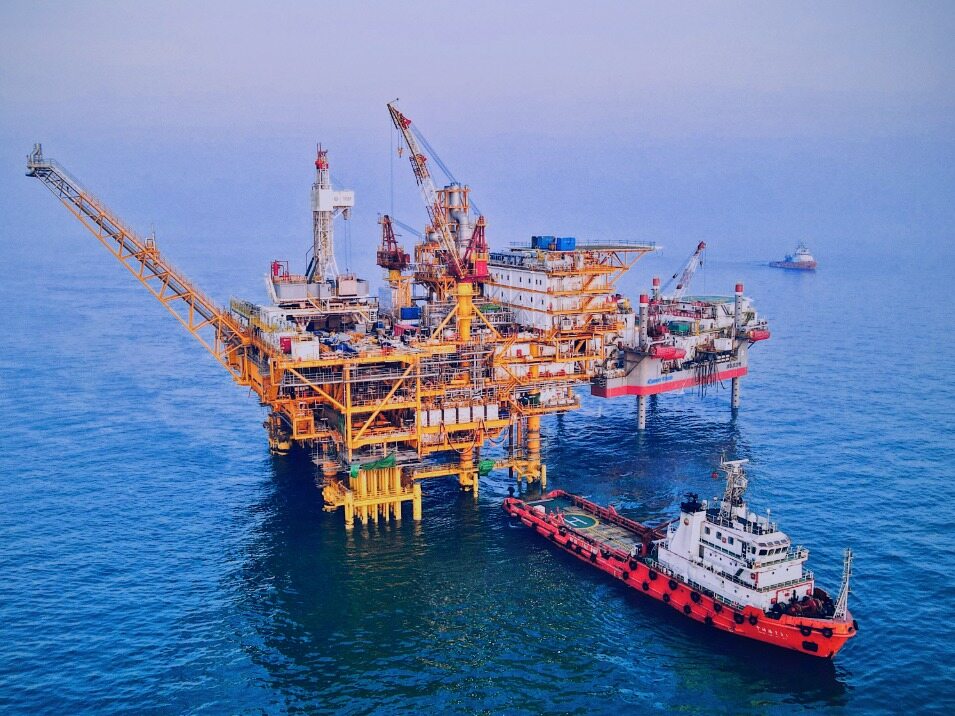
- China's large-scale Chinese-funded enterprises in Saudi Arabia cover oil and gas, railways, ports and other infrastructure fields, providing China's speed, Chinese standards and Chinese quality for Saudi Arabia's 2030 vision
China proposed the Belt and Road Initiative in 2013, and Saudi Arabia launched Vision 2030 in 2016. The foreign strategies of the two countries will reach their climax when Chinese President Xi Jinping goes to Riyadh to attend the first China-Arab States Summit in 2022. They are highly compatible and have synergistic effects. Help Saudi Arabia's economic construction and social development.
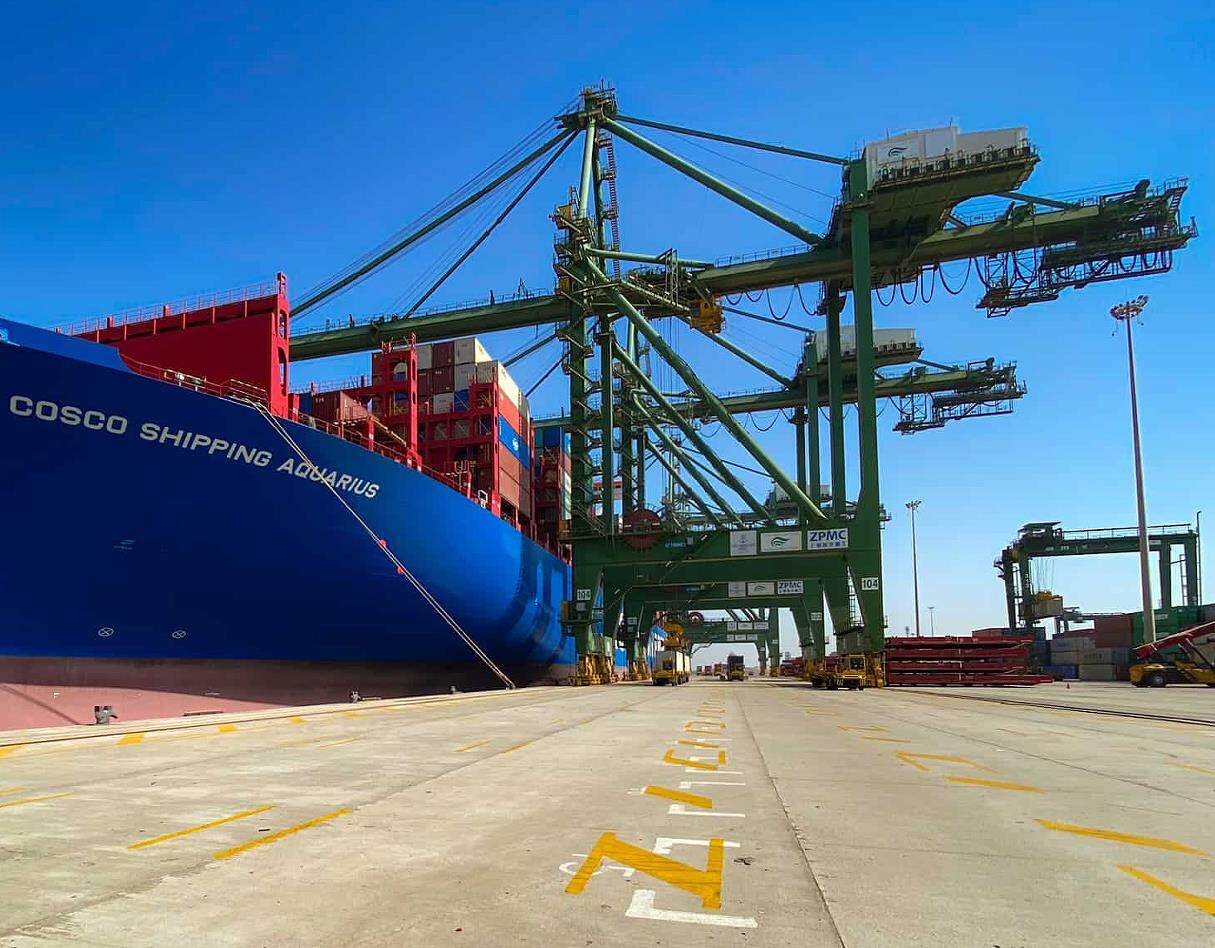
Saudi Arabia is located on the Arabian Peninsula, the largest peninsula in the world, bordering the Persian Gulf to the east and the Red Sea to the west. The word Saudi Arabia means the desert of happiness in Arabic, and it is also known as the kingdom of oil. Nowadays, the biggest cooperation between China and Saudi Arabia lies in oil trade. Ocean-going freighters need to go through the Indian Ocean and the Pacific Ocean to reach the ports of the two countries. The single mode of transportation has seriously affected the development of trade between the two countries. The first China-Arab Summit was held. Opened the door.
Leading the way and the two-way vision of the vision
From December 7, 2022, Saudi Arabia will successively host the first China-Arab States Summit and the China-Gulf Arab States Cooperation Council Summit. During the summit, China and Saudi Arabia signed a strategic partnership agreement to coordinate Saudi Arabia's 2030 Vision and China's Belt and Road Initiative to further release this potential. On December 8, China and Saudi Arabia signed the "Implementation Plan for the Joint Construction of the Belt and Road Initiative and the 2030 Vision" between the Government of the People's Republic of China and the Government of the Kingdom of Saudi Arabia, and plans to jointly promote infrastructure, production capacity, energy, trade and investment, and finance between the two countries. , Humanities and other fields, as well as cooperation in the construction of Jizan Basic Industry and Downstream Industrial City Special Development Zone. There are many complementarities between the Belt and Road Initiative and Vision 2030, which unlock many opportunities for cooperation between China and Saudi Arabia, further strengthening the bilateral relationship between the two countries.
Saudi Arabia launched Vision 2030 in 2016, planning to use 15 years to achieve a diversified transformation of the economy and society. On the streets of Riyadh, the capital of Saudi Arabia, the 2030 vision publicity boards that can be seen everywhere outline a modern metropolis integrating financial investment, tourism and leisure. Riyadh is trying to express to the outside world the goal declared by King Salman of Saudi Arabia: Will no longer depend on oil.
Over the years, Saudi Arabia has been China's largest trading partner in the Middle East and a major global crude oil supplier. China is also Saudi Arabia's most important crude oil export market and largest trading partner. Even under the impact of the new crown pneumonia epidemic, the trade between Saudi Arabia and China is still growing against the trend. In 2021, the bilateral trade between Saudi Arabia and China will increase by 30% year-on-year, fully demonstrating the complementary economic advantages and cooperation potential of the two countries.
Energy cooperation lays a solid foundation
The win-win cooperation between China and Saudi Arabia benefits from the continuous deepening and extension of energy cooperation between the two countries. As early as 2016, Sinopec launched its first overseas refining and chemical project, the Sayanbu Refinery in Yanbu, the oil city of Saudi Arabia. Due to the careful construction of local infrastructure and city appearance by Chinese companies, there is no pollution and mess in this oil city and heavy industry city. On the contrary, rows of verdant date palm trees neatly guard the clean streets, and buildings of various shapes are as clean as new.
The Yanbu Refinery is a direct reflection of the in-depth docking of Saudi Arabia's 2030 Vision and China's Belt and Road Initiative. It is the best example of the win-win cooperation between Saudi Aramco and Sinopec. important platform. Nagash, President and CEO of Yanbu Refinery, said that Yanbu Refinery has excellent product quality, sophisticated technology, good economic benefits, and good social response. It has become a model of energy cooperation between Saudi Arabia and China.
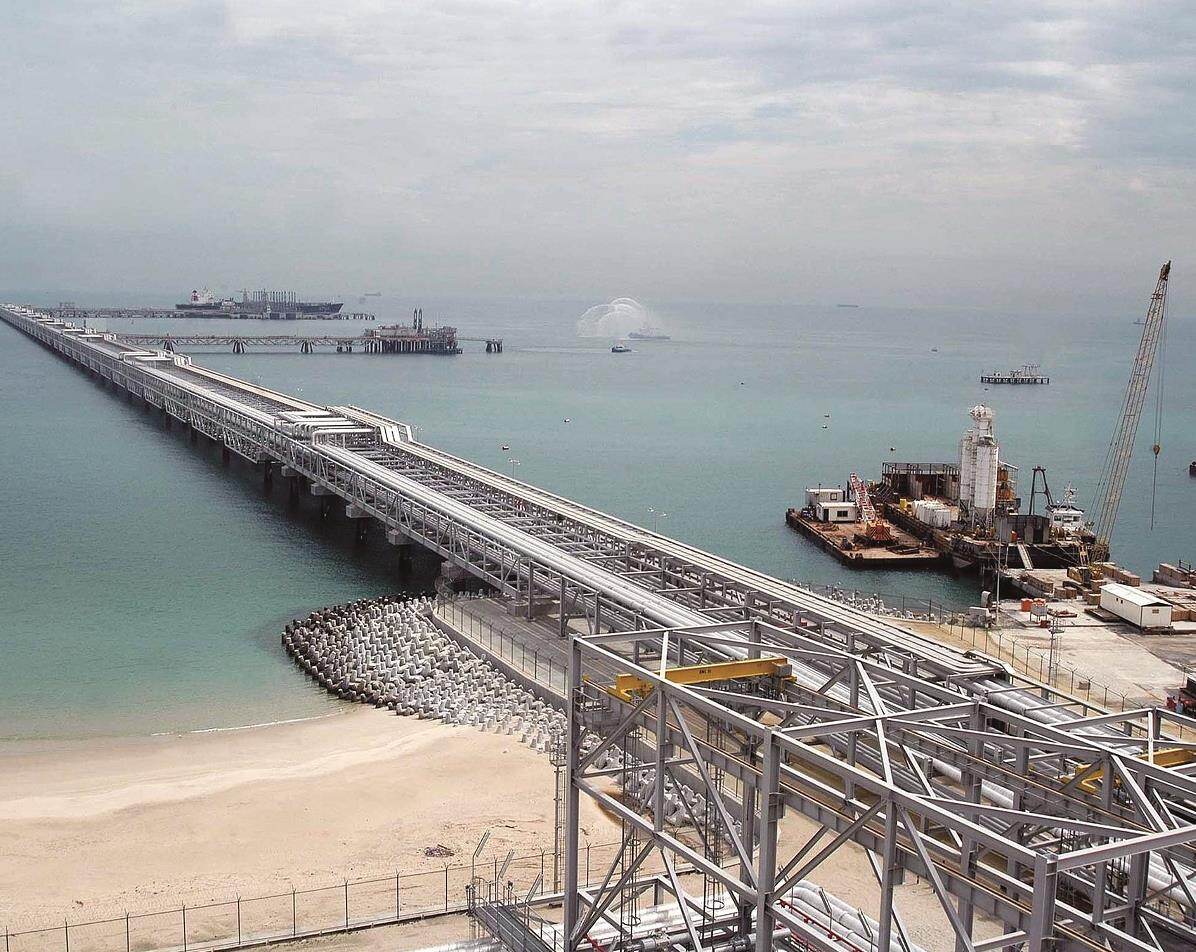
The establishment of strategic partnerships between China and Arab countries and the RMB settlement mechanism for oil and gas trade will have a profound impact on the economic and trade exchanges between the two sides. In 2021, China will import 202 million tons of crude oil from the six GCC countries (Saudi Arabia, the United Arab Emirates, Qatar, Kuwait, Oman, and Bahrain), estimated at 3,240 yuan/ton, or about 650 billion yuan. The GCC countries accept RMB settlement for oil and gas trade, and will use RMB to purchase Chinese goods and services in the future. Such a large-scale oil and gas trade is bound to become a link linking more industrial cooperation between the two parties.
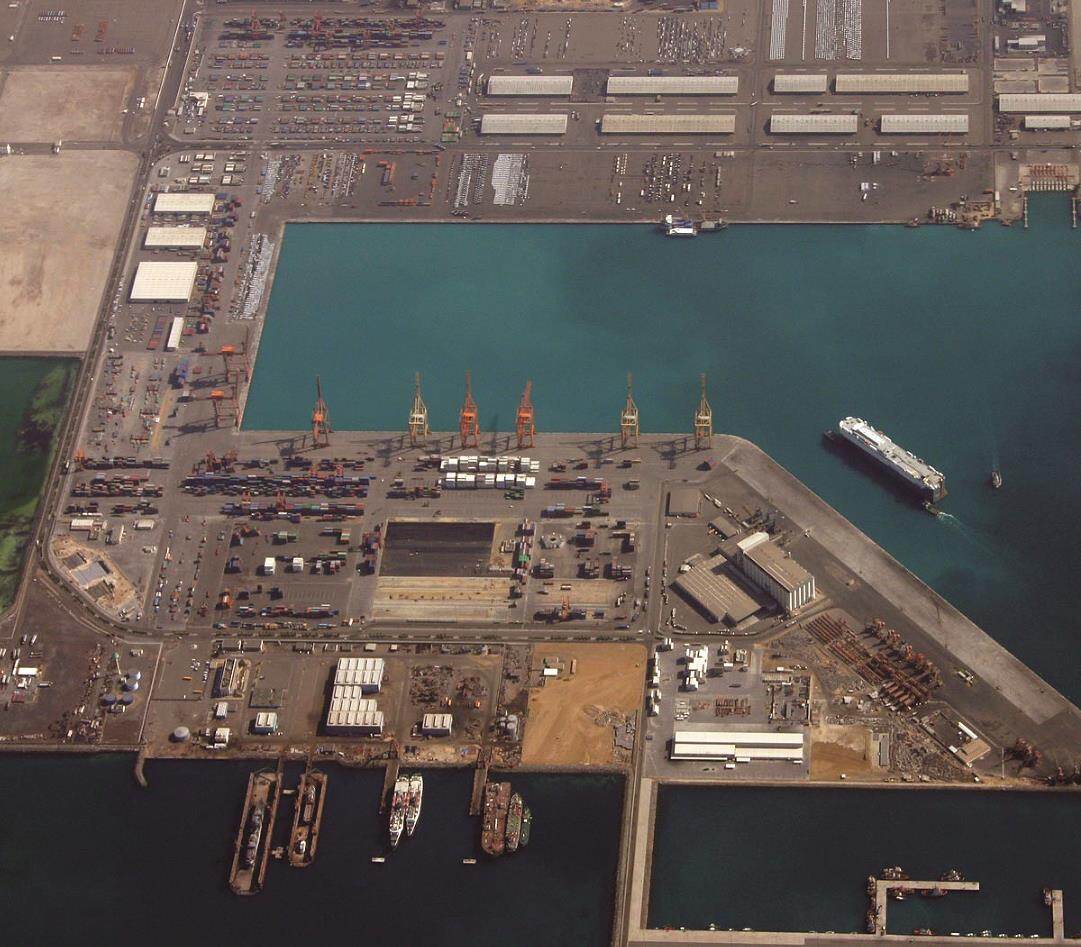
Saudi Arabia and relevant Chinese companies have signed 34 investment agreements, covering green energy, green hydrogen, photovoltaics, information technology, cloud services, transportation, logistics, medical care, housing, and construction of factories. Signed companies include IT giant Huawei, which signed an investment agreement with the Saudi Ministry of Communications and Information Technology. China Construction, a state-owned infrastructure giant, signed an investment agreement with the Saudi National Housing Company and the Saudi Ministry of Municipal and Rural Affairs. In addition, cooperation in the energy field is also a key point. On December 8, China General Nuclear Power Group announced that China General Nuclear Power International Holdings and AIJomaih Group signed a framework cooperation agreement in Riyadh, Saudi Arabia on December 7, and will work with Saudi Arabia, Laos, Bangladesh, Azerbaijan and other countries to build more than 10 million kilowatts Energy projects, covering solar, wind, gas and thermal power generation projects.
Bilateral trade between China and Saudi Arabia
Originally, Saudi Arabia was the strongest ally of the United States in the Middle East and one of the major oil exporting countries of the United States. In 2010, Saudi Arabia was the second largest source of oil imports to the United States, with imports as high as 1 million barrels per day, second only to Canada. However, in recent years, with the improvement of the US oil self-sufficiency rate and the easing of relations between Arab countries and Israel, the position of Saudi Arabia and even the Middle East in the US global strategy has gradually declined.
In particular, Saudi Arabia has gradually realized that the United States does not really regard itself as an ally, but mainly wants to use itself as a stepping stone to realize the interests of the United States, and Saudi Arabia’s 2030 vision strategy also conflicts with the United States. A strong and uncontrolled Saudi Arabia does not It is not in the interests of the United States. In addition to the journalist case in the past few years, the United States has run on Saudi Arabia, and the relationship between Saudi Arabia and the United States has created a greater rift. Saudi Arabia began to pay more attention to the east of the world, especially strengthening cooperation with my country. China's mechanical and electrical products, steel products, and clothing are very popular in Saudi Arabia, especially in the fields of aerospace and new energy. China and Saudi Arabia are highly complementary.
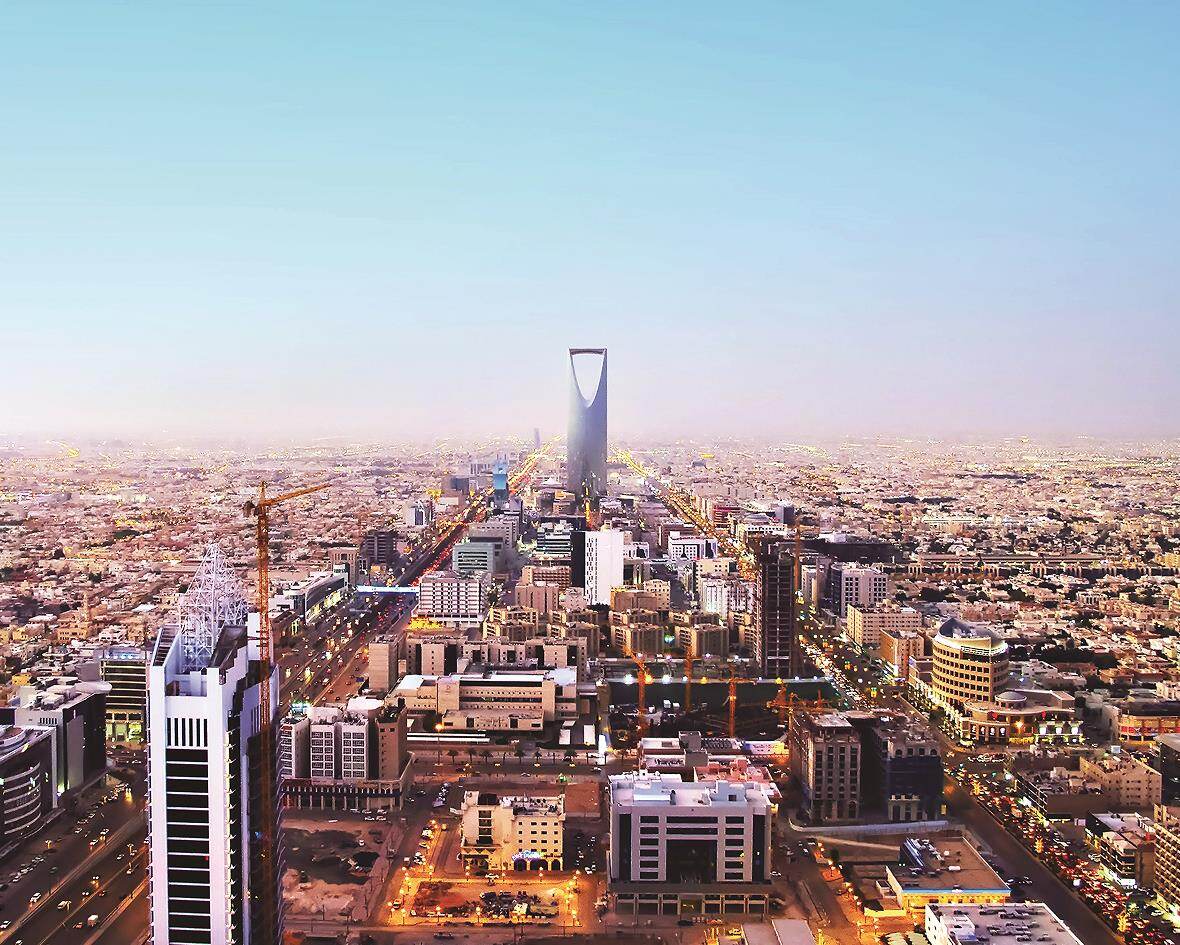
According to customs statistics, in 2021, the bilateral trade volume between China and Saudi Arabia will reach 87.31 billion US dollars, a year-on-year increase of 30.1%. In 2021, China's trade deficit with Saudi Arabia will be US$26.647 billion, a year-on-year increase of 142.8%. China is Saudi Arabia's largest oil importer, and stable oil trade cooperation has strongly supported Saudi oil energy interests and economic growth. According to the latest report of the International Monetary Fund, the Saudi economy will grow by 7.6% in 2022, making it the fastest growing economy among the G20 countries.
The oil trade between China and Saudi Arabia guarantees the stable supply of oil and energy in China, but China does not simply import energy from Saudi Arabia. The two countries also continue to deepen cooperation in energy fields such as oil and natural gas, extend the mid-stream and downstream industrial chains of the oil industry, and tap Saudi oil. and the value of the whole industry chain of natural gas and energy, and enhance Saudi Arabia's core competitiveness. In the past five years, China has been Saudi Arabia's largest trading partner, and since 2018 it has been the largest trading destination in Saudi Arabia's total import and export volume.
In recent years, Saudi Arabia has sought economic transformation. Apart from oil and gas, Saudi Arabia intends to vigorously develop digital economy, clean energy and other industries, which happen to be China's advantageous industries. Saudi Arabia's Vision 2030 is highly compatible with China's Belt and Road Initiative, and our cooperation with Saudi Arabia and Arab countries is mutually beneficial and win-win with no strings attached! This time, China and Saudi Arabia signed a large order of 30 billion U.S. dollars to increase exchanges and provide strong support for the economic diversification and transformation of Saudi Arabia and the Middle East. In 2021, the trade volume between China and Arab countries will exceed 300 billion U.S. dollars, and will continue to grow in the future. The cooperation between China and Saudi Arabia and the entire Arab world will reach a higher level.
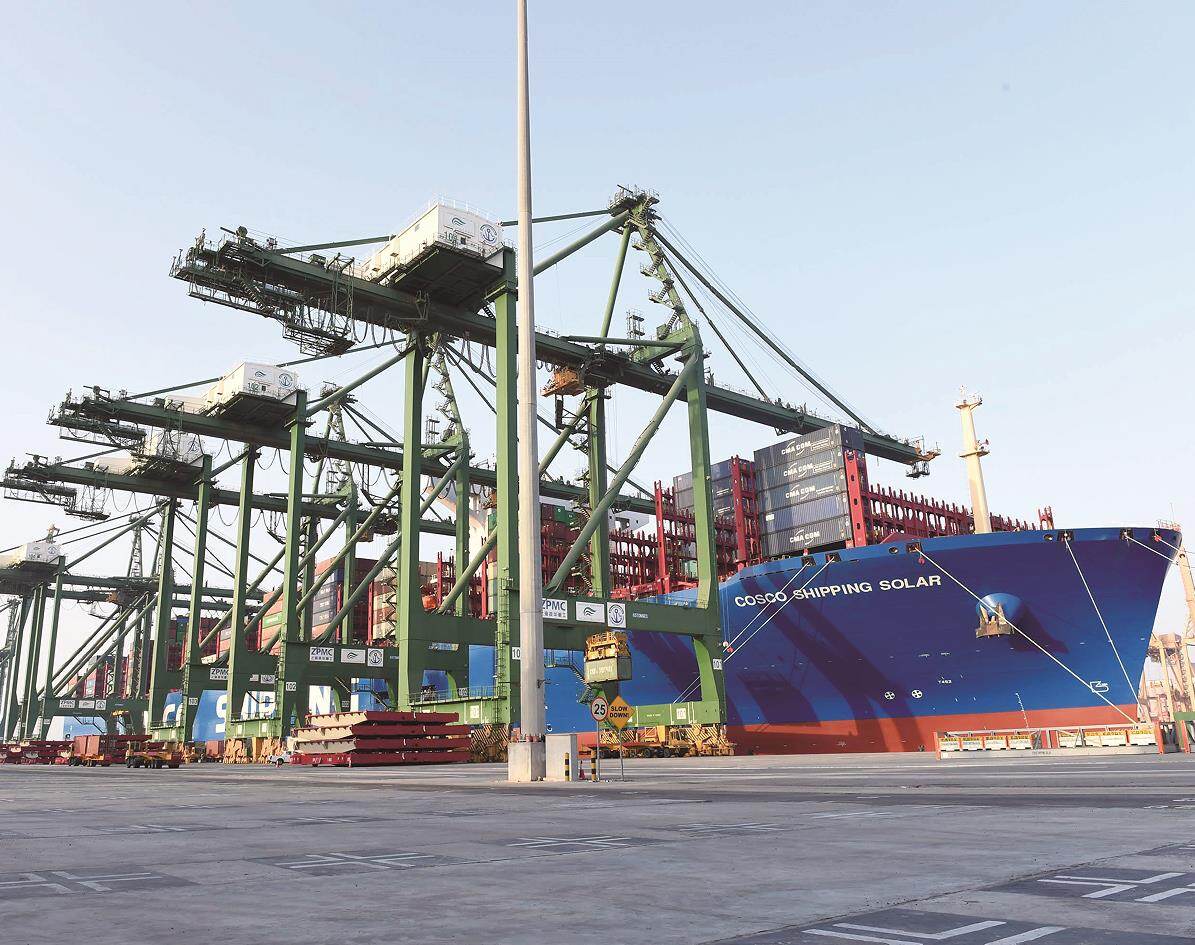
The heads of state of China and Saudi Arabia personally signed the "Comprehensive Strategic Partnership Agreement between the People's Republic of China and the Kingdom of Saudi Arabia", and agreed to hold a meeting of heads of state between the two countries in turn every two years. Mao Ning, spokesperson of the Ministry of Foreign Affairs, stated at the regular press conference of the Ministry of Foreign Affairs that President Xi Jinping stated during his visit to Saudi Arabia that China is willing to enhance the level of trade, investment, and financial cooperation with the Saudi side, and expand cooperation in e-commerce, digital economy and other fields.
Tang Tian, an associate researcher at the Middle East Institute of the China Institute of Contemporary International Relations, said that under the current situation, Chinese companies entering the Saudi market can pay attention to opportunities in manufacturing and e-commerce in specific fields such as infrastructure, new infrastructure, and energy-intensive industries.
China will continue to import large quantities of crude oil from GCC countries, expand imports of liquefied natural gas, and strengthen cooperation in upstream oil and gas development, engineering services, storage, transportation, and refining. Make full use of the platform of Shanghai Oil and Gas Trading Center to carry out RMB settlement of oil and gas trade. Strengthen cooperation in clean and low-carbon energy technologies such as hydrogen energy, energy storage, wind power photovoltaics, and smart grids, as well as cooperation in localized production of new energy equipment. Looking into the future, under the leadership of the leaders of China and Saudi Arabia, the two sides will continue to promote strategic docking, create a new pattern of high-level cooperation between the two countries in the fields of energy, economy, trade, and high technology, and create a happier and better life for the two peoples , Writing a new chapter of mutual benefit and win-win results.Editor/XingWentao
Comment


 Praise
 Collect
 Comment

 Share
Share


Write something~