 Search


- The main difference among Central Asian countries is the speed of policy adjustment to support the development of renewable energy
- Central Asia has a typical temperate continental climate, with drought and little rain throughout the year, long hours of solar radiation, and abundant solar energy resources.
In recent years, when markets such as Europe and the United States are booming, the solar energy market in Central Asia is also in full swing. Kazakhstan is the pioneer and regional leader, followed by Uzbekistan. Kazakhstan installed 2.7 GW of solar power between 2017 and 2021 and added more than 1 GW of solar in 2021, making it a top-ranked renewable energy investment, according to the new REN21 UNECE State of Renewable Energy report One of 30 countries.
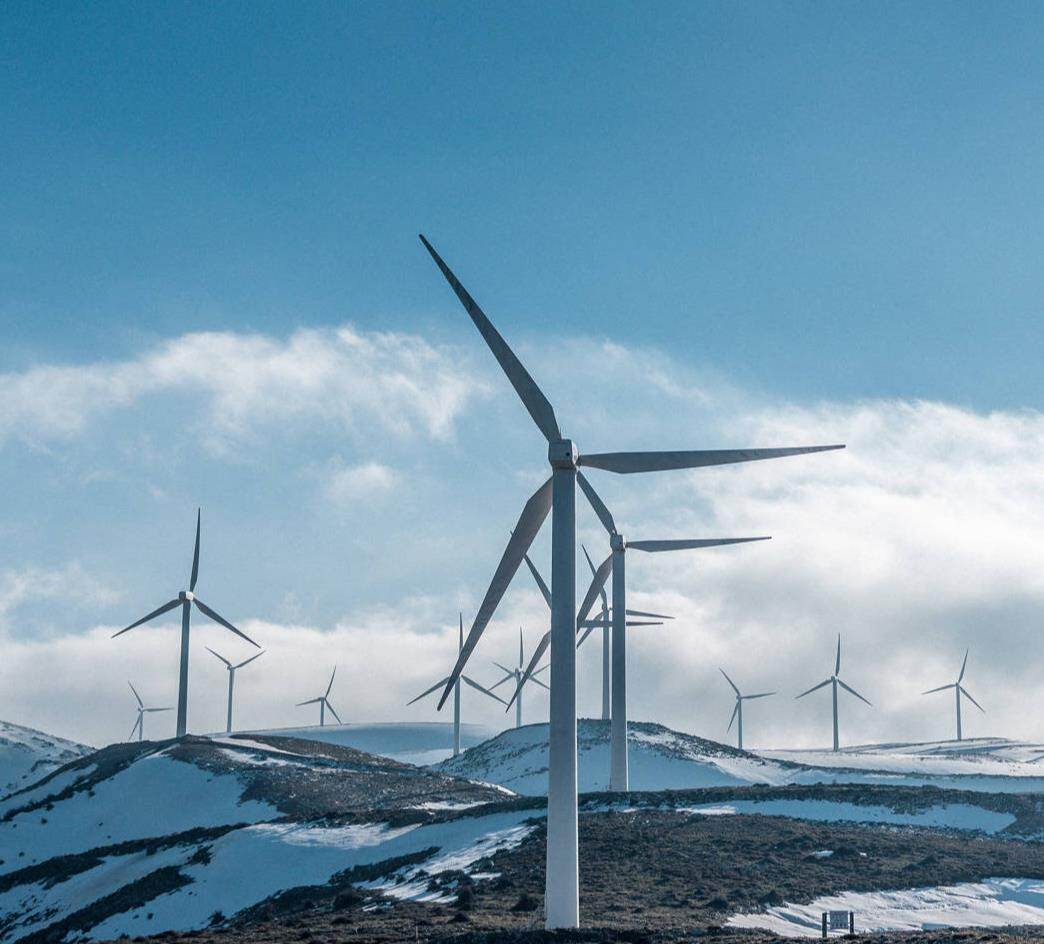
Recently, a regional director of Masdar told PV Tech Premium that a large number of heavyweight renewable energy companies have poured into Central Asia with large tracts of suitable land, and announced news of large-scale photovoltaic and wind energy projects.
Among these heavyweight renewable energy sources, Masdar, the UAE's renewable energy giant, is accelerating its deployment in the Central Asian market. Masdar is a renewable energy company owned by the UAE government and headquartered in Abu Dhabi. In early 2023, Masdar made a series of major announcements for large-scale renewable energy projects across Central Asia: 1GW in Kyrgyzstan, 1GW in Kazakhstan, 4GW in Azerbaijan, in addition to various projects in Turkmenistan and Uzbekistan.
In Uzbekistan's tender, Masdar won the bid for a 250MW solar power plant in the Bukhara region, which is the country's first battery energy storage system project to achieve an output of 62MW. When asked how changes in the policy and energy landscape have led to Masdar's recent spate of activity in Central Asia, Abdulla Zayed, Masdar's Head of Development and Investments for Central Asia and Russia, said: "While it appears to be a 'recent spate of activity' , but Masdar has been working with Central Asian countries for quite some time.
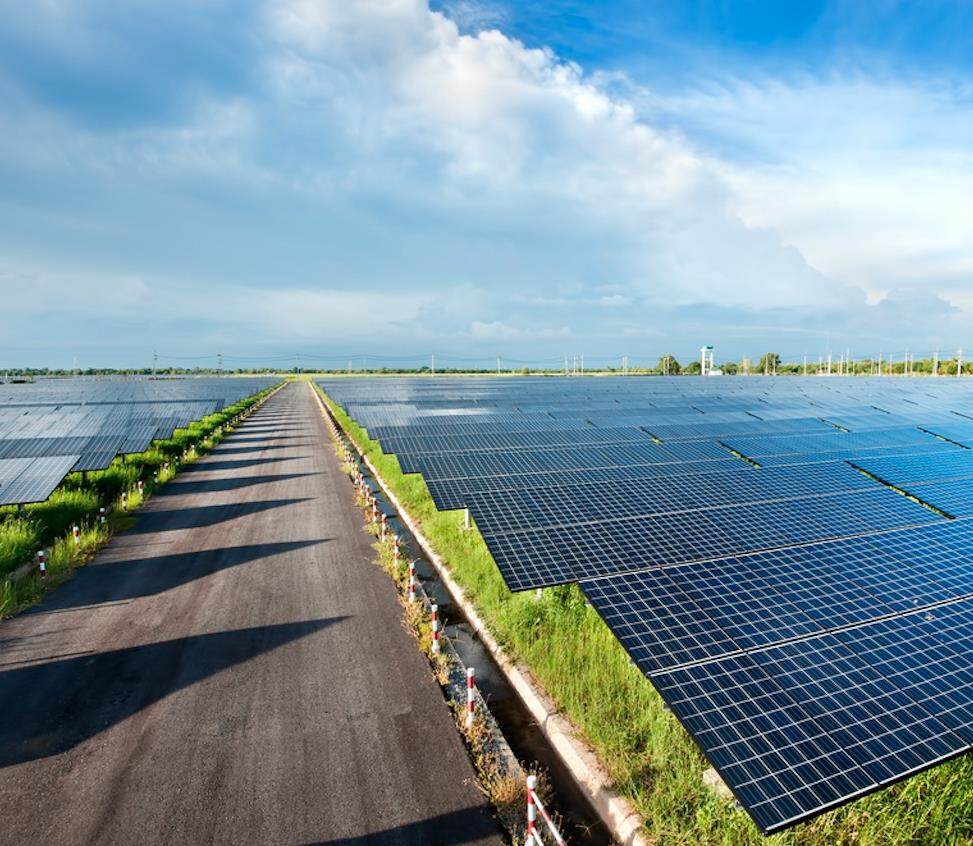
Often, we see the potential in most Central Asian countries long before these policies are adopted. We work with different governments and stakeholders to drive the adoption of renewable energy in the region. In doing so, we supported the adjustment of new policies and contributed to changing the energy landscape in this region. Masdar has recently been benefiting from these long-term efforts by developing, building and operating the 100MW Nur Navoi solar project, Uzbekistan's first successfully financed IPP solar project and first large-scale ground-mounted PV plant.
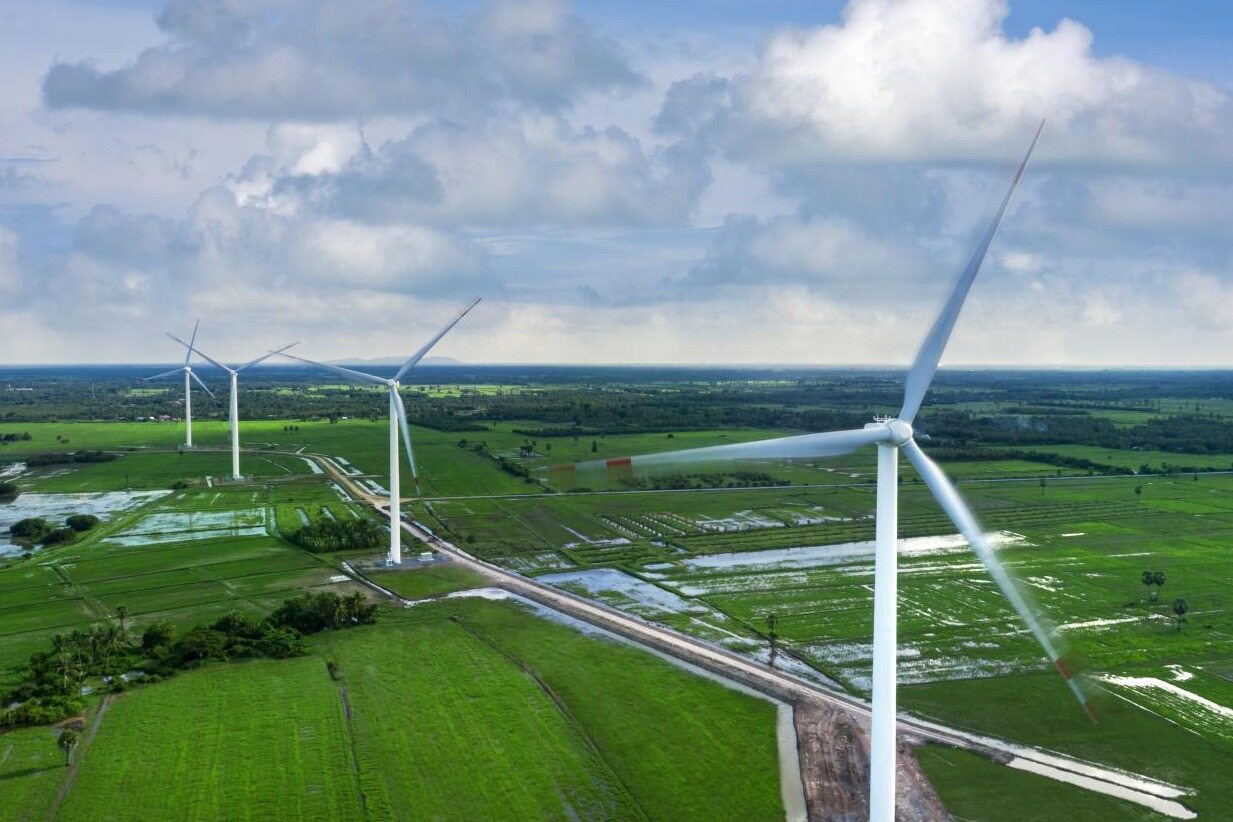
Masdar is also currently building Zarafshan, the largest wind power plant in Central Asia, in Uzbekistan. Additionally, Masdar is developing the 230MW Garadagh solar project in Azerbaijan, one of a series of projects it is developing in Azerbaijan. Zayed added that we are positioning Masdar as the largest renewable energy developer in the region, with projects in six countries and our aim to add additional capacity over an extended period of time.
Central Asia's challenge
The main difference among Central Asian countries is the speed of policy adjustments to support the development of renewable energy, Zayed said. But all countries recognize the importance of clean, sustainable, affordable energy. They have successfully implemented policies to support development, or are in the process of implementing projects. Central Asian countries also have ideal natural conditions to support the development of renewable energy. Most countries benefit from large amounts of available land, as well as substantial wind and solar resources. To support the huge planned capacity, governments in the region must invest heavily in transmission infrastructure. Of course, having large amounts of land is an advantage in developing renewable resources, which can also represent a challenge. To transmit and distribute clean energy nationwide, most countries in this region need to invest heavily in infrastructure.
Uzbekistan's transmission boost
For example, much of Uzbekistan's power infrastructure, including power generation and transmission, is 40-50 years old, and Uzbekistan is planning to overhaul the entire power system, said Dharmendra Kumar, associate director at financial research and analysis firm S&P Global. Upgrade and expand. In order to ensure stable power supply, the Uzbek government plans to invest in distribution and transmission networks. As part of this, Ukraine will invest $2.4 billion in the construction of 2,700 kilometers of transmission lines and nine new substations until 2030. PV developers in the region are also expected to build their own grid-connected facilities, Kumar added. Since 2019, the Ukrainian government has been cooperating with the World Bank and the Asian Development Bank to tender solar projects through the Solar Scale-up Program.
Kumar said the government is also ensuring that capacity is increased year by year to attract foreign businesses. For example, Scaling Solar has attracted several large developers including Masdar, Powerchina, Voltalia, Total Eren and Engie. However, tenders remain within the 500MW per annum range.
Limited solar power in Kazakhstan
Elsewhere, more than two-thirds of Kazakhstan's electricity production is based on coal-fired power stations, followed by gas and hydropower. Here, solar's counterpart is wind power, which dominates the renewable energy technology landscape. Annual renewable energy tenders are expected to boost solar projects in the country, however, limited PV quotas in tenders are limiting market growth, Kumar said.
Since the COVID-19 lockdown, the price of photovoltaic equipment has risen, which has also increased the overall project cost, and foreign exchange fluctuations have made the situation even worse. The government has noticed this situation. In order to maintain the attractiveness of the project, including the foreign exchange hedging mechanism, the Kazakh government is currently studying the revision of the bidding price ceiling. Other major challenges in Kazakhstan include political uncertainty, payment guarantees and the depreciation of the tenge against the dollar, Kumar said. Renewable energy developers active in Kazakhstan include Hevel Group, Kazsolar 50, Solnechnaya Sistema, Total Eren and Eni.
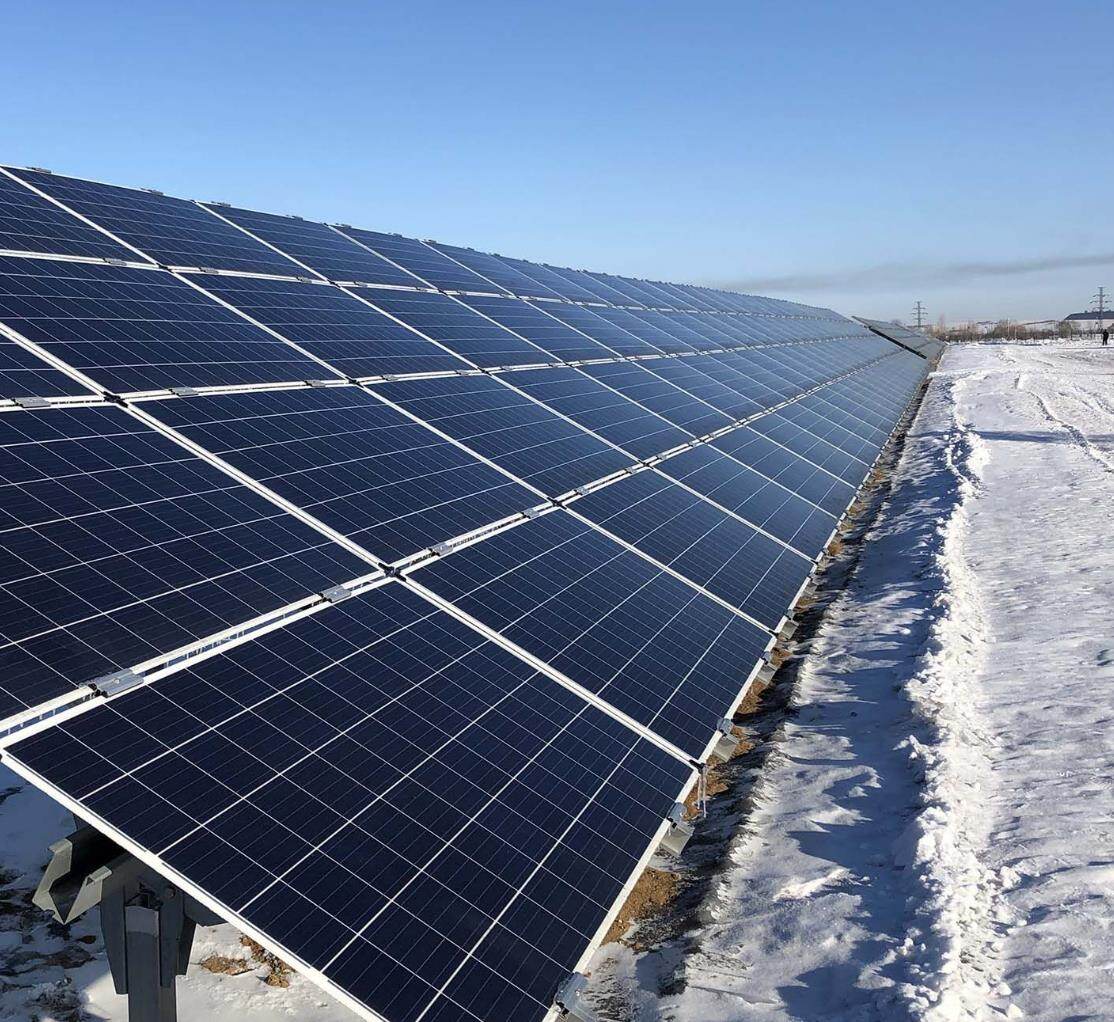
This month, Saudi state-owned ACWA Power announced partnerships with the National Grid of Uzbekistan (NEGU) and the Ministry of Investment, Industry and Trade for three solar PV projects in Tashkent and Samarkand and three battery storage systems in Tashkent, Bukhara and Samarkand. Power purchase agreements were signed to add 1.4GW of renewable energy and 1.5GWh of battery capacity, confirming the shift of solar heavyweights to Central Asia.
In addition to international giants, Chinese new energy photovoltaic companies such as Trina Solar, JA Solar, and Risen Energy have all entered this market and gained a lot. For example, the new energy in Central Asia is a "blue ocean market" that needs to be developed urgently, and the new energy cooperation between China and Central Asia is highly complementary.
First of all, Central Asia has a typical temperate continental climate, with drought and little rain throughout the year and long hours of solar radiation. Central Asia is also deeply affected by inland high pressure, with strong winds. Therefore, Central Asia is rich in both solar and wind energy reserves.
Secondly, the use of solar energy is inseparable from the photovoltaic system. China has already become the world's largest photovoltaic producer. More importantly, from upstream raw materials and polysilicon wafers, to midstream photovoltaic cells and modules, to downstream photovoltaic application products, China is in a leading position in the world. At present, the photovoltaic power plants in Central Asia invested and constructed by China - the Almaty photovoltaic power plant in Kazakhstan and the Navoi photovoltaic power plant in Uzbekistan are officially put into operation.Editor/XingWentao
Comment

 Praise
 Collect
 Comment

 Share
Share


Write something~