 Search


- The installed capacity of solar power plants in Cambodia will increase from the existing 432 MW to 1,000 MW by 2030
- These include investment projects in 2 hydroelectric power stations and 4 solar power stations with a total installed capacity of 520 MW

Important changes have taken place in the world's energy structure, and the renewable energy industry is booming. On April 7, 2023, the Cambodian cabinet formally reviewed and approved 6 power station investment projects, including 2 hydroelectric power stations and 4 solar power station investment projects, with a total installed capacity of 520 megawatts (MW).
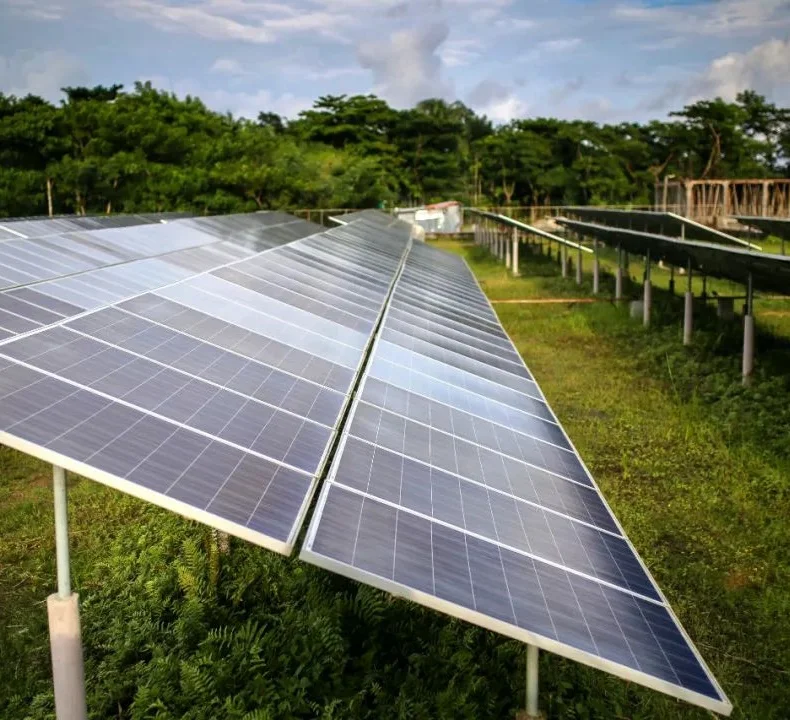
The two hydroelectric power station investment projects approved for construction on the same day are located in Koh Kong Province, and the four solar power stations are located in Pursat Province, Kampong Chhnang Province, Svay Rieng Province and Prey Veng Province.
The Office of the Spokesperson of the Prime Minister’s Office pointed out that the aforementioned new power station project will not only ensure sufficient energy supply in the future for Cambodia, but also increase the production capacity of clean energy and reduce dependence on petrochemical energy. It is estimated that the above-mentioned power station investment project will generate a total tax revenue of US$322 million for the Cambodian government.
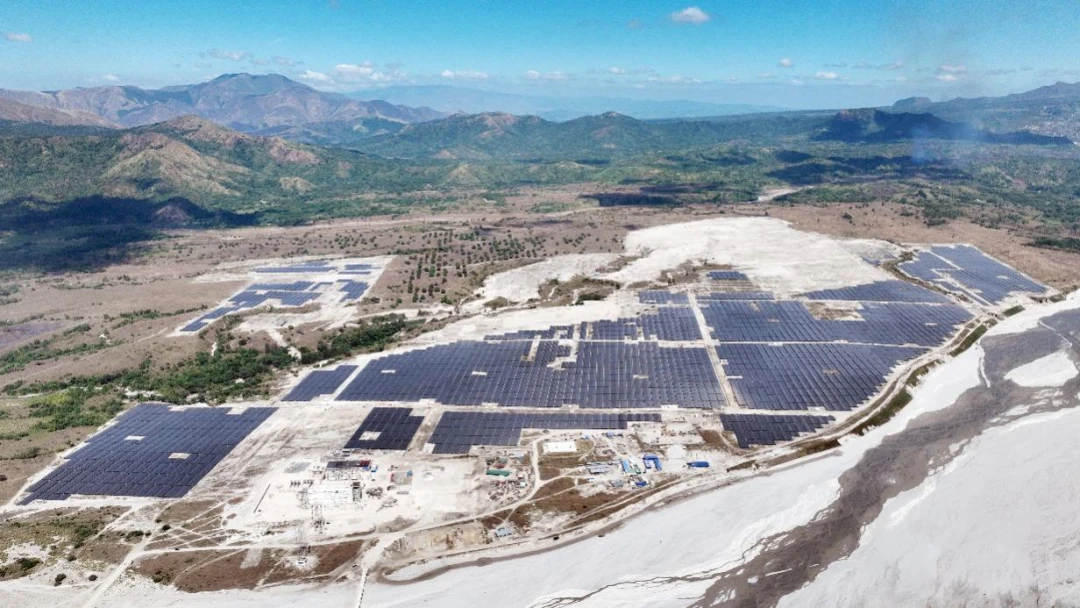
According to the Cambodia Energy Master Plan (2022-2040), the installed capacity of solar power plants in Cambodia will increase from the existing 432 MW to 1,000 MW in 2030, and to 3,155 MW in 2040. The installed capacity of domestic hydropower stations will increase from the current 1,330 MW to 1,560 MW in 2030 and 3,000 MW in 2040. In 2030 and 2040, the installed capacity of biomass power plants will increase from the current 27 MW to 98 MW and 198 MW respectively.
In addition, the Cambodian government will start investing in solar energy storage systems (BESS) in 2025, with a battery storage capacity of 20 MW, and further increase to 200 MW and 420 MW in 2030 and 2040. Editor/Xu Shengpeng
Comment




 Praise
 Collect
 Comment

 Share
Share


Write something~