 Search


- The LionLink cross-border power transmission project will be jointly developed by State Grid Ventures and TenneT
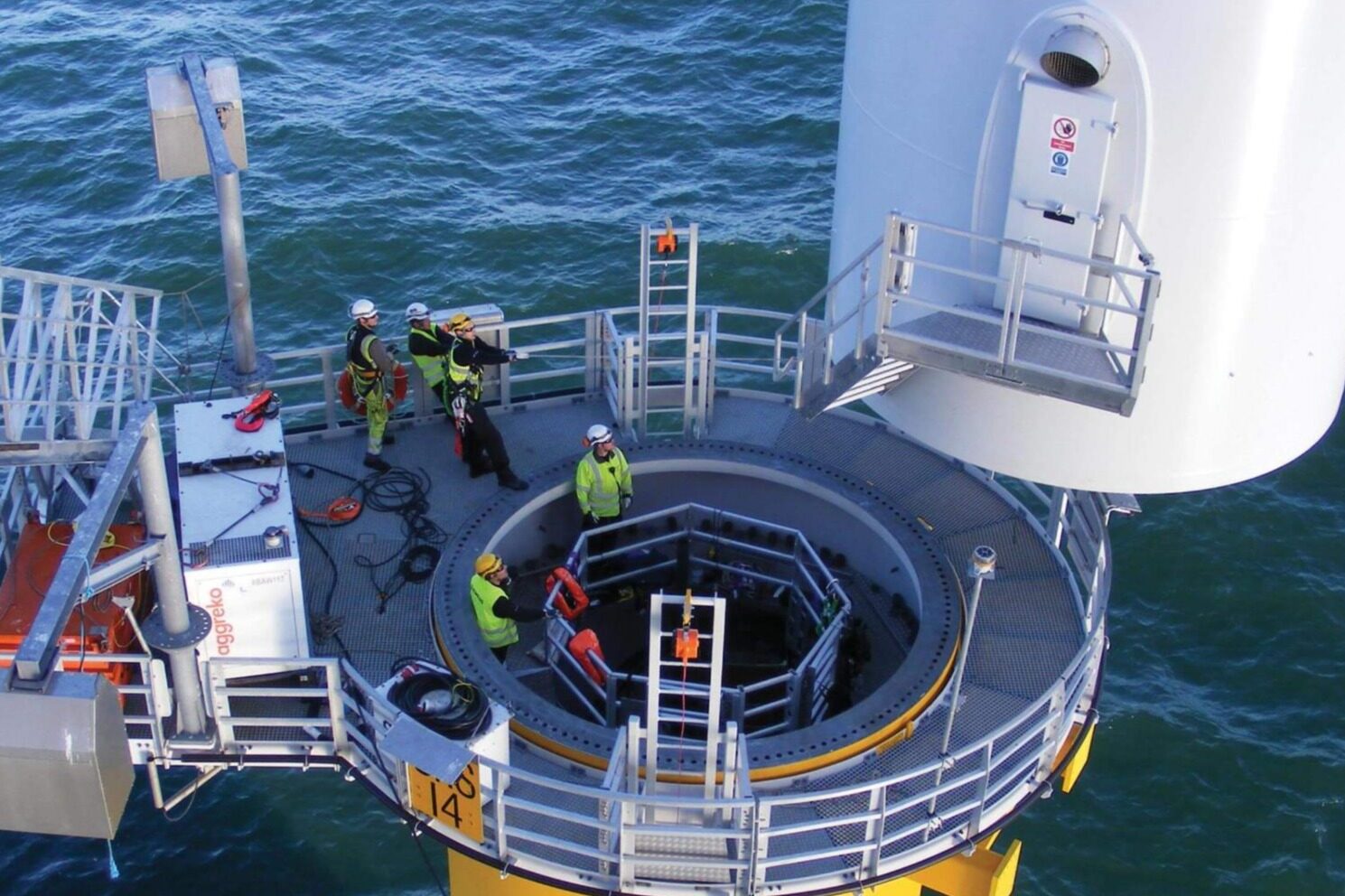
The UK government has announced a new transmission project called LionLink, which will be laid under the North Sea to link the UK and the Netherlands to offshore wind farms. According to the UK Department for Energy Security and Net Zero, the multipurpose power lines will carry 1.8GW of electricity.
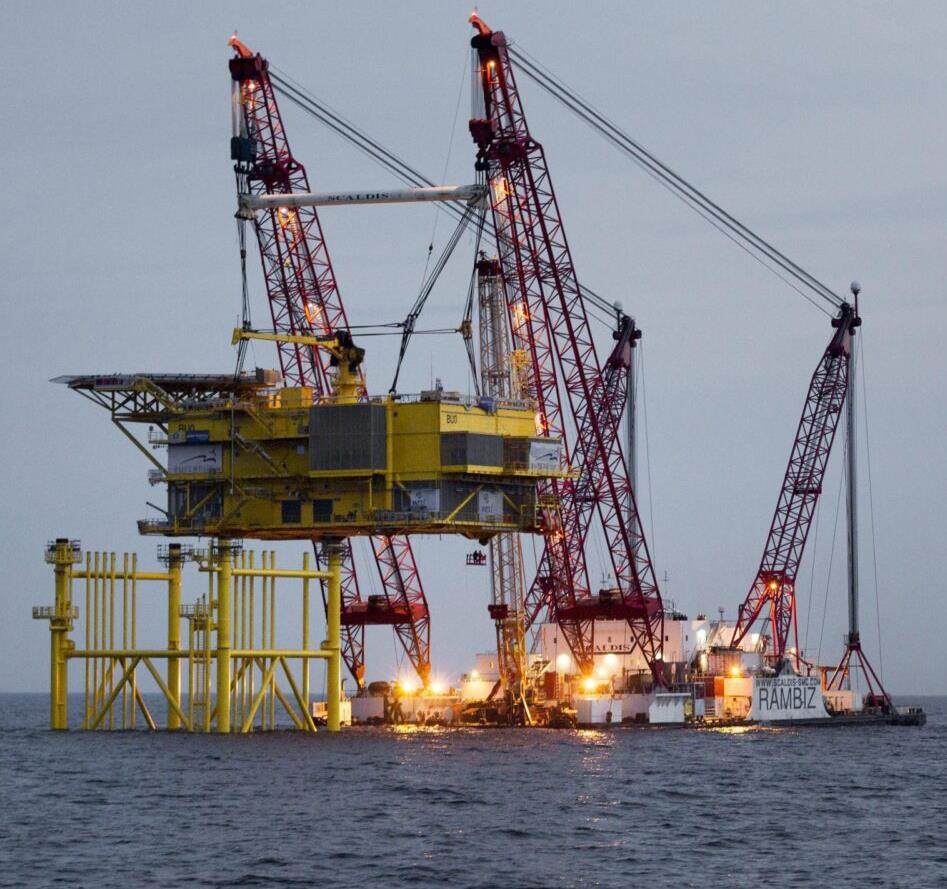
The power interconnector will be developed by UK-based National Grid Ventures and Dutch transmission system operator TenneT. It is expected to come online in the early 2030s. It has been listed as a major project of the North Sea Energy Declaration. The interconnector plans to connect Dutch wind farms to grids in the Netherlands and the UK via subsea high-voltage cables.
Claimed to be the world's largest multi-purpose power line, the LionLink interconnector is expected to strengthen the UK's energy supply by providing enough power for 1.8 million homes. The new cross-border power line is expected to be the second of its kind in the world. Compared to the 400 MW Kassø-Frøslev, the first transmission line of its kind to be laid in Germany and Denmark, LionLink will be able to deliver four times more power than its predecessor.
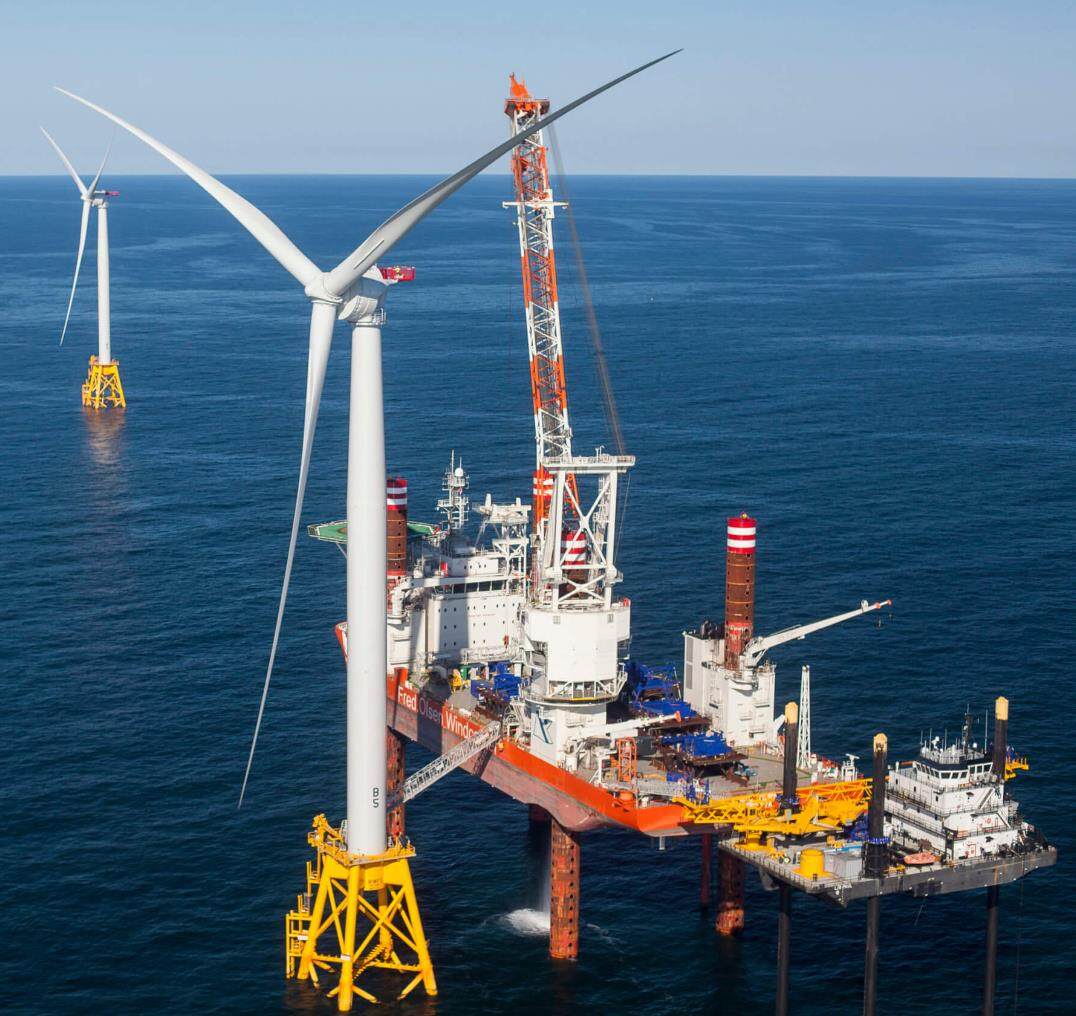
UK Energy Security Secretary Grant Shapps said: "Today's historic agreement with the Netherlands links our two countries through this exciting feat of innovation and engineering, the largest of its kind in the world, which will provide More homes than Manchester and Birmingham provide enough electricity to combine. With our strong relations with our Nordic neighbors united today at the North Sea summit, we are strengthening our energy security and sending a strong signal to Putin's Russia that his days of dominating global electricity markets are over.
Under the terms of the development agreement announced by TenneT and National Grid Ventures, the parties will conduct research at home and abroad. This includes further analysis of existing developments and proposals as part of an integrated European grid.
The development phase is expected to lead to a final investment decision around 2025, TenneT said. Manon van Beek, CEO of TenneT, said: “We firmly believe that offshore hubs deployed in a mesh DC grid must form the backbone of North Sea power plants. It's a view that's increasingly shared, and for us it's more than just a vision of the future. In fact, we're doing just that now with the launch of this groundbreaking LionLink project.Editor/XingWentao
Comment



 Praise
 Collect
 Comment

 Share
Share


Write something~