 Search


- From January to April 2023, China's new installed capacity of wind power and solar energy will reach 62.5GW
- China's planned 126GW of coal capacity additions more than offset the combined reductions in coal production in the rest of the world
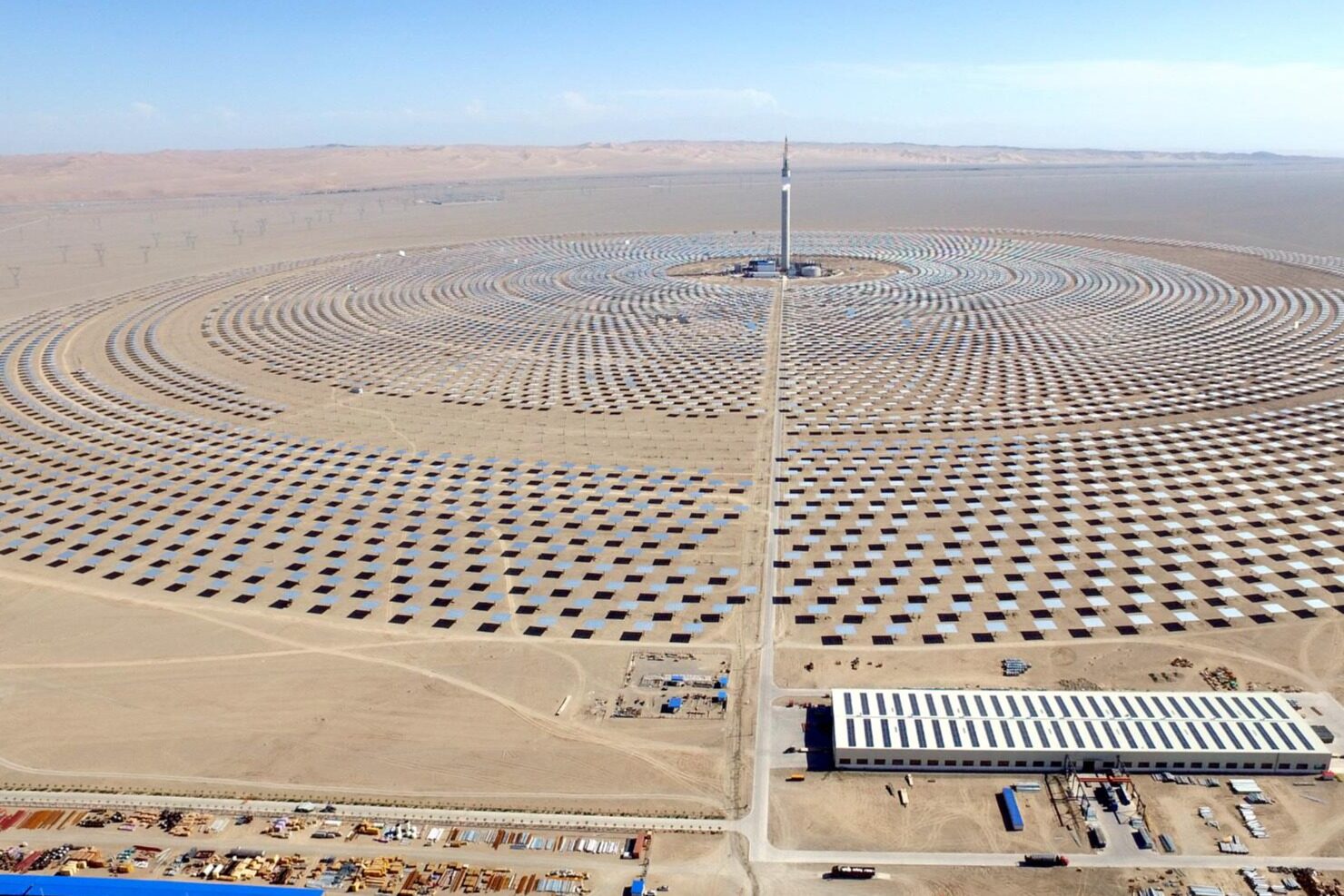
As of the end of April, China's installed wind and solar power generation capacity reached 820GW, accounting for 31% of the country's total installed power generation capacity. Of the 31% of total renewable energy capacity, 14% came from wind power and 17% from solar. From January to April 2023, my country's newly installed capacity of wind power and solar energy will be 62.5GW, accounting for 74% of all new power generation.
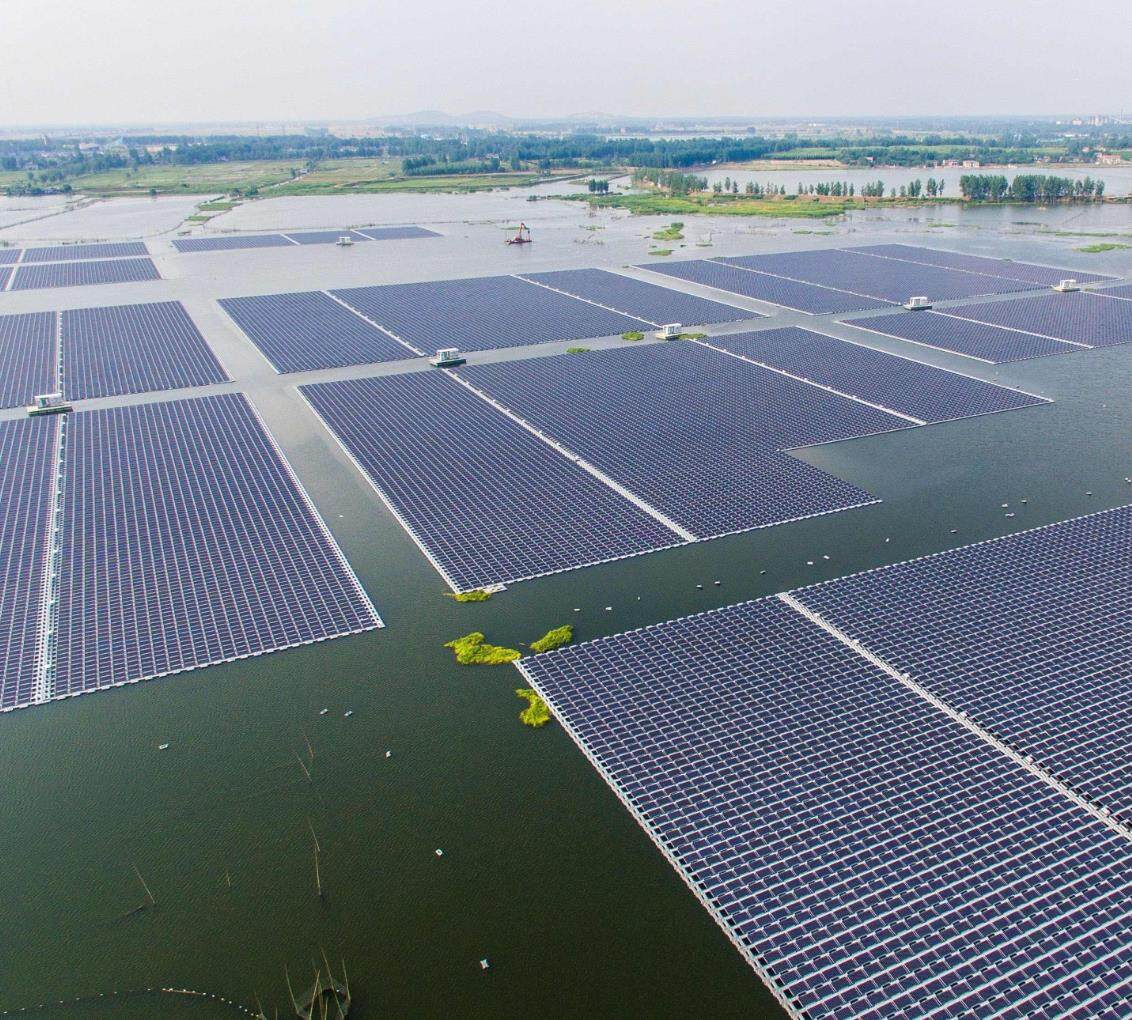
Among the new installed capacity in 2023, 14.2GW of wind power and 48GW of solar power will account for 16.8% and 57.2% of all new installed capacity respectively. This represents an 11.5% year-on-year increase in renewable energy installations. However, growth in China's renewable energy production has been largely offset by the country's ongoing relationship with coal. Last month, a survey by Global Energy Monitor found that China's planned 126GW of coal capacity additions more than offset coal production cuts in the rest of the world combined, with more than half of the new coal capacity additions coming on stream at Chinese plants.
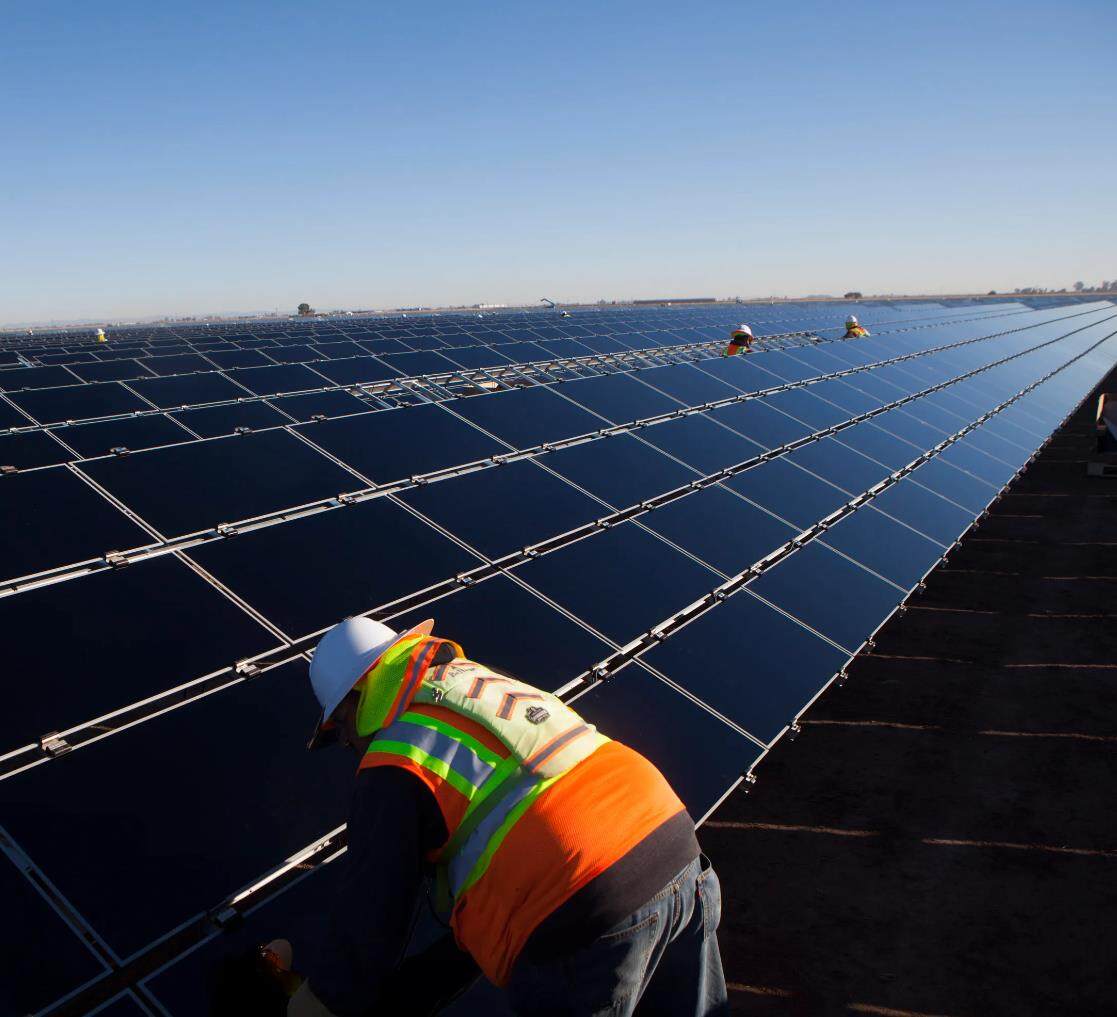
In its report, GEM said that to meet global climate goals and maintain the 1.5°C global warming scenario set out in the Paris Agreement, the rate of decommissioning of coal-fired power plants must increase four and a half times the current global rate. The country also increased coal imports in 2023. In March, imports were up 151% from the same period in 2022. In the first quarter of this year, China imported almost twice as much coal as in the first quarter of 2022, largely due to the lifting of a years-long trade ban with Australia. China has also increased imports of Russian oil since its invasion of Ukraine, taking advantage of discounted oil prices as Moscow seeks to divert its supplies away from Europe under EU sanctions.
China also imports Russian gas through the Power of Siberia pipeline, which was launched in 2019 and is expected to reach a maximum capacity of 38 billion cubic meters per year by 2024.
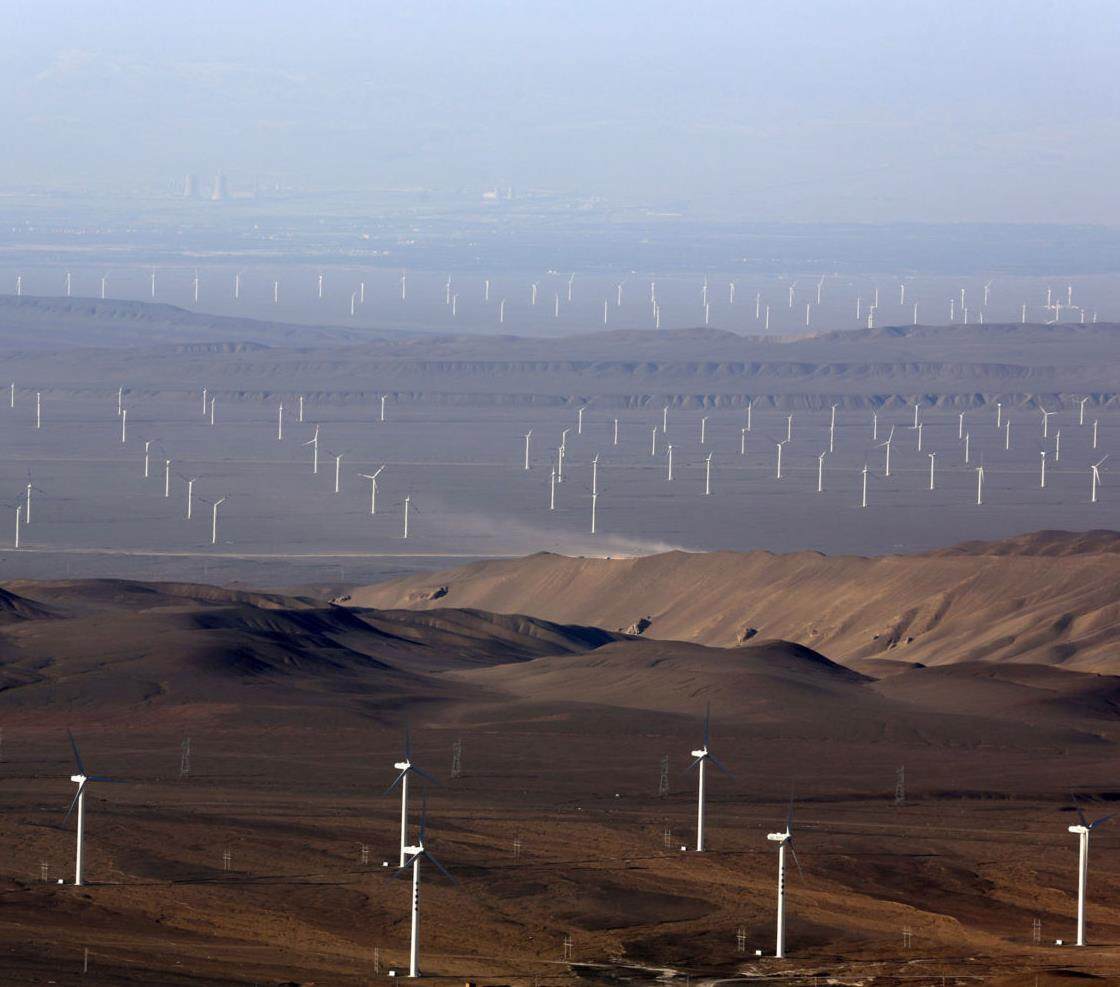
China and Russia are negotiating the proposed Power of Siberia 2 gas pipeline project. The pipeline was conceived more than a decade ago as a way to change the flow of energy across Asia. Following a recent visit by Russian Prime Minister Mikhail Mishustin, Beijing remains hesitant to fully commit to the project, which will build a gas pipeline from Siberia's Yamal peninsula to China.Editor/XingWentao
Comment


 Praise
 Collect
 Comment

 Share
Share


Write something~