 Search


- South Africa needs to add 50 to 60Gw of renewable energy by 2030
- South Africa has committed to reducing carbon emissions to a target range of 350 million tonnes to 420 million tonnes of carbon dioxide equivalent by 2030
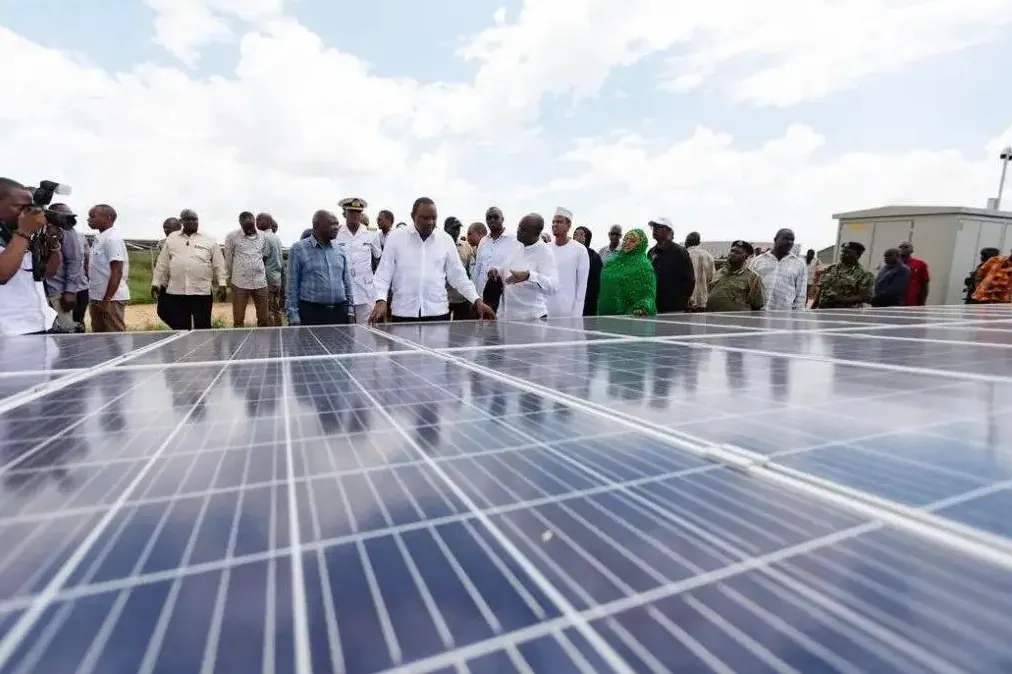
The Global Energy Transition is witnessing amazing progress in renewable energy. South Africa is currently rolling out solar and wind power to increase the share of solar and wind in South Africa's energy mix from 7% to 40% by 2030 as the fastest way out of the electricity crisis, according to the South African Presidential Climate Commission (PCC) on June 2, 2023. It is also the cheapest option to build the energy sector South Africa needs to stick to its global climate commitments.
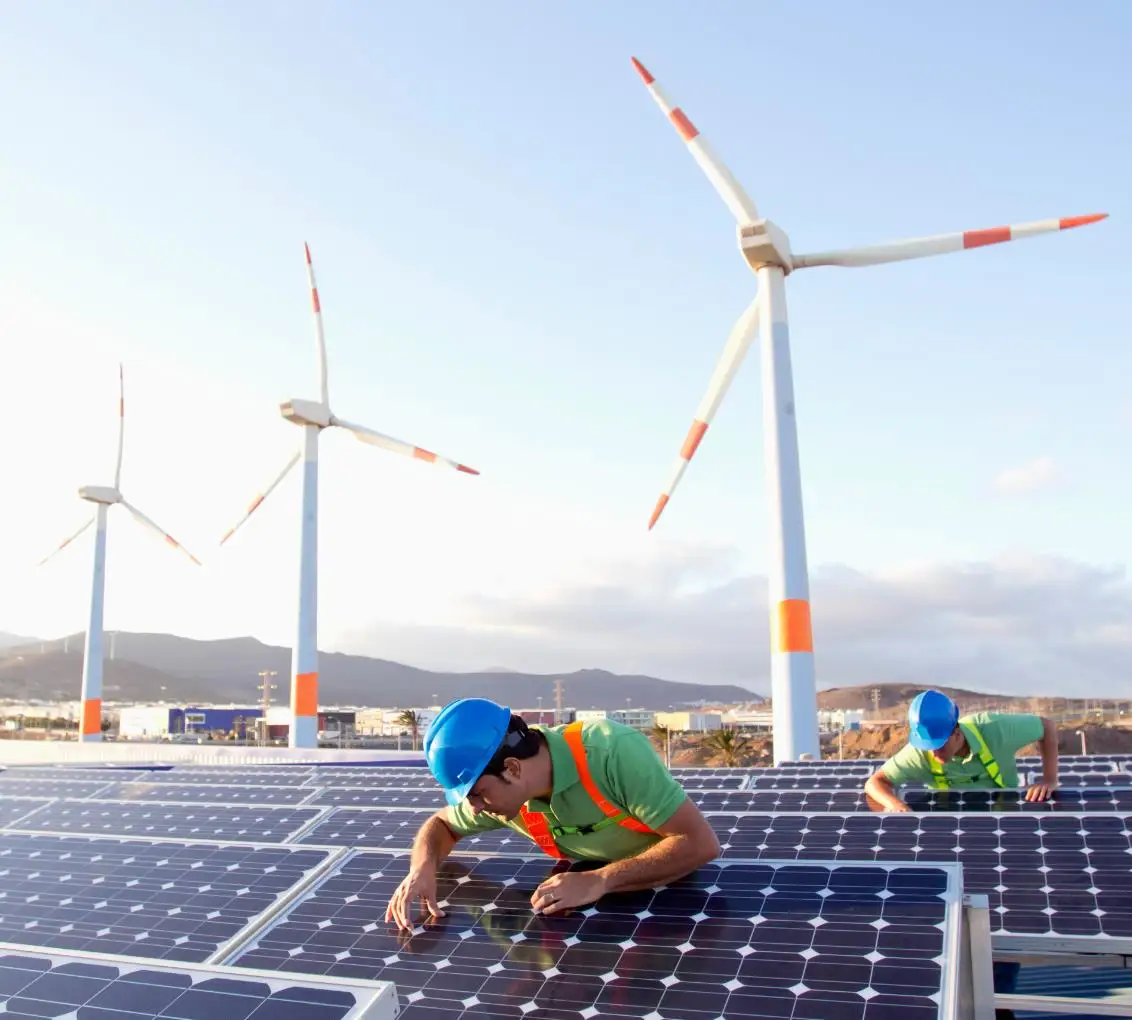
The PCC, which was set up by President Cyril Ramaphosa in 2020 to advise on issues such as a just energy transition, released a set of recommendations on electricity planning in South Africa on June 1. The PCC said South Africa aimed to solve its power crisis by integrating at least 8GW of wind and solar power into the grid annually over the next two to four years. About 2.5GW of new renewable energy projects are now registered with South Africa's national energy regulator. Experience shows that this target is achievable in the first three months of 2023. Ultimately, South Africa will need to add 50 to 60Gw of renewable energy by 2030. Steve Nicholls, head of mitigation issues at the PCC and climate change adviser at the National Business Initiative, said this would take the share of renewables in South Africa's energy mix to about 40 per cent. According to the Council for Scientific and Industrial Research, coal-fired power will account for around 80% of electricity generation by 2022, with renewables (excluding hydropower) accounting for 7%.
The PCC drafted the recommendations in response to comments from the Ministry of Mineral Resources and Energy on the revision of the 2019 Integrated Resource Plan (IRP), which the ministry intends to present to Cabinet in the second half of 2023. IRP2019 sets out South Africa's electricity procurement plan to 2030, which calls for the decommissioning of about 12GW of coal-fired generation by 2030 and the expansion of 18GW of private sector-led renewables within the same timeframe, but the PCC's recommendations suggest that 18GW of renewables will not meet South Africa's energy needs by 2030. In its recommendations for the revised plan, the PCC called for IRPs to be able to maximise the use of renewable energy from the grid.
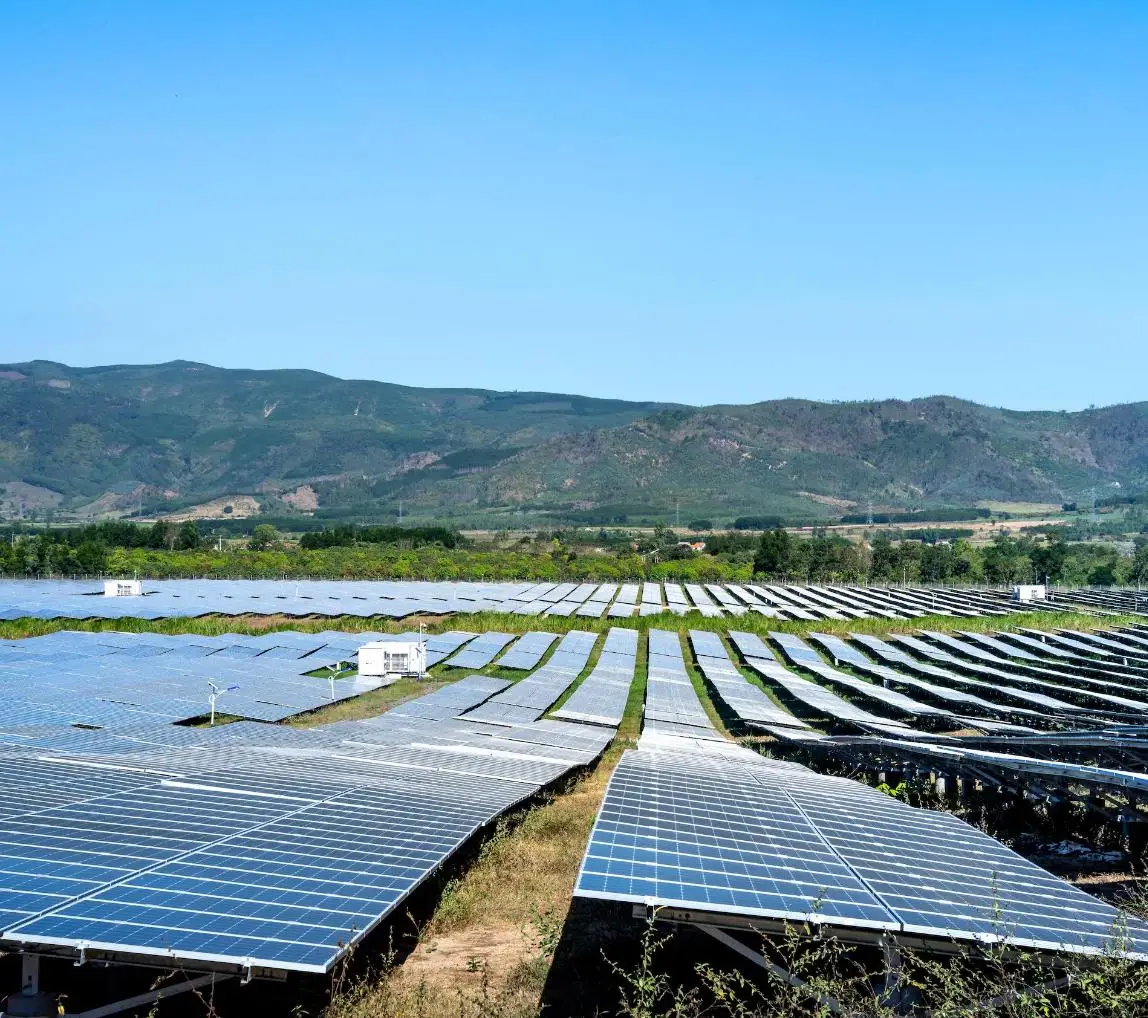
The PCC commented on the South African government's plan to extend the life of old coal-fired power stations as an emergency measure to plug the growing power supply gap, and said that in light of the immediate energy crisis in South Africa, postponing the decommissioning date of retired coal, coal-fired power stations in the next year or two would not have a significant impact on South Africa's climate commitments. However, extending the closure of coal plants by more than two years would put South Africa's ability to meet its carbon reduction targets at risk.
In its revised Intended Nationally Determined Contribution (NDC) presented at the international climate change conference COP26, South Africa committed to reducing carbon emissions to a target range of 350 million to 420 million tonnes of CO2 equivalent by 2030, targeting a reduction of about 20-33% in current CO2 emissions.
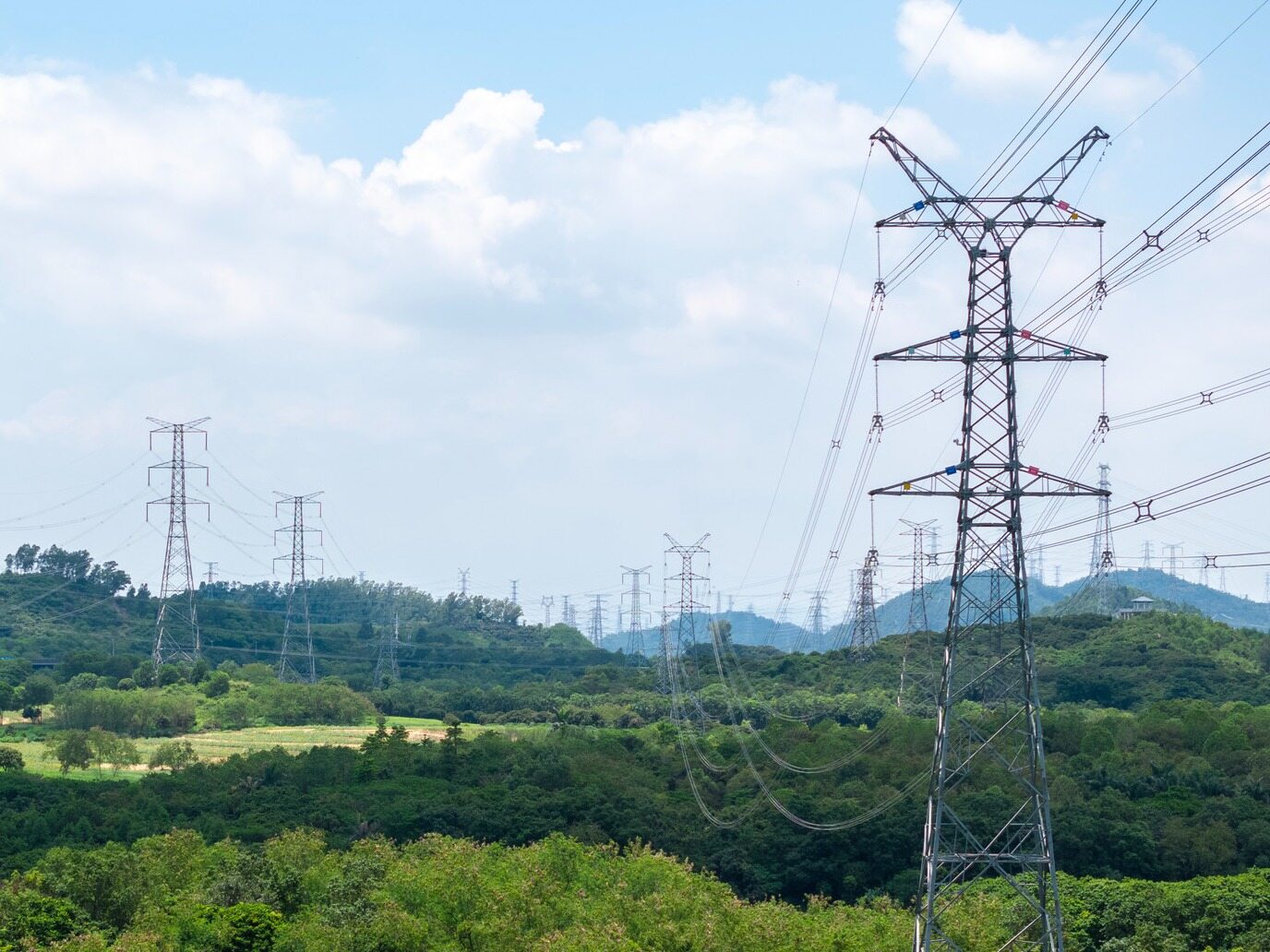
Nicholls said implementing the PCC's electricity planning recommendations would put South Africa on track to meet the NDC's requirements. And one of the biggest constraints to accelerating the spread of renewable energy is the current restrictions on grid access in some parts of South Africa. To meet the 50GW to 60GW renewable energy target, South Africa must implement Eskom's transmission development plan, under which 100 new substations and 8,500km of transmission lines will need to be built at a cost of about R130bn by 2030. The PCC has yet to receive a formal response from the government on these proposals. Editor/Xu Shengpeng
Comment





 Praise
 Collect
 Comment

 Share
Share


Write something~