 Search


- China has a total of nine sub-bases for 14 or 15 large clean energy companies
- They are basically located in the western part of China and can be divided into three regions
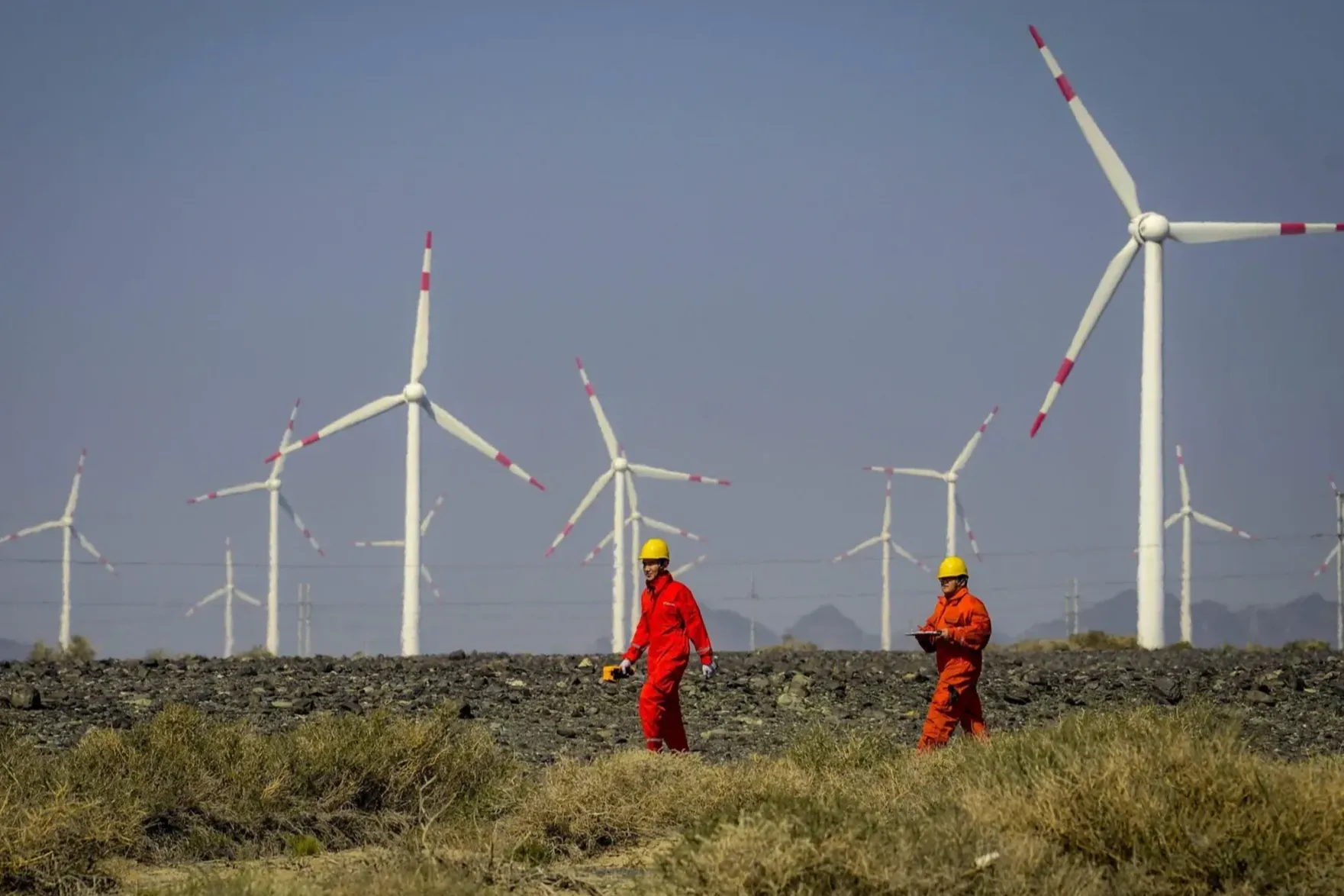
Human beings live on the surface of the earth, can also be said to live in the natural geographical environment, the development of human society, all the time and the natural environment have a close relationship. On the one hand, we human beings to the natural environment to obtain all kinds of substances and energy, on the other hand, we human beings and all kinds of waste discharged into the natural environment. In the course of human development, the relationship between man and earth is also changing constantly. With the development of science and technology, the relationship between man and Earth is becoming more and more complicated.
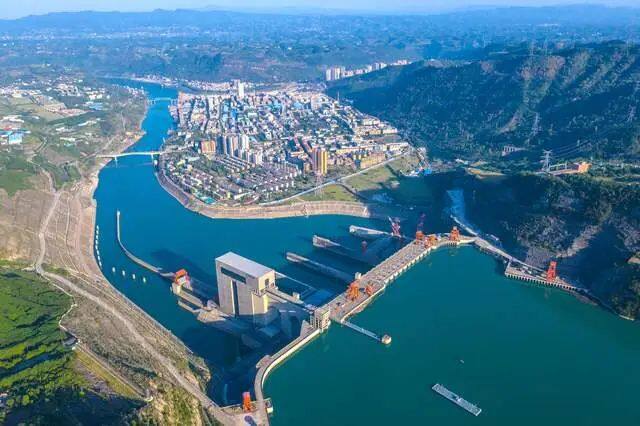
In terms of energy resources, how to obtain more energy from nature to meet the needs of human development, while minimizing the damage to the natural environment, may be an important issue for human beings at present. The era of human use of energy has been from the wood era, the coal era and the oil era, gradually to the new energy era, with the promotion and popularization of electric vehicles, electricity demand has also increased significantly, electric vehicles instead of fuel vehicles can reduce air pollution, but if the production process of electric energy will still pollute the environment, then it will not be able to achieve the purpose of environmental protection.
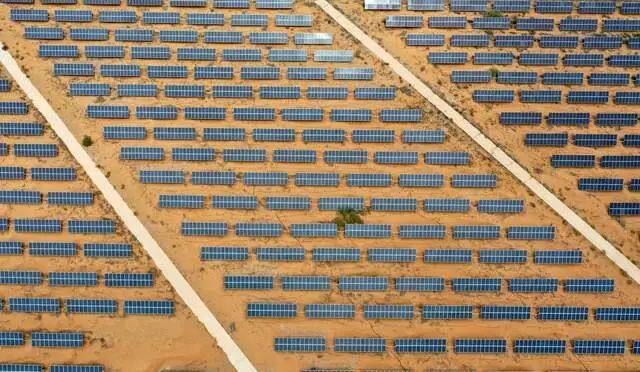
Photovoltaic arrays in the Tengger Desert in Zhongwei
To this end, China vigorously promotes the new energy power generation industry, and uses green electricity produced by clean energy to promote social and economic development. Below we take a look at the distribution of new energy in China from the layout diagram of the 14-15 large-scale clean energy bases. As far as power energy is concerned, clean power energy mainly includes hydropower, wind power (including onshore wind power and offshore wind power) and photovoltaic power generation methods. There are a total of nine sub-bases of China's 14 or 15 large clean energy sectors, which are basically located in the western region of China and can be divided into three regions.
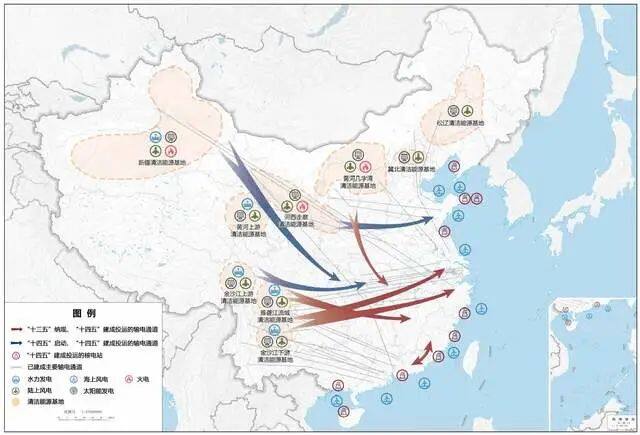
Layout diagram of the 145th large-scale clean energy base
The first large-scale clean energy distribution area is the northern energy base, including the Songliao clean energy base, the Northern Hebei Clean Energy base and the Yellow River Jiziwan Clean energy Base, mainly involving the provinces of Liaoning, Jilin, Heilongjiang, Hebei, Inner Mongolia, Shanxi, Shaanxi and Ningxia. From the perspective of power energy composition, mainly wind power and solar power generation, this region is close to the Asian high pressure, the source of winter wind, the northwest monsoon is strong, coupled with Inner Mongolia and other places flat terrain, vegetation is mainly steppe desert, less friction, wind energy resources are rich.
The second large-scale clean energy distribution area is the Northwest energy base, including the Hexi Corridor clean energy base, the upper Yellow River clean energy base and the Xinjiang clean energy base, mainly involving the provinces of Inner Mongolia, Ningxia, Gansu, Qinghai and Xinjiang. From the perspective of power energy composition, it is mainly hydropower, wind power and solar power. The upper reaches of the Yellow River, flowing through the first and second steps of China, have a large drop and rich water energy reserves. Northwest China, due to its deep inland, far away from the sea and closed terrain, is an arid and semi-arid region with a temperate continental climate, sunny days, abundant sunlight, abundant solar energy and abundant wind energy resources.
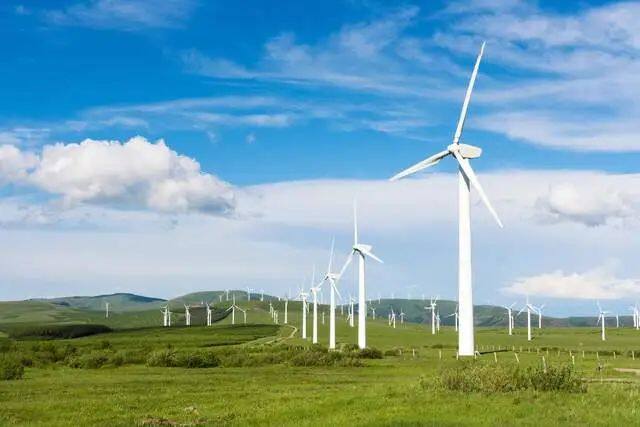
The third large-scale clean energy distribution area is the Southwest energy base, which includes the Upper Jinsha River Clean energy Base, the Yalong River clean energy Base, and the lower Jinsha River clean energy Base, mainly involving provinces such as Tibet, Sichuan, and Yunnan. In terms of the composition of electric power, it is mainly hydropower, wind power and solar power generation. This region is located at the junction of the first and second echelons of China, with a large terrain drop. Influenced by the southeast monsoon and the southwest monsoon, this region has abundant rainfall, thus developing many rivers such as the Jinsha River and Yalong River. Editor/Xu Shengpeng
Comment


 1
1
 Collect
 Comment

 Share
Share


Write something~