 Search


- Solar parks will help achieve sustainable economic development for Bahrain and its citizens
- Gulf Cooperation Council countries are seeking to promote renewable energy production to reduce emissions and achieve net zero targets in the coming decades
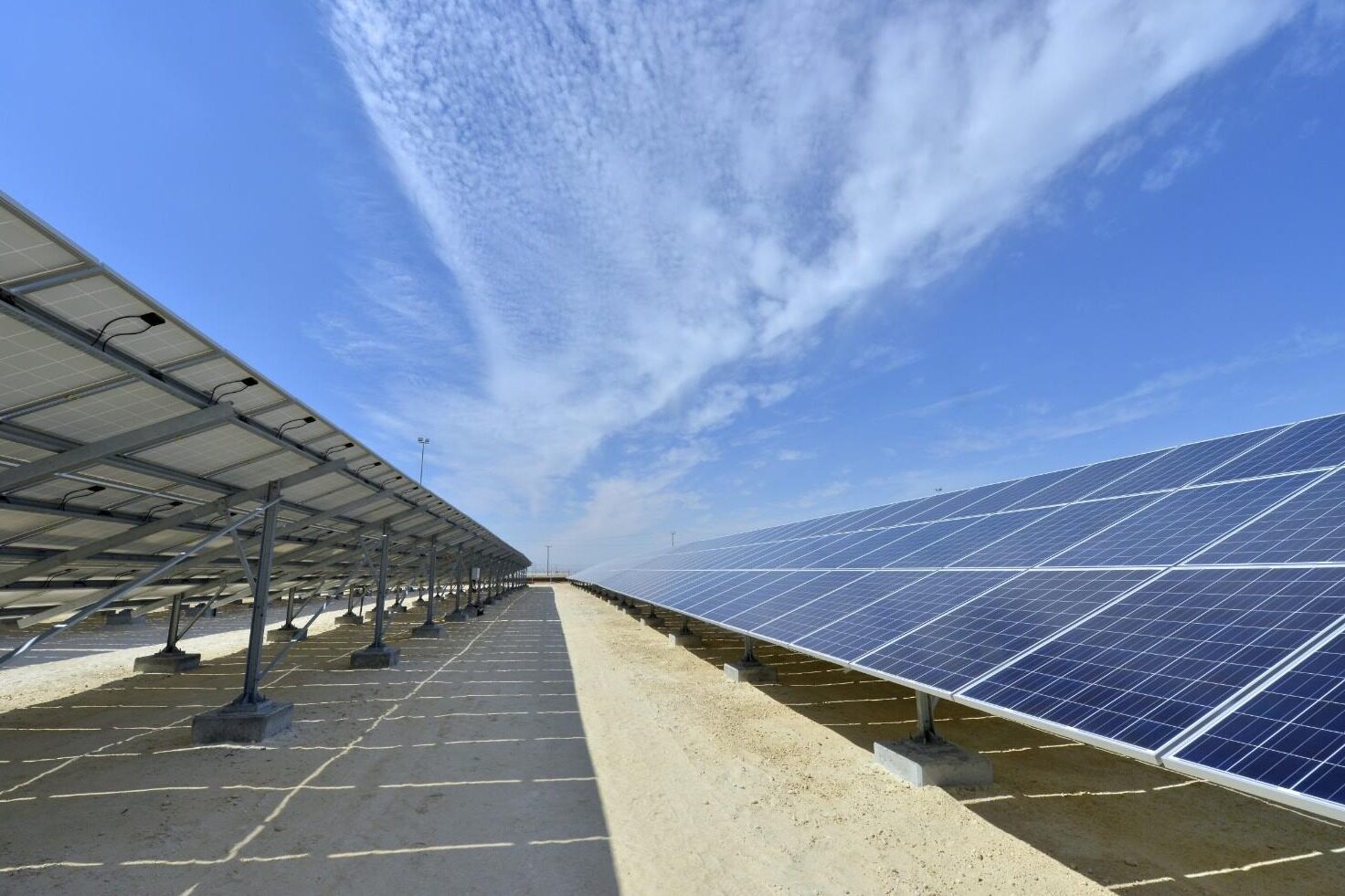
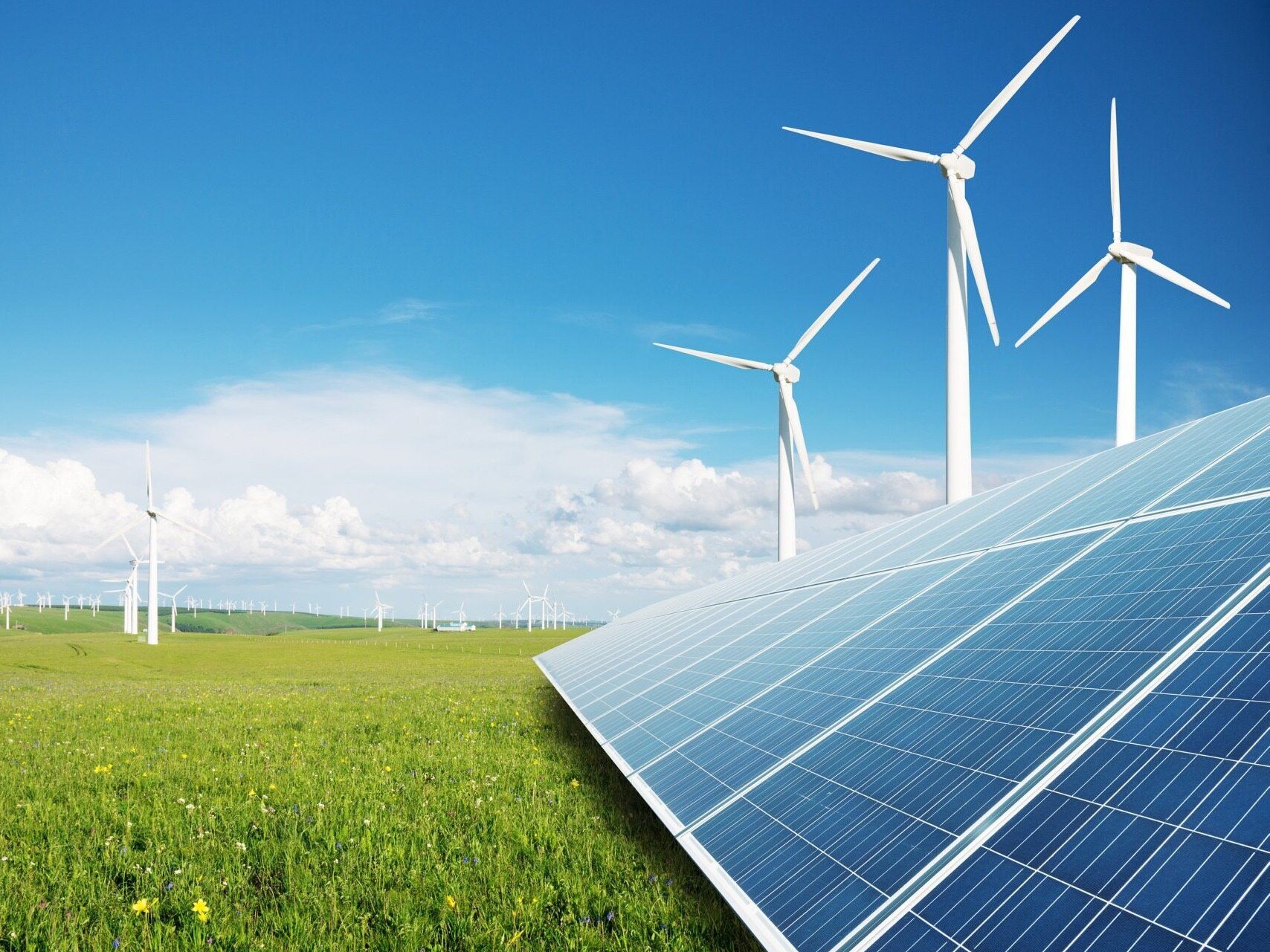
Bahrain has signed an agreement to establish a solar park project with a capacity of 72 megawatts, as the country hopes to achieve net zero emissions by 2060. This project is part of Bahrain's renewable energy plan, which aims to increase the share of clean energy in the country's electricity structure to 5% by 2025 and 20% by 2035.
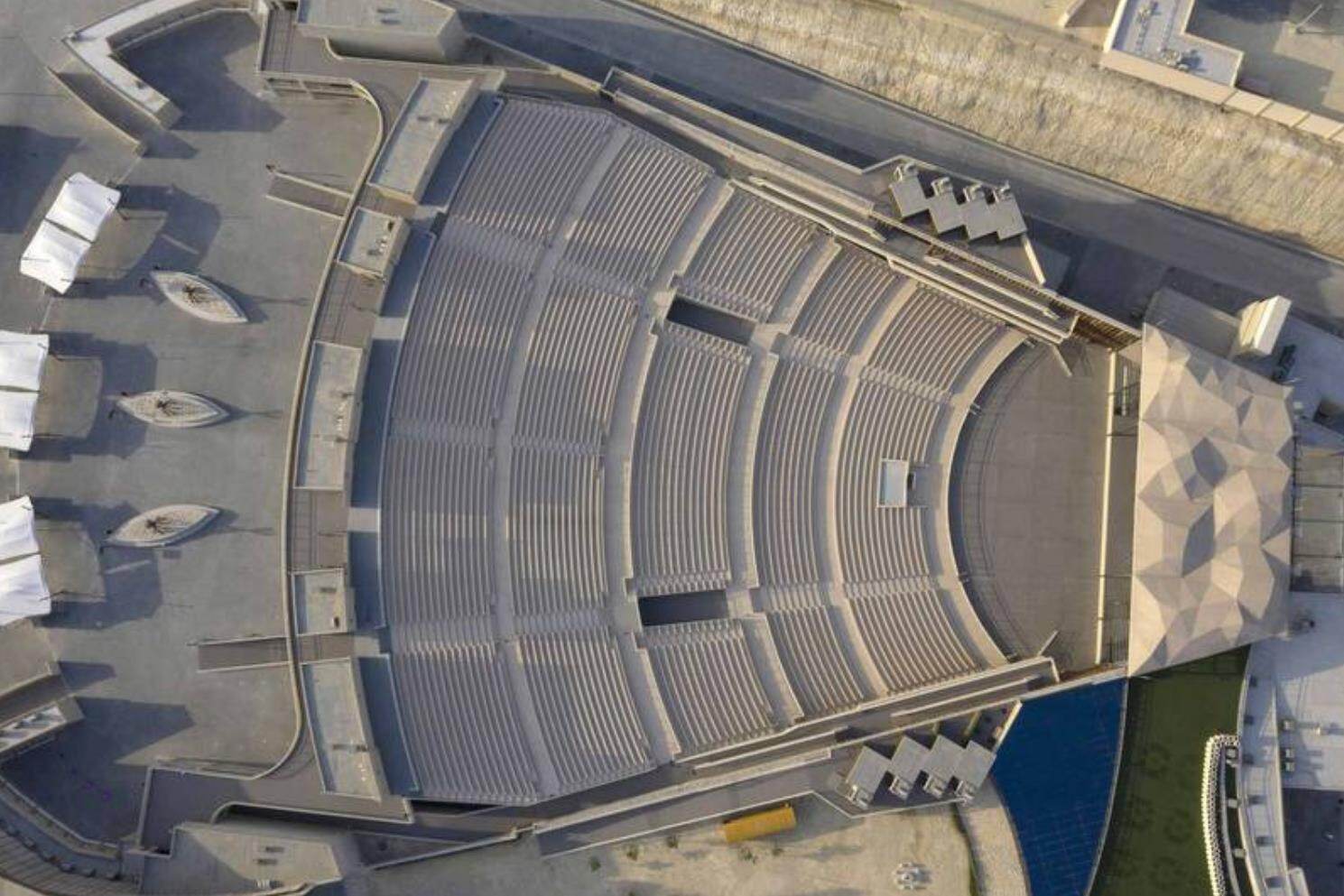
The solar photovoltaic project is located in the Sakir region of southern Bahrain and will include the rooftop and ground solar power generation systems of the Bahrain International Circuit, Bahrain University, Bahrain Exhibition World, and Al Dana Circus, as well as an electric vehicle charging station. Solar parks will help achieve sustainable economic development for Bahrain and its citizens, within the Kingdom's international commitments, "said Yasser Humaidin, Minister of Electricity and Water. Expanding the use of solar energy will help protect the environment and ensure resource sustainability.
Hu Maidan stated at an event in May that Bahrain is the smallest oil producing country in the Arab Gulf and is making "progress" in several areas as it aims to achieve a net zero target. We have contacted several large industrial emitters and implemented a continuous emission monitoring system that allows us to remotely, continuously, and in real-time monitor their emissions, "he said.
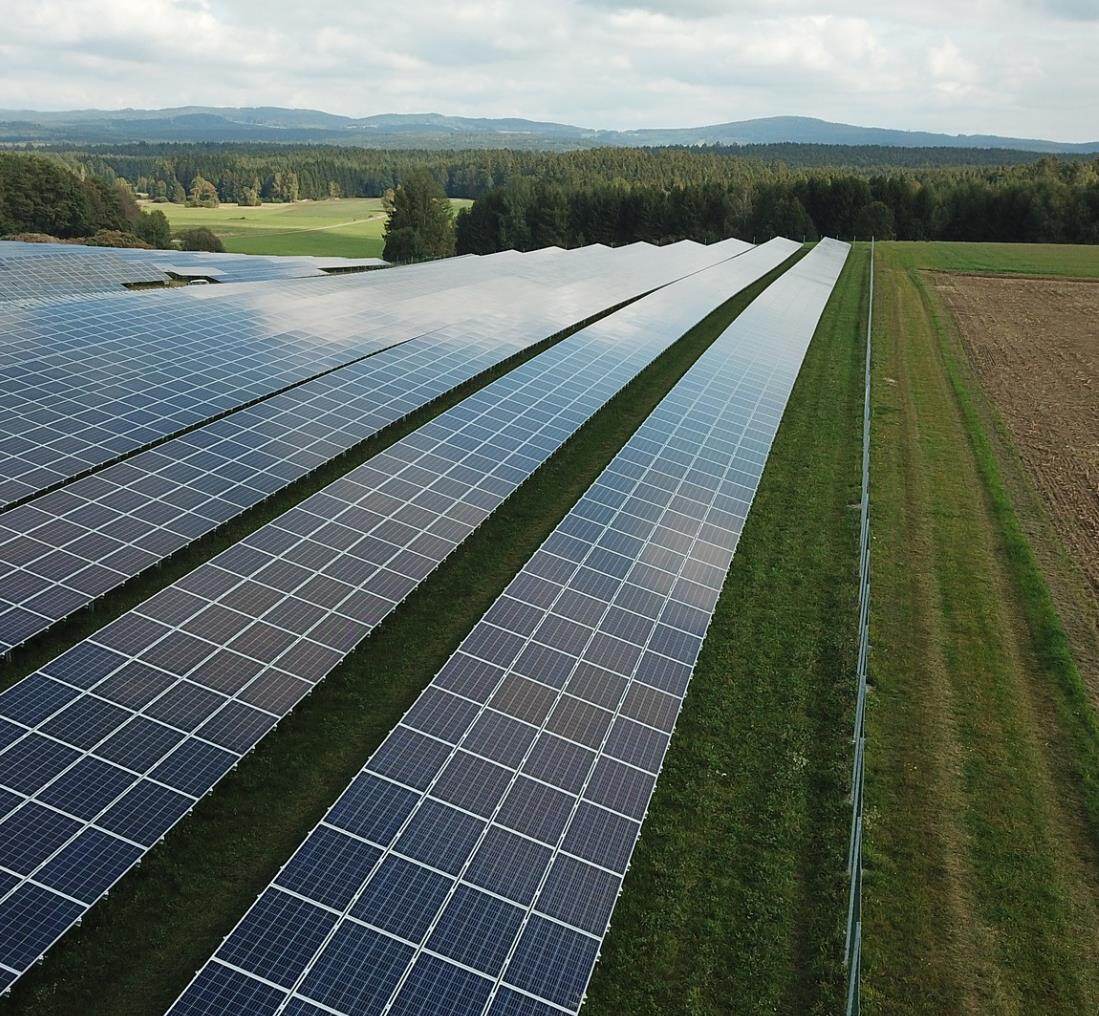
The United Arab Emirates is the second largest economy in the Arab world and is investing heavily in clean energy projects, announcing several measures to seek net zero emissions by 2050. The country is developing clean energy projects such as the Balaka nuclear power plant, a two gigawatt solar power plant in the Al Dhafra region of Abu Dhabi, and a five gigawatt Mohammed bin Rashid Al Maktoum solar park in Dubai.
Saudi Arabia is the largest economy in the Arab world, with the goal of achieving net zero emissions by 2060 and is developing several new renewable energy projects. According to data from the International Energy Agency, investment in clean energy in 2023 will reach $1.7 trillion, exceeding fossil fuel expenditures, as countries hope to address potential energy shortages. The Paris based institution stated in its May World Energy Investment Report that it expects global energy investment to reach $2.8 trillion in 2023, with over 60% going to clean technologies, including renewable energy, electric vehicles, nuclear power, and heat pumps.Editor/XingWentao
Comment


 Praise
 Collect
 Comment

 Share
Share


Write something~