 Search


- Despite the growing number of interested countries, the offshore wind supply chain remains highly concentrated
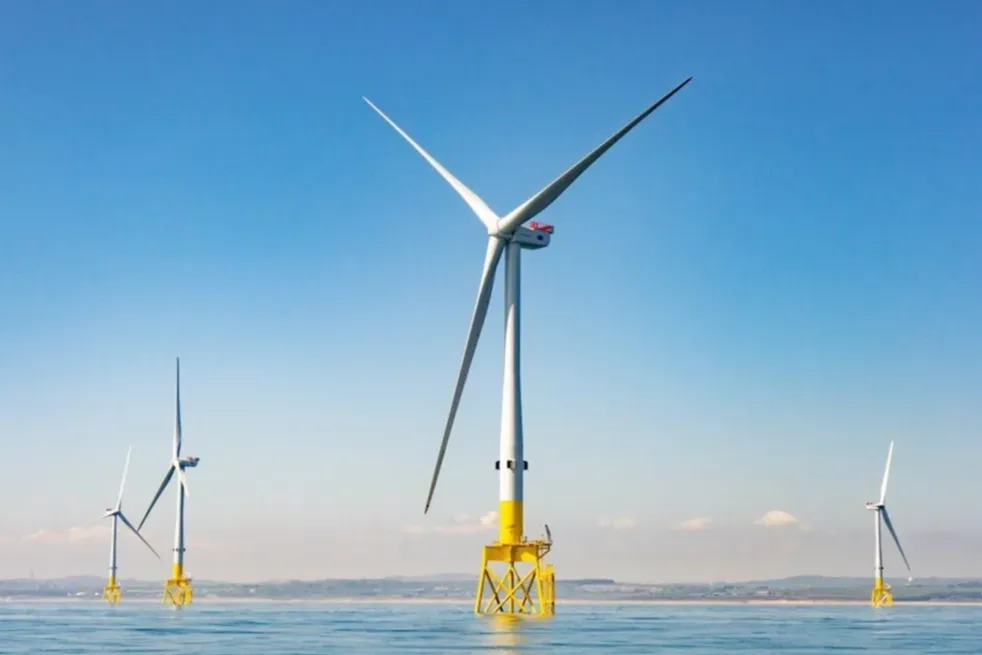
According to the Spanish "20 Minutes newspaper" website reported on October 31, the British "Financial Times" said at the end of last year that the competition to build giant wind turbines is dominated by China, and China's wind power industry is ahead of Europe.
In Spain, the pride of place is Siemens Gamesa's SG14-236 wind turbine, which has a 236 meter diameter impeller and a rated power of 14 megawatts, but it is still a "small fraction" of the new turbine to be launched by China's Mingyang Smart Energy Group.
Mingyang Group has announced plans to build a wind turbine with a peak output of 22 megawatts and an impeller diameter of more than 310 meters (the diameter of the impeller alone is almost as high as the Eiffel Tower).
The size of Mingyang's turbine will exceed that of the world's first 16 megawatt offshore wind turbine with a single blade length of 123 meters, which was successfully installed by China Three Gorges Corporation in June.
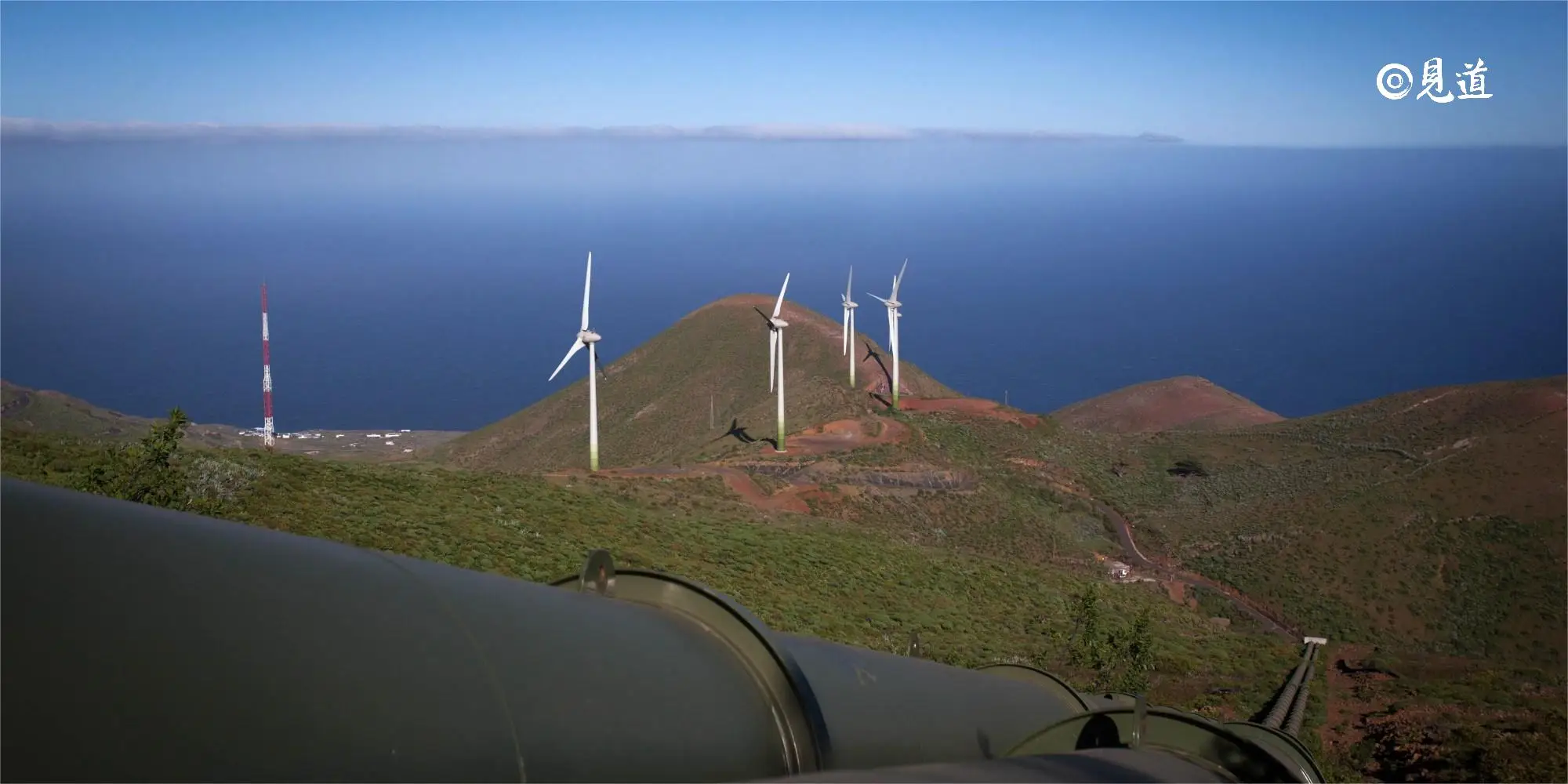
Mingyang Group announced that its 22 MW offshore wind turbine is expected to be completed between 2024 and 2025.
Giant turbines are extremely expensive to produce and transport, but why do we keep building bigger wind turbines? The reason companies develop these large systems is that they can generate the same amount of power with fewer installations than smaller systems, and by using more space, they eventually become more cost-effective.
They are usually installed offshore in order to take advantage of the strongest and most constant wind resources. In addition, because they are installed in the ocean rather than on land, geographical constraints for large turbines are reduced.
In addition, the American Diplomatic Scholar website published an article entitled "China's efforts to develop offshore wind energy" on October 31, said that although the development cost is higher than that of onshore energy, the offshore wind power industry is expected to develop rapidly in the next few years, and developers will increasingly look to floating offshore wind turbines.
The current offshore wind boom is reflected in record offshore wind order deals and the associated $26 billion in vessel purchases. Some major economies are driving this demand.
Despite the growing number of interested countries, the offshore wind supply chain remains highly concentrated, with the vast majority located in Europe and the Asia-Pacific region. In particular, China is rapidly expanding its installed capacity. The China Three Gorges Corporation, for example, is investing about $6.5 billion to build three offshore wind farms in Guangdong. In 2022, a pilot project to integrate offshore wind energy with other energy industries was launched in the Bohai Sea. These projects are not limited to economically developed coastal areas such as Guangdong and Qingdao, but are also being built in Guangxi, Liaoning and Hebei.
China already accounts for half of the world's installed offshore wind capacity. This growth has given Chinese offshore wind companies an advantage, allowing them to gain experience and build economies of scale faster than their foreign rivals.
The limited space on China's coastline is a disadvantage, with competing actors (e.g., fisheries, ports, etc.) competing for space to conduct their own business. This is not a problem unique to China; the United States and other countries also face similar problems.
The article goes on to say that local governments in China are keen to install offshore wind power in areas where it is available to boost the local economy. However, this can only be a temporary solution, the more permanent solution is the construction of floating offshore wind turbines in the deep sea. China has completed the world's first pilot project of typhoon-resistant floating offshore wind turbines and started construction of the world's largest floating offshore wind power project near Hainan Province.
Giant wind turbines require ships that can transport and install them. In 2022, the first Chinese-made "transportation + lifting" integrated far-reaching sea offshore wind power construction ship for wind turbines of more than 10 MW will be completed. Later, the number of installation vessels purchased by Chinese companies increased significantly, giving Chinese shipbuilders an advantage over their competitors.
China and South Korea have gained dominance in several segments of the global shipbuilding market. China's current offshore wind efforts could make offshore wind installation vessels just another product for the rest of the world to rely on China for. Editor/Xu Shengpeng
Comment






 Praise
 Collect
 Comment

 Share
Share


Write something~