 Search


- Chongqing has become a new center linking European and Southeast Asian markets with the help of China-Europe Railway Express
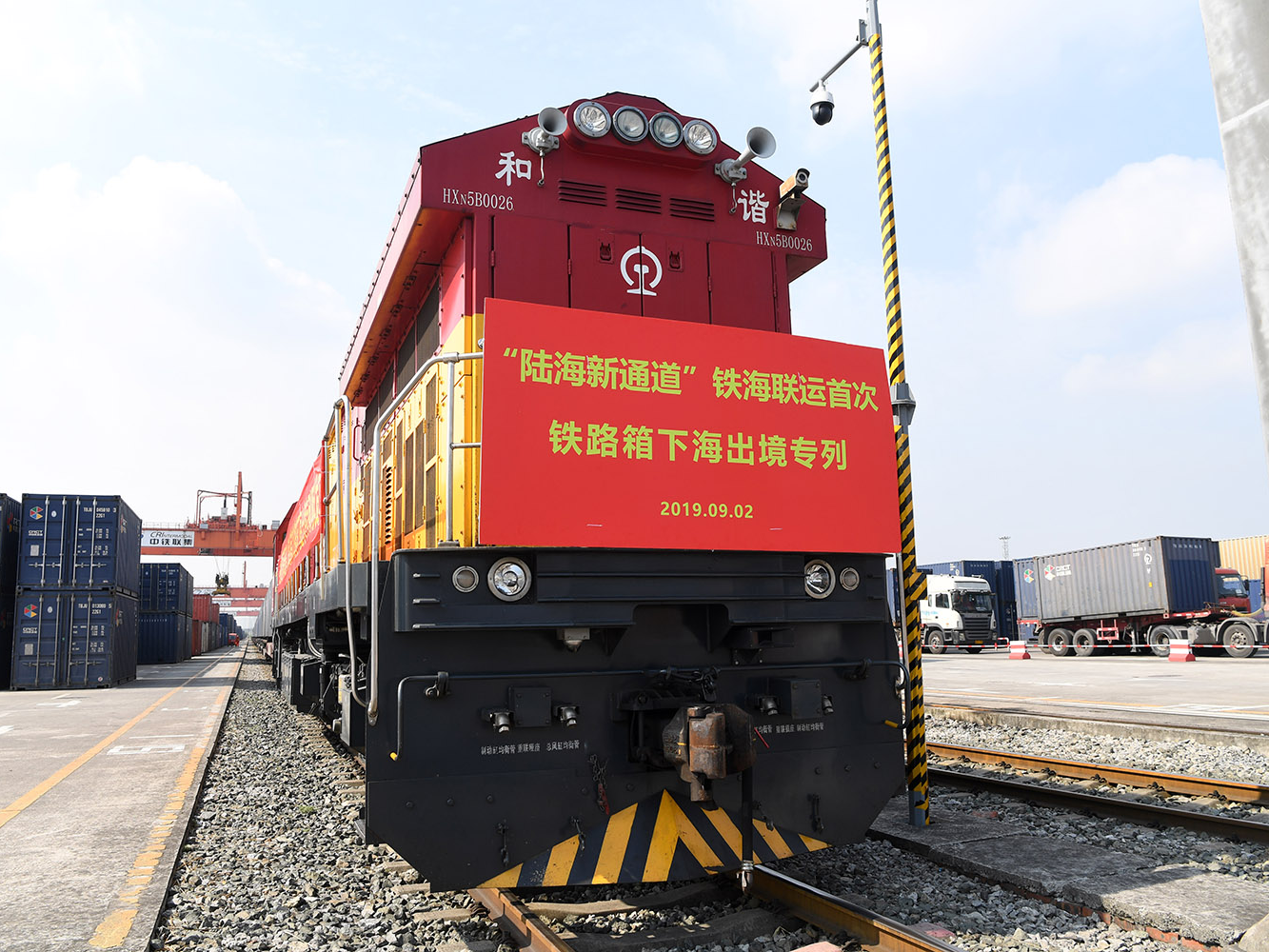
In 2010, Hewlett-Packard Group's comprehensive computer production base in Chongqing was completed and put into production. It was only the first step. How can the produced computers be easily delivered to the European market? This was one of the most serious problems that the HP Group faced at that time. Because Chongqing, which is in the hinterland of the inland, does not rely on the border or the sea, it is more than 2,000 kilometers away from the sea and the border.
Seeking to open a smooth, time-saving and low-cost international logistics channel is an urgent need for HP Group and the Chongqing Municipal Government. The Chongqing Municipal Government has joined the former Ministry of Railways and the General Administration of Customs to conduct multiple rounds of discussions with railway companies and customs in 6 countries along the route. After hard work, the southern line of the Eurasian Continental Bridge-the "Chongqing New Europe" train Officially opened.
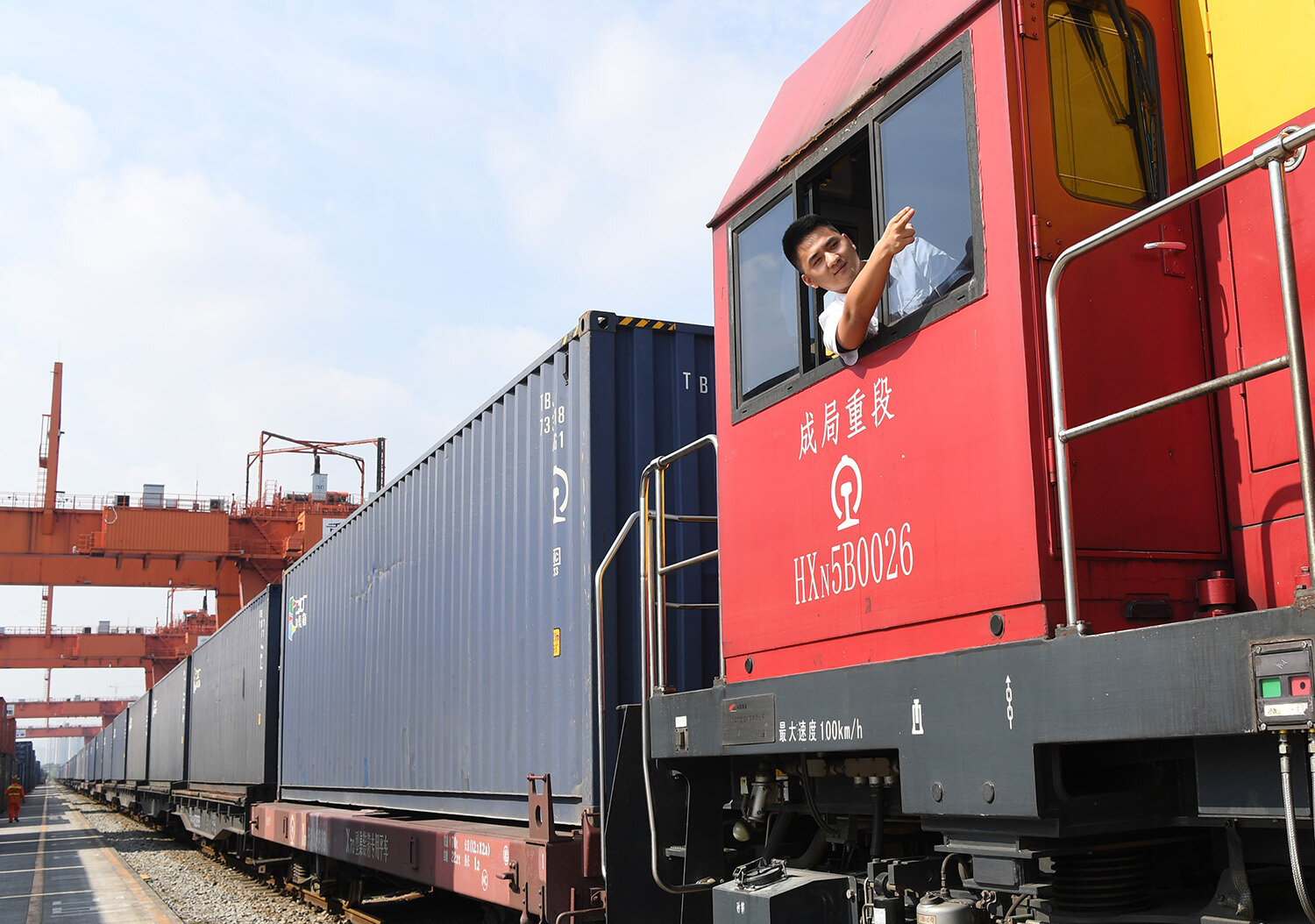
From the first line of the Yuxin-Europe China-Europe Express in 2011 to the present, under the drive of the China-Europe Express, Chongqing has been at the forefront of opening up to the world. The distance between Western China and the world has been greatly shortened due to the opening of the China-Europe Express. At the same time, it has rewritten the territory of Chongqing's opening to the outside world, accelerated the construction of Chongqing's inland international logistics hub, and strongly supported the construction of Chongqing's inland open highland.
Nowadays, Chongqing’s opening pattern is no longer a single westbound Yuxin-Europe train, but has initially established four major international logistics channel systems: east, west, south, and north.
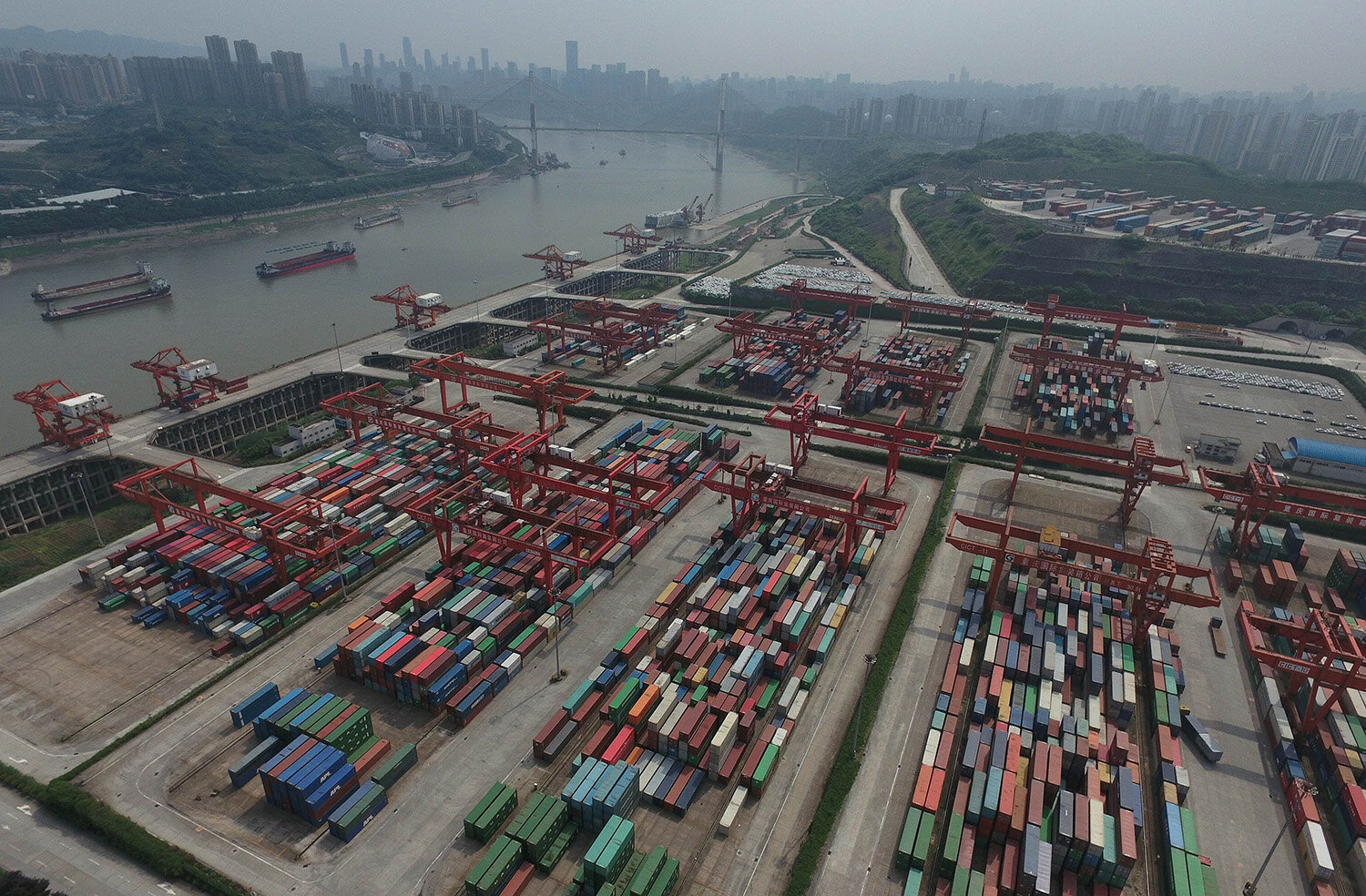
Chongqing connects the river to the sea to the east, and builds the largest container terminal on the upper reaches of the Yangtze River around the construction of a shipping center on the upper reaches of the Yangtze River. It broke the long-standing pattern of eastward passing through the golden waterway of the Yangtze River in Chongqing.
Chongqing connects with Europe to the west and enters the entire hinterland of Asia, Europe and Africa along the China-Pakistan Economic Corridor. It currently covers more than 20 countries in Europe, including Germany, Italy, and Poland, and more than 70 overseas assembly points.
Chongqing is directly connected to ASEAN to the south, with Chongqing as the operating center, and to the south via coastal ports such as the Beibu Gulf in Guangxi, to Southeast Asian countries such as Singapore, and then to the international shipping network.
Chongqing connects China and Russia to the north. Chongqing, Manchuria and Russia depart from Chongqing, travel north through Manzhouli, and cross Siberia to Moscow.
In the future, Chongqing will further promote the construction and development of major international logistics channels. A relevant person from the Chongqing Municipal Commission of Economy and Information Technology stated that “including actively opening up and improving the Chongqing, New Zealand, Europe and Uzbekistan Central Asia branch, the Iranian West Asia branch, the Pakistan and India South Asia branch, and the Turkish branch. Wait."
West out, Yuxin Europe Express
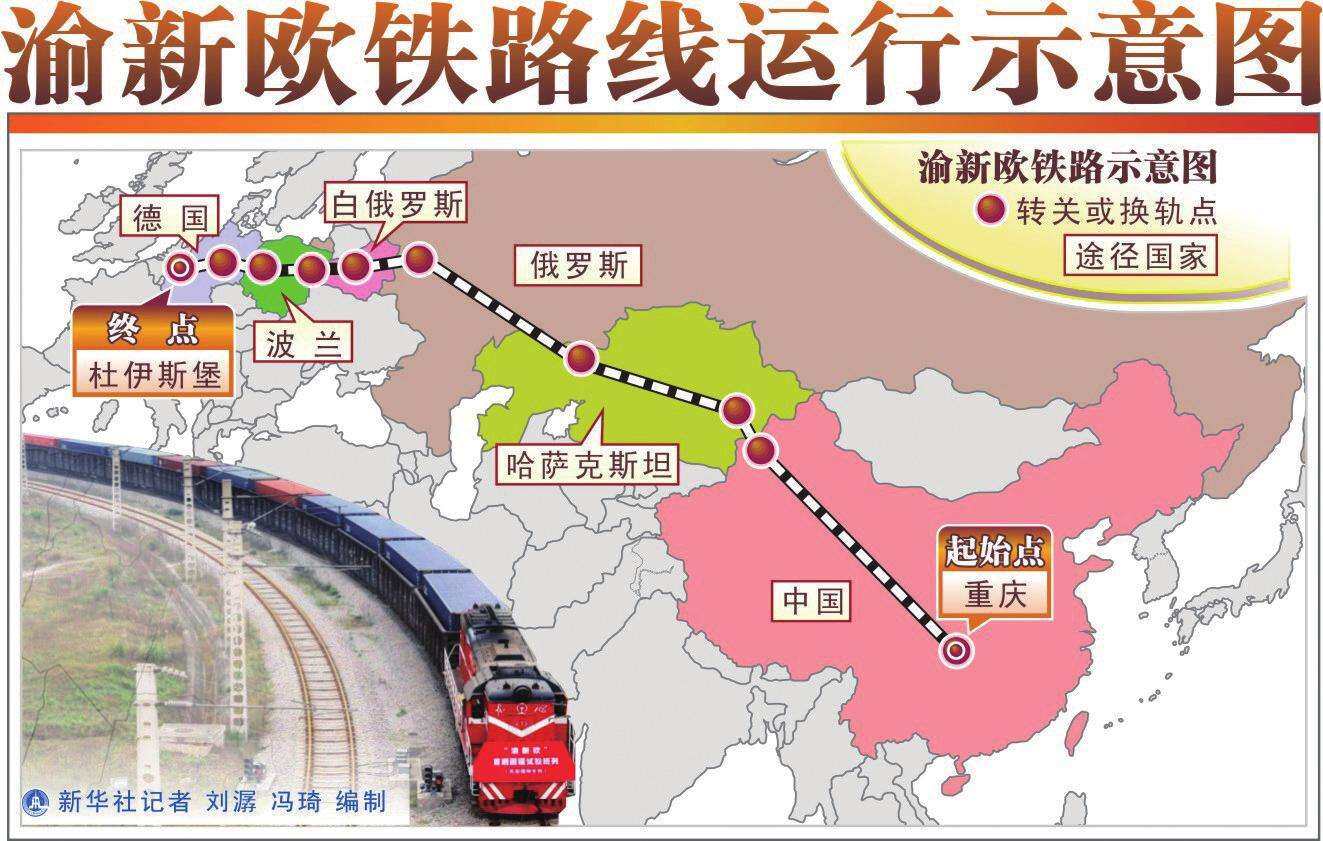
On March 19, 2011, a train full of laptops slowly departed from Chongqing Tuanjiecun Station and headed for Duisburg, Germany, more than 10,000 kilometers away. This train is Yuxin Europe. It is entrusted with the high hopes of connecting the Yangtze River Economic Belt and Europe. It has created a precedent for China's China-Europe Express. It has become the first to operate, the largest number, the largest transportation value, the widest range of radiation, and the most driving industry. Strong China-Europe train.
Yuxinou departs from Chongqing, passes through Lanzhou, Gansu, enters the Hexi Corridor, exits through Xinjiang (or Inner Mongolia), enters Kazakhstan, Russia, Belarus, Poland, and finally arrives at Duisburg, Germany. 11179 kilometers, passing through 6 countries, the time-consuming is one-third of the sea freight, and the cost is one-fifth of the air freight.
Central and Eastern Europe has always been Chongqing’s important international economic, trade and cultural exchanges and cooperation. Since its opening, Chongqing and New Zealand have further strengthened the cooperation between Chongqing and Central and Eastern European countries in the field of economic, trade and logistics. It can basically cover Poland through direct routes and station allocation. Most Central and Eastern European countries, such as Lithuania, Hungary, Slovakia, Czech Republic and Hungary, have also laid a solid foundation for friendly exchanges between Chongqing and Central and Eastern European countries.
In 2014, during the visit of Chinese President Xi Jinping to Germany, he witnessed the arrival of a train from Chongqing to Europe in Duisburg and said that China and Germany are located at the two ends of the Silk Road Economic Belt and are the two major economies and growth poles of Asia and Europe. It is also the starting point and ending point of the Yuxin-Europe Railway. The two countries should strengthen cooperation to advance the construction of the Silk Road Economic Belt.
As of July 22, 2020, Yuxinou has operated more than 1,000 trains in 2020, and the number of trains has increased by 12% year-on-year. Among them, more than 200 trains were opened in a single month in May and June, all of which set a record single month. Up to now, the total number of Yuxin-Europe trains has exceeded 4,700. The China-Europe train represented by Yuxinou has become a very representative business card for China and Germany to jointly build the Belt and Road.
From laptop trains to public trains with complete products
Chongqing car company Dongfeng Xiaokang began exporting commercial vehicles to Europe in 2008. In 2019, its passenger vehicles entered the German market, and previously they were mainly transported by sea. In April 2020, due to the obstruction of shipping, Dongfeng Xiaokang transported 100 ix5 coupe SUVs to Hafen in Bremen, Germany through the Yuxin-Europe train for the first time.
Compared with sea transportation, the main railway is much faster. Since then, Dongfeng Xiaokang has gradually turned the sea into transportation via the China-Europe Express. According to them, the epidemic is only one reason, and on the other hand, Yuxinou is more efficient. For example, it will take one and a half months for the whole vehicle to be shipped to Germany by sea, but it will only take two weeks if it is changed via Yuxinou. Zhang Xinghai, chairman of the Xiaokang Group, said that the export of passenger cars to Germany through the China-Europe Express Train (Chongqing-Xin-Europe) has shortened the distance between Chongqing and the world, and has also brought us closer to the'Belt and Road' global trading partners and The distance of users worldwide."
From custom-made logistics trains for IT giants such as Hewlett-Packard to the current public trains, Yuxinou has encrypted the shifts from once a week to once a day, and now it has achieved 5 shifts a day. The product has also grown from a single laptop. "In addition to notebook computers, high value-added products such as LCD panels and integrated circuits have also begun to be exported from Chongqing to Europe on the train. At the same time, Chongqing’s traditional motorcycle accessories, mechanical equipment, communication equipment, clothing and other different categories of goods have also passed here. Go to Europe." said Wang Xu, head of the China Railway Express (Chongqing) site dispatch center.
Today, China-Europe Express (Chongqing) transport goods cover dozens of categories such as laptop products, auto and motorcycle parts, communication equipment, machinery, small household appliances, food, medicine, and medical equipment. In addition, international mail classes have been opened. Column.
With the rapid development of cross-border e-commerce and the growth of cross-border personal delivery services, China’s daily international parcel shipments exceed one million. Before the epidemic, international parcels relied on international passenger flights. However, during the epidemic, air transport capacity declined, and there was a backlog of thousands of tons of parcels in Beijing, Shanghai and Guangzhou. Yuxinou Company actively cooperated with China Post and the State General Administration of Customs to transport international parcels through the China-Europe Express (Yuxinou), and redirected mail originally planned to be sent by air through the three major international exchange offices in Beijing, Shanghai and Shenzhen. Chongqing, using the China-Europe Express (Chongqing-Xinou) for emergency evacuation.
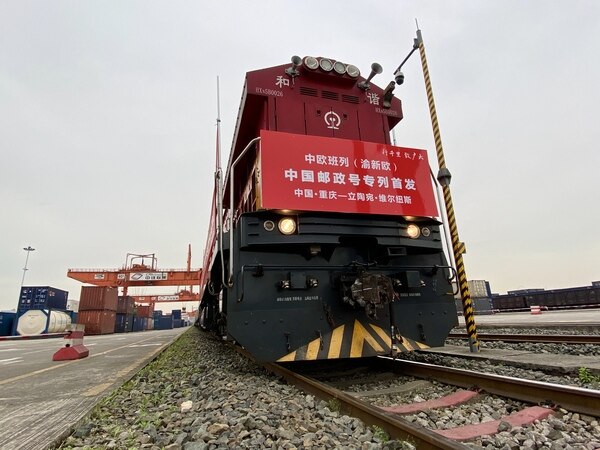
Based on the test and shipment of 4 international postal containers on March 18, 2020, on April 3, 2020, the country’s first international postal parcel train-the China-Europe Express (Yuxinou) "China Post Number" officially departed in Chongqing . The "China Post Number" is the first postal parcel train launched nationwide, opening up a new channel for distributing the backlog of international mail during the new crown pneumonia epidemic. The special train includes 44 boxes of international mail from Beijing, Guangdong and Chongqing. After arriving in Lithuania, it can be distributed to 36 European countries including Spain, Denmark, Switzerland, France, and Cyprus.
As of the end of June, a total of 671 containers have been transported, and 14 special trains have been launched. The volume of containers and trains for international parcels are the first in the country. As of mid-July, Yuxinou has successfully transported the country. 1/3 of the total, nearly 70% of the international parcels in Europe. It fully reflects the strategic channel role of the China-Europe Express (Chongqing-Xin-Europe).
From "there is no return" to the full return
Previously, whether there was going or not was the most embarrassing problem encountered at the beginning of the China-Europe Express, and it also restricted the development of the China-Europe Express. "China-Europe Express is a new thing. The recognition of overseas customers is not high. It is difficult to change the inherent international transportation mode in a short time, but we must overcome this problem." Zhang, Deputy General Manager of Yuxinou (Chongqing) Logistics Co., Ltd. Rong said so.
The high efficiency that rail transport brings to import and export is the most important reason why foreign companies decide to try the China-Europe Express. Through continuous exploration and innovation, Yuxinou seeks new breakthroughs in the fields of bulk product import, cold chain transportation, cross-border e-commerce, and postal parcel transportation, so that China-Europe Express has more cargo return journeys. On March 18, 2013, the Yuxin-Europe train achieved a breakthrough in zero return cargo for all China-Europe trains.
Previously, most of the milk powder of the Danish company Mierleer Dairy reached the Shanghai port of China by sea, and then entered the Chinese market by land after customs clearance. It took at least 60 days for one-way. In 2015, 3 small-batch containers of Mierleer Dairy were tested and transported on the Yuxin-Europe-China-Europe train. All the processes were completed in less than a month and reached the mainland of China. At the same time, rail transportation is more stable than sea transportation. Milk powder tanks The rate of collapse is also lower.
In 2018, Mierleer Dairy delivered 40 containers of Danish milk powder through Yuxinou, totaling 575,946 cans. Li Xiang, the relevant person in charge of Mierleer Dairy (Shanghai) Co., Ltd. said, “The products are quickly shipped to China through the Yuxin Europe and China-Europe Express, which greatly improves efficiency and can ensure that imported milk powder is basically in sync with local European supermarkets. It will help us to further develop the Chinese market."
In 2016, Chongqing and Kazakhstan signed a cooperation agreement. Potash fertilizer produced in Kazakhstan arrived in Chongqing on the Yuxin-Europe train, and then was put into the western China market and Asian countries such as Japan. Chongqing, which does not produce a single potash fertilizer, will have a circulation of 3 million tons of potash fertilizer every year, making it the largest potash fertilizer distribution center in the inland. "If there is no Yuxinou, this cooperation cannot be successful." Zhang Jun, chairman of the board of the Kazakhstan Potash Company, said that Yuxinou has changed the state of logistics isolation between Chongqing and other inland areas of China and Kazakhstan and other countries along the Belt and Road. This has created major opportunities for bilateral economic and trade cooperation.
In 2018, Yuxinou further deepened its cooperation with Deutsche Post and became the first train company to realize return postal parcel transportation, creating a precedent for the two-way interoperability of China-Europe international railway transport and postal services.
Jessereich, a senior expert in the Global Network Development Department of Deutsche Post AG, said that the cooperation between the two parties in the field of cross-border freight business is very smooth and fruitful. In the future, they will continue to tap the potential of cooperation under the framework of the Belt and Road Initiative and work together to promote the development of Asia and Europe. interconnection. "Yuxinou has built a bridge connecting Duisburg and Chongqing. We are very satisfied with the services it provides. In the future, the two sides also plan to expand cooperation in large-scale international mail and parcel transportation between China and Germany. This is an extremely important business expansion deployment for Deutsche Post, and we are full of confidence in this."
In 2017, Yuxin Europe opened a total of 663 flights, and the return trains accounted for 35%; in 2018, Yuxin Europe opened a total of 1442, and the return trains accounted for 50.5%. This is the first time that the number of return trains has exceeded The number of outbound trains.
Among them, imported whole vehicles have become one of the stable sources of goods for the return trains of the China-Europe Express (Chongqing). European commodities such as auto parts, maternal and child products, food, and health products have also become frequent customers on the express. Russia’s Masangra red wine, Sri Lanka’s Ceylon Highland black tea, Polish cheese dumplings, Kenya’s black wood carvings... As the Belt and Road Initiative continues to advance, in the past, only cross-border e-commerce and foreign direct mail could only buy goods. Now displayed in Chongqing Bonded Commodity Exchange Center for customers to choose.
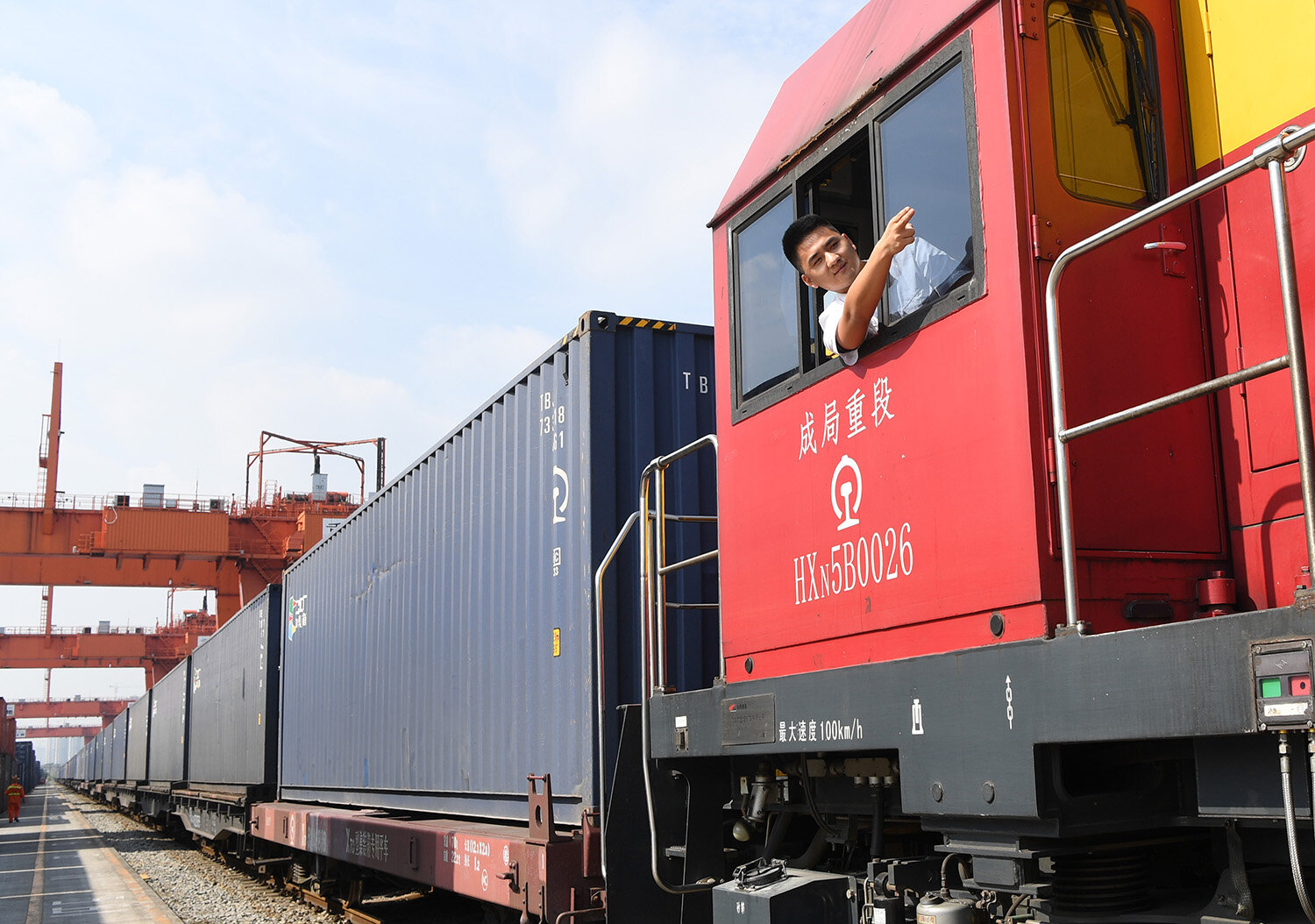
After more than eight years, Yuxinou has achieved normalized operations and has become an important carrier of the Silk Road Economic Belt. As the return train surpassed the outbound train for the first time in 2018, the land-based import and export trade between Chongqing and Europe has become more balanced.
After opening up this land channel, German audiences were still relatively unfamiliar with this mode of transportation at the beginning, because they did not understand the timeliness, cost and stability of the entire product transportation. But after several years of stable operation, more and more customers are willing to accept railway transportation, which is cheaper than air transportation and faster than shipping, as a compromise choice. On this point, Gan Yucheng, the business manager of Yuxinou Germany Co., Ltd., has a deep feeling. Gan Yucheng said: “From the very beginning, Yuxinou’s customers were fixed in a few large companies and mainly provided them with logistics solutions. Later, there were more and more small companies, including Chinese companies operating in Germany. Choose China-Europe Express for outbound and return transportation."
The first China-Europe Express (Chongqing)-Budapest, Hungary direct line has a 14-day transit time limit at the end of April 2020. At present, 9 classes have been normalized, and a stable schedule of 1 class a week has been formed.
Luo Lan, Consul General of the Hungarian Consulate-General in Chongqing, said, “The normalization of China-Europe Express (Chongqing) and the opening of the Chongqing-Budapest route in December 2019 not only mark the practical cooperation between Hungary and Chongqing and the central and western regions of China, but also support Hungary. And recognized by Hungarian companies."
Go south, Yugui new train
Since the 1990s, western provinces, autonomous regions and municipalities have been exploring the most convenient access to the sea, including Chongqing. At that time, Chongqing explored three sea routes, including Shanghai, Shenzhen and Guangxi Beibu Gulf.
Chongqing is located inland. To develop the marine economy, it needs to find the nearest outlet to the sea; Guangxi, as an outlet, also needs the inland as an economic hinterland. The cooperation between the two places takes Chongqing as the rear area, radiates the western inland, and gathers elements to develop toward the sea. This is in line with the development needs of both parties. The two places put cooperation in the first place and reached a cooperation agreement at the government level. The governments, enterprises and customs of the two places worked together to promote the construction of the western sea channel.
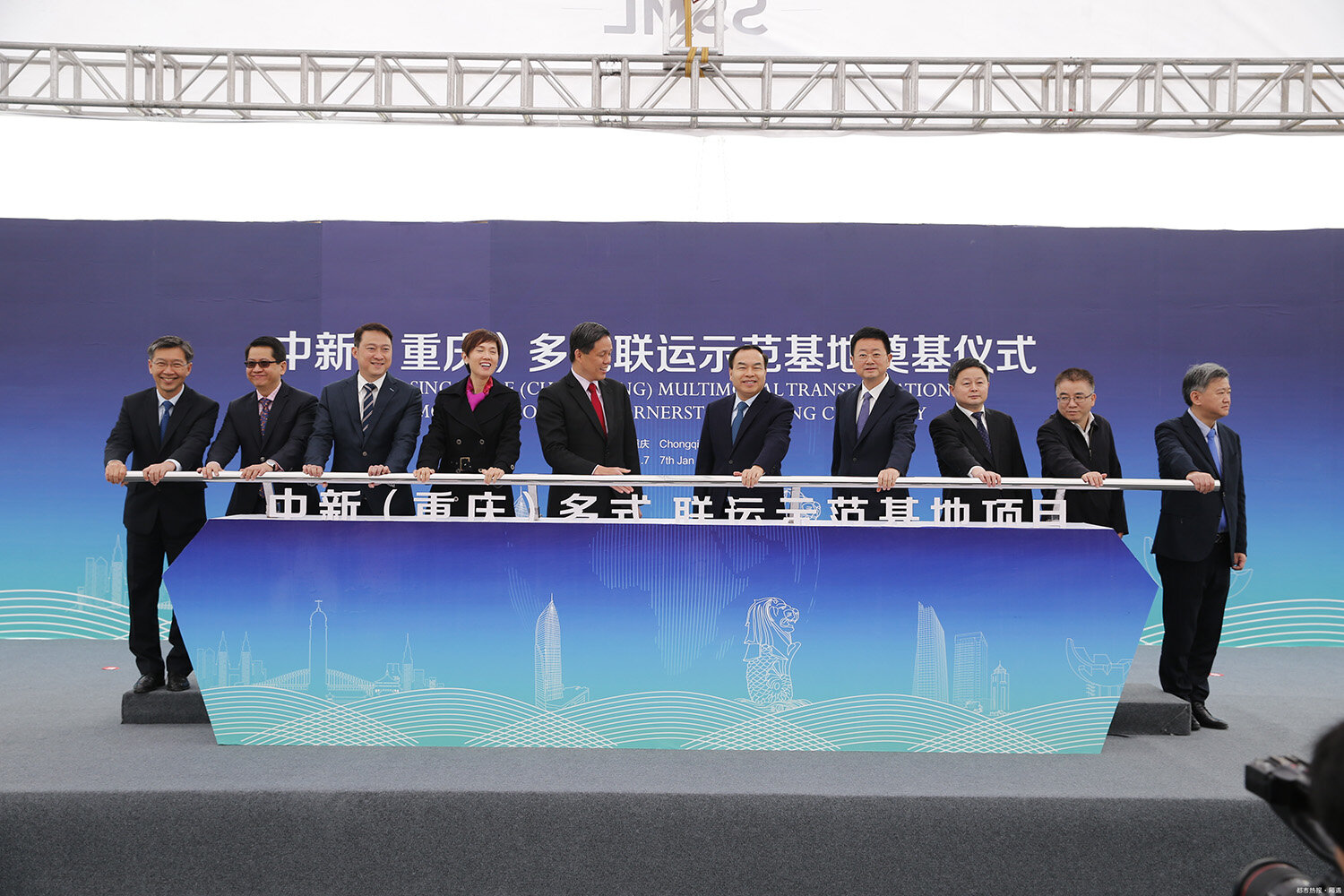
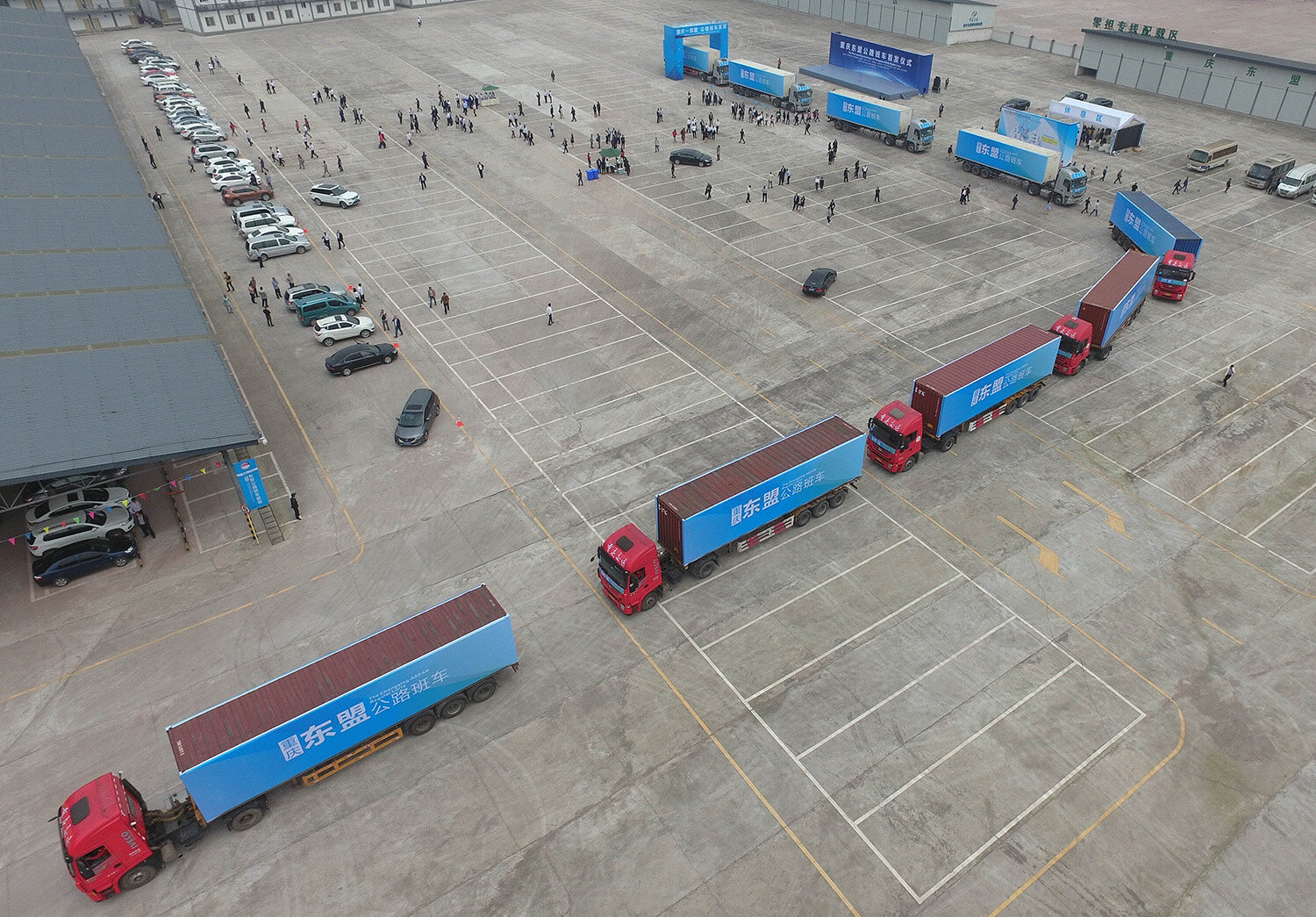
On June 30, 2016, Chongqing West Logistics Park Company, Singapore International Port Group and Guangxi Beibu Gulf Port Group formally established the "Chongqing Railway Port-Guangxi Beibu Gulf Port-Singapore Seaport Strategic Interconnection Demonstration Project" in Nanning, Guangxi. Joint working group. Guinea has maintained very close preparatory cooperation, gathered in Chongqing and Guizhou for discussions on many occasions, and jointly completed relevant feasibility report investigations, laying a good foundation.
On May 10, 2017, the first outbound test train of "Yuguixin" (Chongqing-Qinzhou). After nearly 48 hours of travel, we arrived at Qinzhou Port Station smoothly. After completing customs clearance procedures at the port, this batch of cargo was set aboard to go to Singapore. The entire operation time of this new sea-rail combined transport channel has been shortened by more than 20 days compared with the existing river-sea combined transport model. This class has opened up a new sea channel for the west, which is the embryonic form of the new land-sea channel in the west.
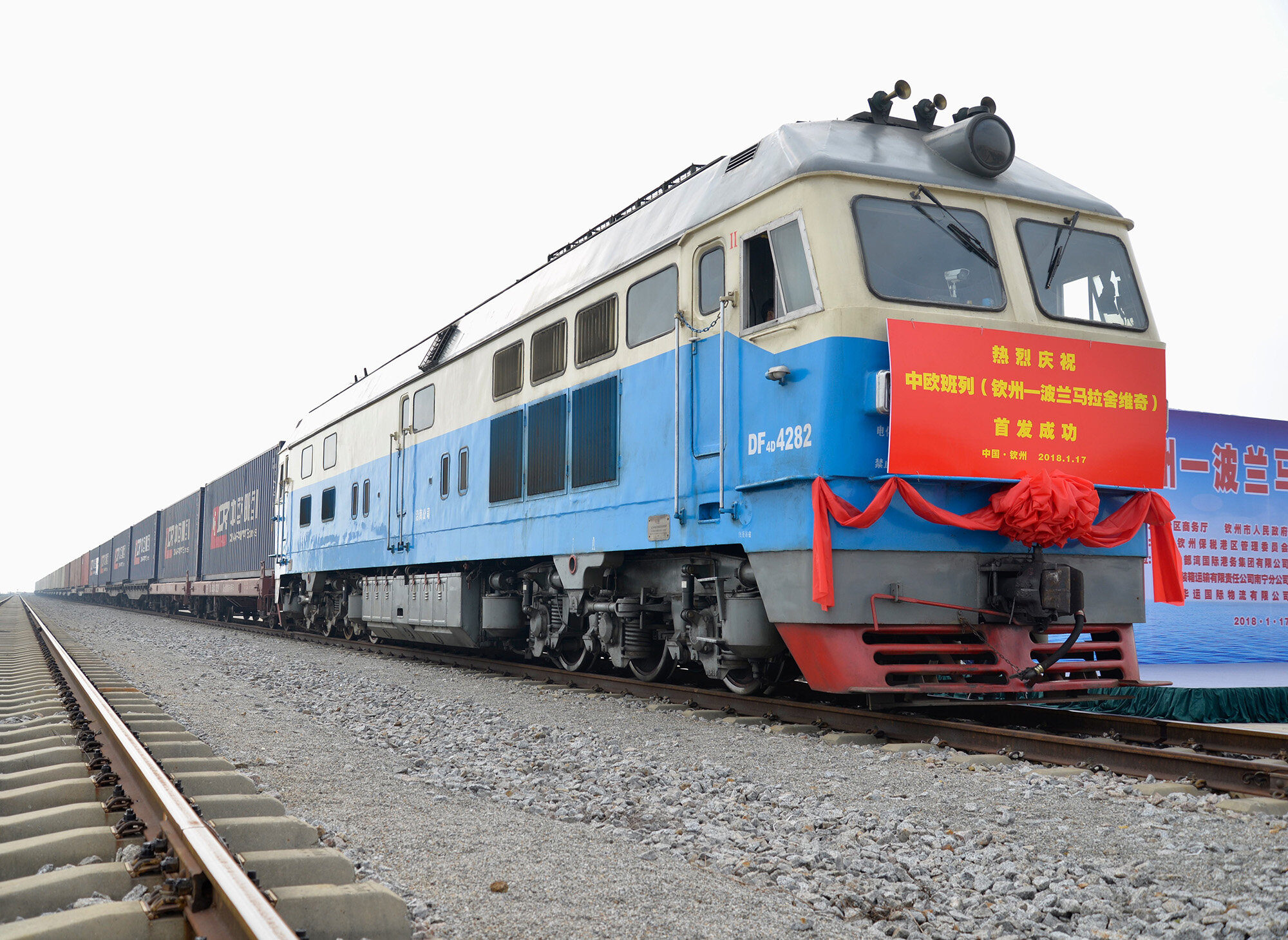
Chongqing-Guizhou New Southbound Corridor, starting from Chongqing, using railway transportation via Guiyang and Nanning to Beibu Gulf Port, realizing southward shipping to Singapore and the world, and connecting the Sichuan-Chongqing region and the China-Europe Express train to the northwest. A functional international sea-rail combined transport channel.
Wang Yupei, the strategic director of Chongqing West Logistics Park Company and the chairman of China-Singapore Southbound Corridor (Chongqing) Logistics Development Co., Ltd., witnessed this new channel from scratch to smoothness. In his view, Chongqing and Guangxi jointly promote the construction of new land-sea corridors in the west and comprehensively improve the level of interconnection and open cooperation. It can be said that Chongqing-Guangxi cooperation is a showcase for promoting the opening of the western region.
Relying on the Chongqing-Guizhou new rail-sea combined transportation mode, the railway transportation from Chongqing to Qinzhou port only takes 2 days, which can save 13 days compared with the transportation through the Yangtze River to Shanghai Port, which can save 13 days, and the whole journey to Southeast Asian ports is at least about 20 days earlier.
The Chongqing-Guizhou New Southbound Passage is connected with the Chongqing-Xinjiang-Europe-China-Europe Railway to realize an effective connection between the One Belt One Road and the Yangtze River Economic Belt, forming a new sea-land link connecting Asia, Europe and Europe via Guangxi to Chongqing and Europe. It laid a solid foundation for the economic take-off of the entire southwest region.
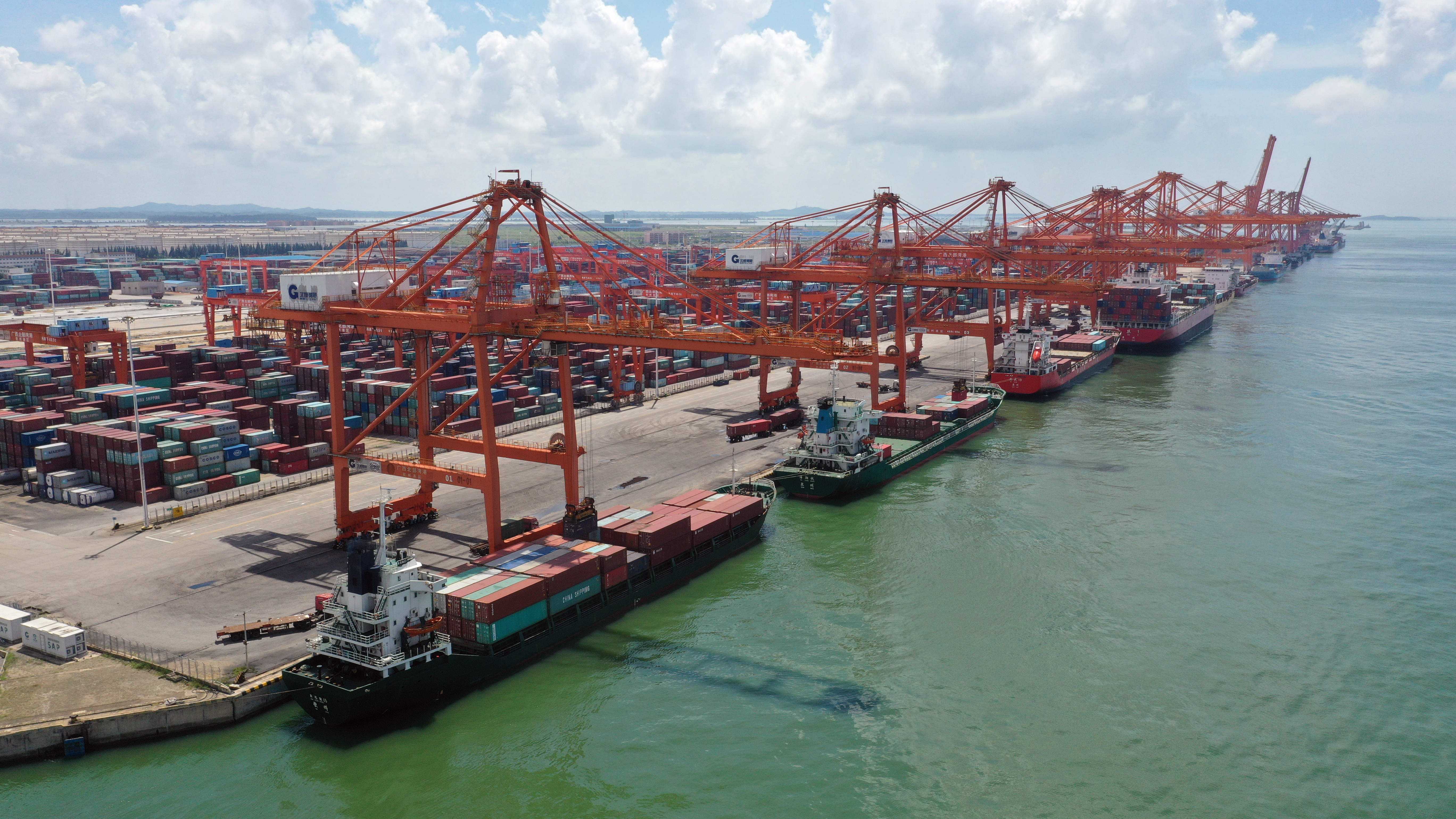
Southeast Asia’s coffee goes from Singapore to Qinzhou Port in Guangxi, all the way northward to Yunnan, Chongqing, Sichuan, and then through Chongqing’s Yu-Xin-Europe train, through Xinjiang’s Alashankou to Kazakhstan and other Central Asian regions, which will change the current Southeast Asian cargo The old way of transit via Iran.
Zhang Songsheng, Managing Director of Singapore Pacific Shipping Group, said: "The new route connecting Asia and Europe by land and sea is not only about the export volume of Chongqing and the southwestern provinces; the reverse northbound trade is also worth looking forward to."
Eastward, Yuyong train
For a long time, more than 90% of Chongqing’s goods have been transported in and out of the Yangtze River. This traditional river transport mode takes 10 to 15 days from Chongqing to Shanghai, and it takes as long as 20 to 30 during the repair and dredging of the Yangtze River. day. Affected by the maintenance of the Three Gorges ship lock and the dry season of the channel, the river-sea combined transport channel has low ship traffic efficiency about half of the year, affecting the outbound cargo transportation.
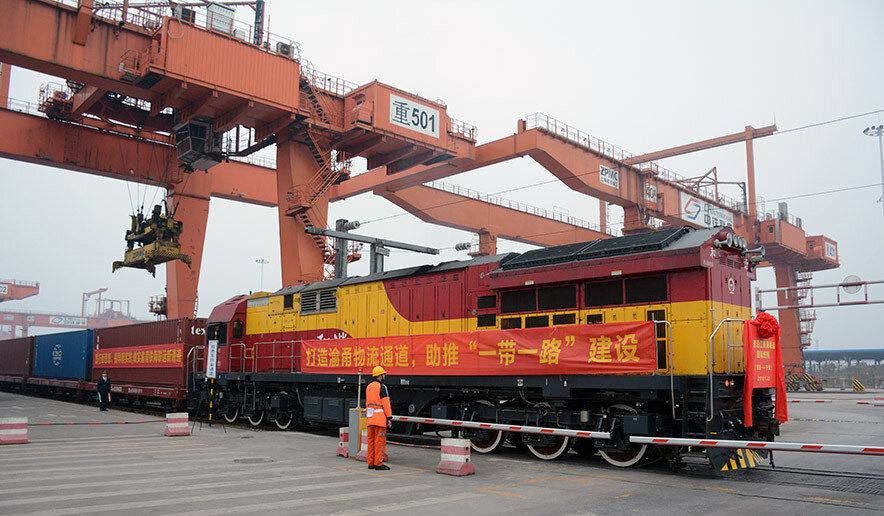
The opening of the Yuyong train changed all this. On January 23, 2018, following a train full of Chongqing's local foreign trade goods, following a trajectory eastward, the train slowly entered the Beilun port area of Zhoushan Port in Ningbo after only 57 hours. He shortened the inland operation time of goods, increased the rapid response rate of foreign markets for goods, and reduced the share of funds in goods transactions.
This is the first time the Yu-Nong Express train. In just 2 months, the Yu-Yong Express train will be upgraded to the next-day train every week. In just six months, it has rapidly grown into an alternative to the Yangtze River water transport. The huge amount of cargo was freed from the congestion of the Three Gorges Dam and smooth export was realized. Since its opening, the Yuyong Express has received a strong response from the market. Relying on the advantages of short transit time, high cost performance, and direct railway access to the terminal, 50 categories of goods produced in Chongqing and surrounding areas have adopted this rail-sea combined transport solution.
The main sources of the Yuyong Express train include: fiberglass, security doors, motorcycle accessories, engine blocks, cylinder heads, engines, steering knuckles, harvesters and other categories. These goods are mainly exported to North America, South America, Europe, Southeast Asia, Africa, and flow to Argentina , Germany, the Philippines, the United States, Canada, South Korea, Italy, the United Kingdom, Japan, Nigeria, Hong Kong and other 46 countries and regions.
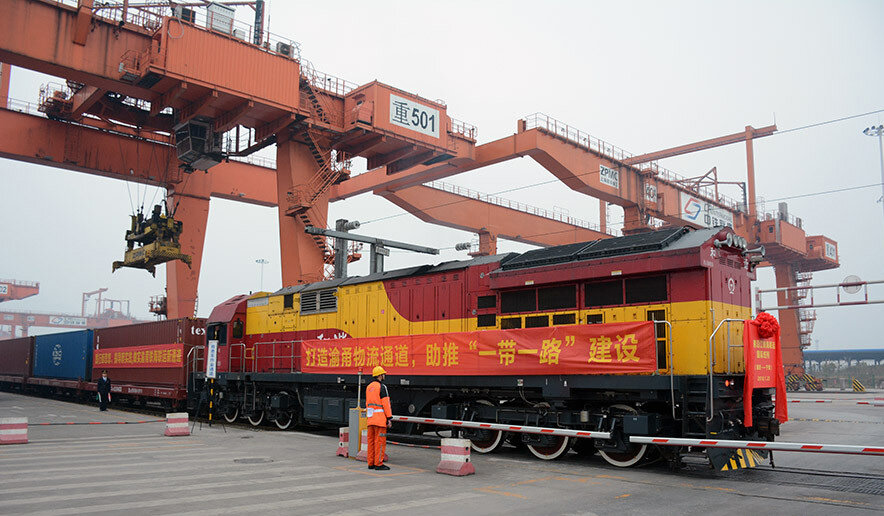
In 2019, with the strong support of the governments of the two places, Ningbo Zhoushan Port Group, Shanghai Railway Bureau and Chongqing Transportation Group strengthened cooperation in many aspects, added new imported trains, and realized the "dual transportation" of heavy trains in and out. In the current situation, further reduce the logistics cost of Yuyong Express cargo and improve the market competitiveness of exported goods in Chongqing and surrounding areas.
On the morning of January 14, 2019, take the first batch of 9 TEU international intermodal containers on the Ningbo Zhoushan Port-Yuyong Express Train, complete the transfer at the Chongqing Railway Container Central Station (Tuanjiecun Station), and sail with the Yuxin-Europe Express Train to Wanli Outside the Duisburg station in Germany, the goods will then be delivered by truck in Germany to BMW's factory in Waksdorf and other cargo owners. This is the first time that Ningbo Zhoushan Port's international combined transport business has entered Germany.
The first export container to Germany takes about 20 days in transit, which saves more than 10 days compared to shipping. It has the advantages of strong timeliness and continuous supply of small quantities and multiple batches.
The development of the Chongqing-Nyong Express + Chongqing-Xindu-Europe Express Train combined transport model has laid the foundation for the creation of a two-way dual sea-rail intermodal transport channel between Chongqing and Ningbo. It has also helped Ningbo and surrounding areas to enter Russia, Central Asia, Central and Eastern Europe and other countries and regions. Export goods provide a convenient logistics channel. After the goods from Europe arrive in Chongqing via Yuxinou, they can take the Yuyong Express train to Ningbo Zhoushan Port for loading and sailing.
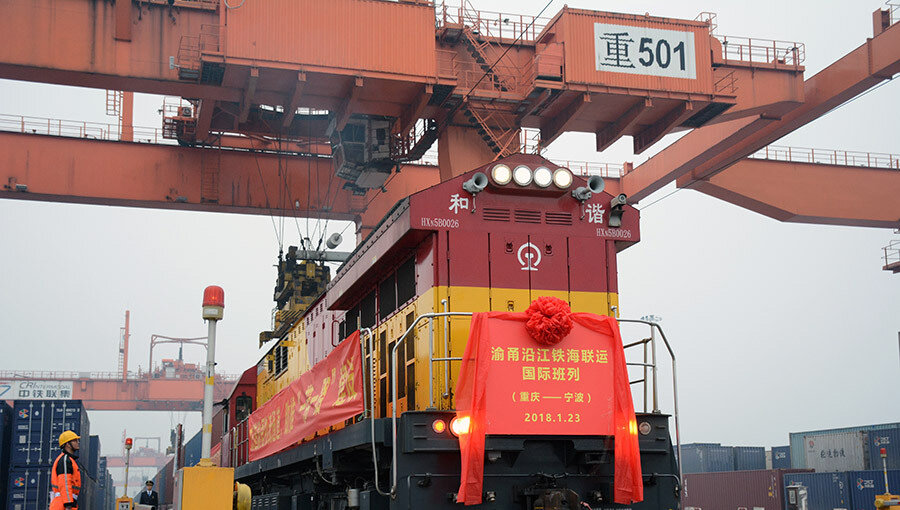
Before the Spring Festival of 2020, the Yuyong Rail-Sea Combined Transport team learned that the customer needed to transport a batch of foreign trade goods from Poland to South Korea. However, due to the epidemic, the transit time is expected to be extended to 45 days. To this end, the Yuyong Rail-Sea Combined Transport team and the Yuxin-Europe International Combined Transport team have jointly promoted the new transportation mode of "China-Europe Express + Rail-Sea Combined Transport" to customers, and tailored logistics solutions for them, which won the customer’s approval. Recognized.
At the end of February, the cargo took the China-Europe Express train to Chongqing Tuanjiecun Station from Malašević, Poland. Upon arrival, it was seamlessly connected to the Yu-Yong Express train and sent to Ningbo Zhoushan Port by rail. After arriving at the port, the cargo will be sent to Incheon Port, South Korea by sea. The entire transportation process took 22 days, which was half the time compared to 45 days, and the transportation efficiency was significantly improved.
The opening of the Yu-Yong sea-rail combined transport train provides customers in Chongqing and the surrounding areas with a channel for exports to Japan, South Korea, and the American continent via Ningbo Zhoushan Port to the east. At the same time, it broadens the sea-rail combined transport logistics network of Ningbo Zhoushan Port in the southwest region. Ningbo Zhoushan Port has further become an important hub port linking east and west, radiating north and south, and passing through the two wings of the Silk Road. Guide more export and transshipment goods from Ningbo Zhoushan Port to take the Yuyong Express train to the international intermodal train, and finally send them to Central Asia and Europe.
Chongqing, an inland city in western China, is emerging as a major international logistics hub and a frontier highland for open development. In early July, the National Development and Reform Commission announced that it would support the construction of a demonstration project of the China-Europe Railway Assembly Center (hereinafter referred to as the assembly center) in five cities across the country, including Chongqing. Chongqing became one of the first assembly centers in the country, and the state will arrange special funds to support Chongqing's construction of assembly centers.
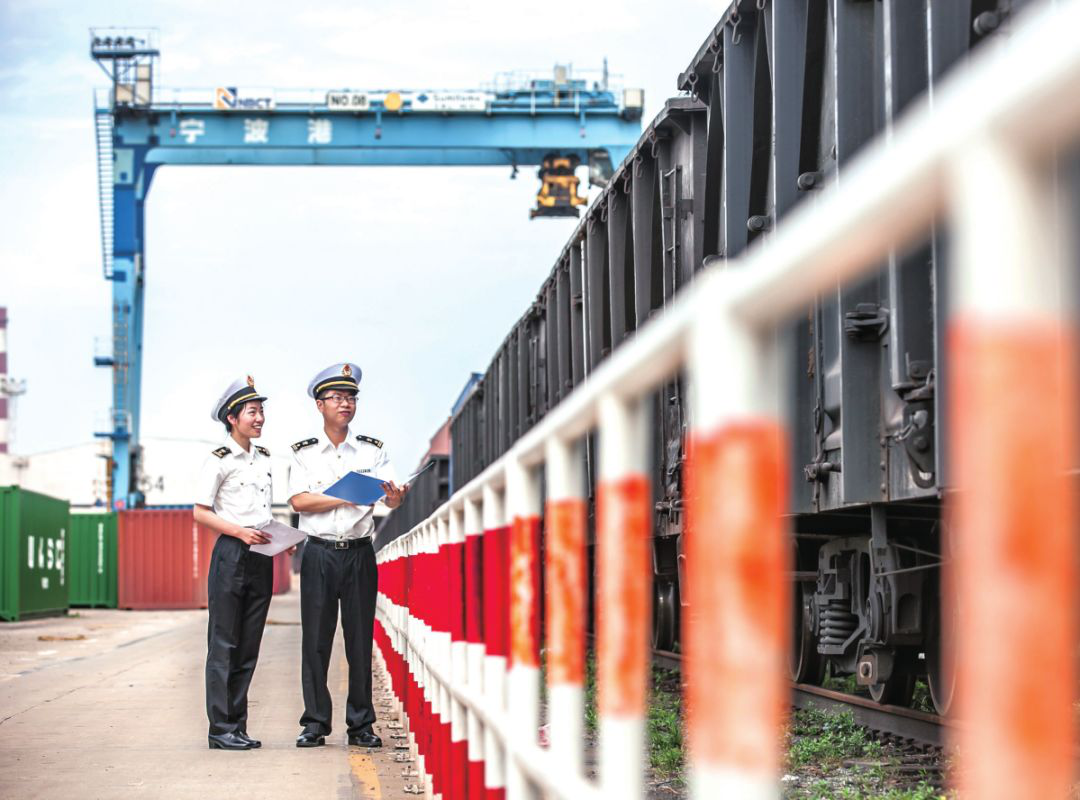
With the opening of the China-Europe Express (Chongqing), the Golden Waterway of the Yangtze River, and the southward channel, Chongqing will become the only comprehensive three-dimensional transportation hub in the western region that integrates a multimodal transport logistics system of rail-air, rail-sea, and rail-road. Editor/Huang Lijun
Comment

 Praise
 Collect
 Comment

 Share
Share


Write something~