 Search


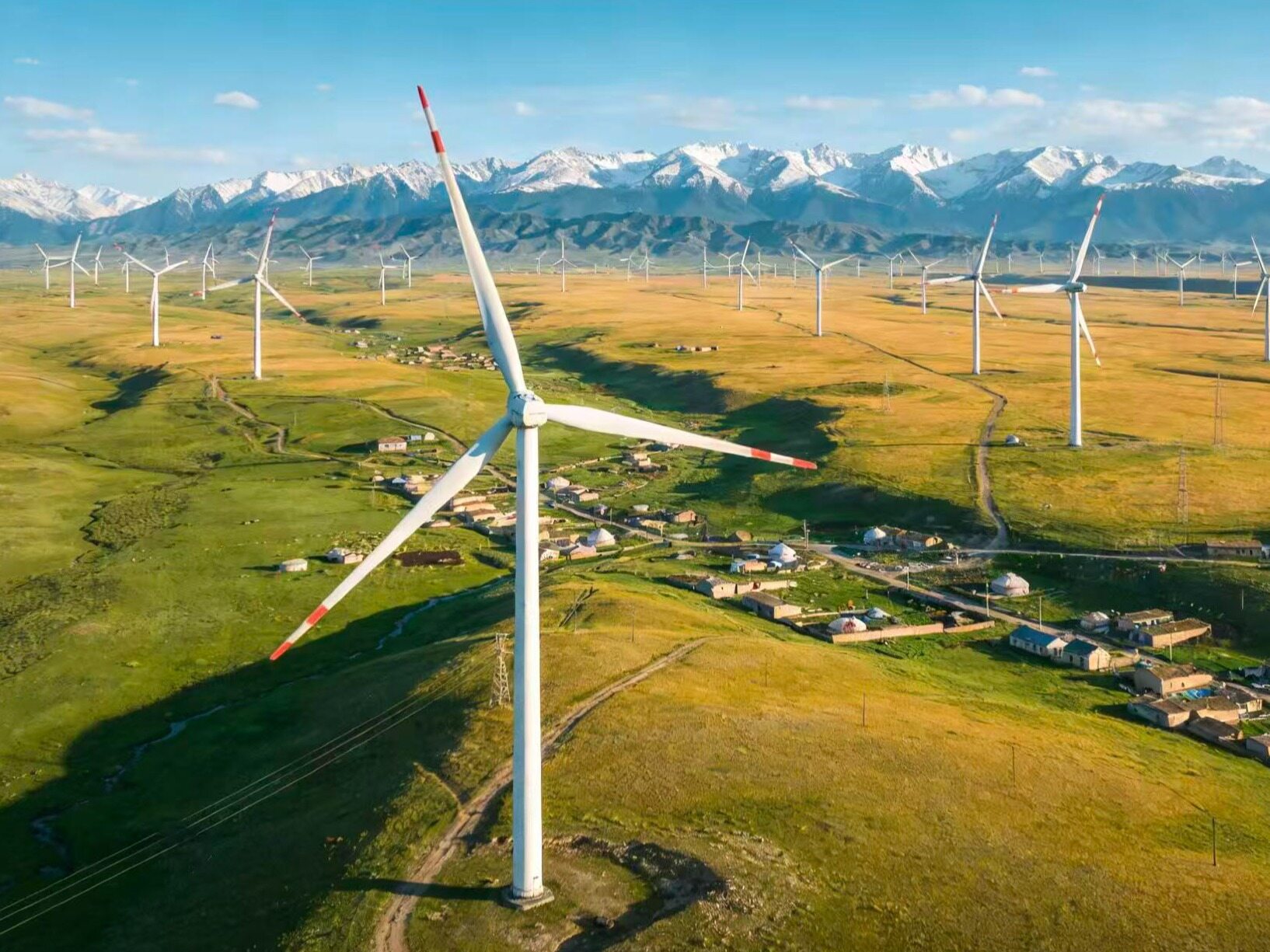
The principle of wind power generation is to use the wind to drive the windmill blades to rotate, and then increase the rotation speed through a speed increaser to promote the generator to generate electricity. According to the current wind turbine technology, at a breeze speed of approximately three meters per second (the degree of breeze), electricity can be started.
The main structural components of wind turbines are: nacelle: the nacelle contains the key equipment of the wind turbine, including gearboxes and generators. Maintenance personnel can enter the nacelle through the wind turbine tower. The left end of the nacelle is the rotor of the wind turbine, namely the rotor blades and shaft. Rotor blades: catch the wind and transmit it to the rotor axis. On a modern 600-kilowatt wind turbine, the measured length of each rotor blade is about 20 meters, and it is designed to resemble the wings of an airplane. Axis: The rotor axis is attached to the low-speed shaft of the wind turbine. Low-speed shaft: The low-speed shaft of the wind turbine connects the rotor shaft to the gearbox. On a modern 600 kW wind turbine, the rotor speed is quite slow, about 19 to 30 revolutions per minute. There are ducts for the hydraulic system in the shaft to stimulate the operation of the aerodynamic brake. Gear box: The left side of the gear box is the low-speed shaft, which can increase the speed of the high-speed shaft to 50 times that of the low-speed shaft. High-speed shaft and its mechanical brake: The high-speed shaft runs at 1500 revolutions per minute and drives the generator. It is equipped with an emergency mechanical brake, which is used when the aerodynamic brake fails or when the wind turbine is being repaired. Generator: Usually called an induction motor or asynchronous generator. On modern wind turbines, the maximum power output is usually 500 to 1500 kilowatts. Yaw device: rotate the nacelle with the help of an electric motor so that the rotor is facing the wind. The yaw device is operated by an electronic controller, which can sense the wind direction through the wind vane. The picture shows the wind turbine yaw. Generally, when the wind changes its direction, the wind turbine will only deflect a few degrees at a time. Electronic controller: Contains a computer that constantly monitors the status of the wind turbine and controls the yaw device. In order to prevent any failure (ie, overheating of the gearbox or generator), the controller can automatically stop the rotation of the wind turbine and call the wind turbine operator through the telephone modem. Hydraulic system: used to reset the aerodynamic brake of the wind turbine. Cooling element: Contains a fan to cool the generator. In addition, it contains an oil cooling element for cooling the oil in the gearbox. Some wind turbines have water-cooled generators. Tower: The wind turbine tower contains the nacelle and rotor. Usually taller towers have an advantage because the higher the distance from the ground, the higher the wind speed. The tower height of a modern 600-kilowatt wind turbine is 40 to 60 meters. It can be a tubular tower or a lattice tower. The tubular tower is safer for maintenance personnel because they can reach the top of the tower through the internal ladder. The advantage of the lattice tower is that it is cheaper. Anemometer and wind vane: used to measure wind speed and wind direction. Rudder: a small wind generator (generally 10KW and below) commonly found in the wind direction on the horizontal axis. Located behind the revolving body and connected with the revolving body. The main function is to adjust the direction of the fan so that the fan faces the wind direction. The second function is to make the wind turbine head deviate from the wind direction under strong wind conditions to reduce the speed and protect the wind turbine.Editor/Luo Wentao
Comment

 Praise
 Collect
 Comment

 Share
Share


Write something~