 Search


- Chinese road builders continued to write the "Karakoram Spirit" with Chinese technology, Chinese plans, and Chinese speed.
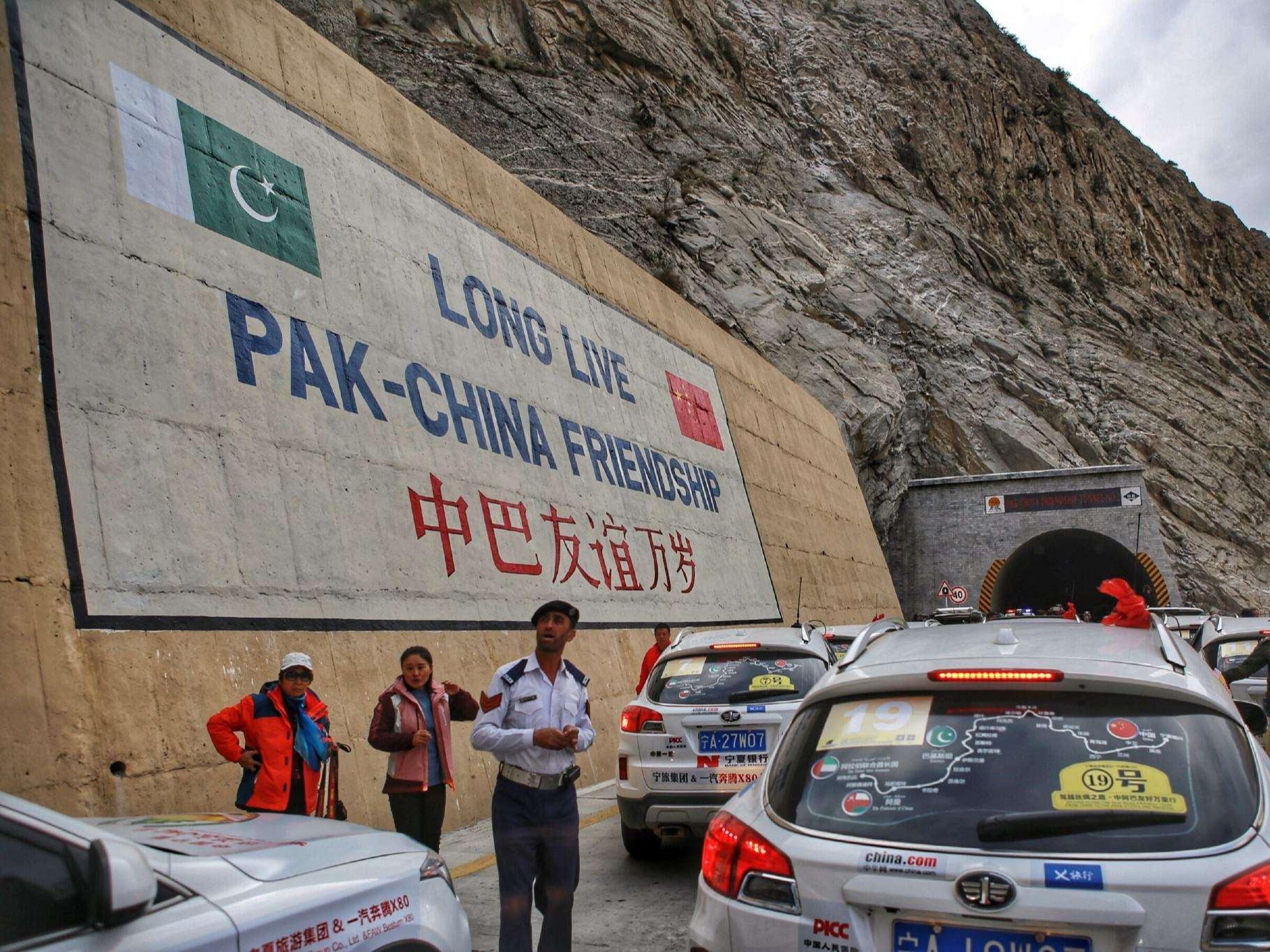
The China-Pakistan Economic Corridor is an important part of China's “One Belt, One Road” initiative. It was officially launched when President Xi Jinping visited Pakistan in April 2015. In July 2020, the flagship project of the China-Pakistan Economic Corridor, which was constructed by China Road and Bridge, designed by the First Public Court, and participated in the construction of CCCC, First Public Bureau Group, Second Public Bureau, Third Public Bureau, Fourth Public Bureau, and China Consulting Group — —The Karakoram Highway Phase II project opened to traffic. During the construction process, Chinese road builders overcome the complicated geological conditions and harsh natural environment, and continued to write the "Karakoram Spirit" with Chinese technology, Chinese plans, and Chinese speed.
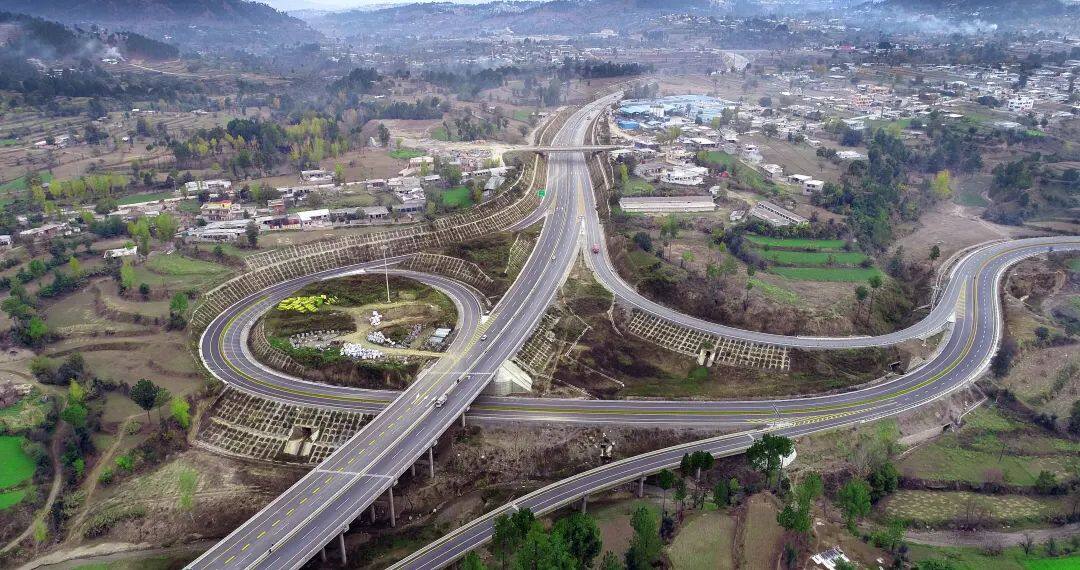
On July 28, 2020, the Karakoram Highway in Pakistan was constructed by China Road and Bridge, designed by the First Public Court, and participated in the construction by China Communications Road Construction, First Public Bureau Group, Second Public Bureau, Third Public Bureau, Fourth Public Bureau, and China Consulting Group. The second phase of the project opened to traffic. Overlooking from the air, the winding highway is like a roaring "dragon", breaking through the haze of the epidemic and releasing unlimited vitality.
The Karakoram Highway Phase II project has a total length of 118.14 kilometers. It is the flagship project of the China-Pakistan Economic Corridor and the main skeleton of the North-South corridor of Pakistan's highway network. The completion and opening of the project will promote Pakistan’s economic development and further promote China-Pakistan economic and trade cooperation. At the same time, it plays an important role in strengthening Pakistan's trade ties with neighboring countries and Central Asian countries, and improving Pakistan's investment environment.
Witness the struggle history of two generations of road builders
In Gilgit, a city in northern Pakistan surrounded by mountains, there is a Chinese martyrs' cemetery, Ali Ahmed, an ordinary Pakistani old man who has voluntarily guarded the tomb here since 1978 and accompanied these heroes for more than 40 years. . On April 20, 2015, Chinese President Xi Jinping met with Pakistani friends and representatives of friendly groups in Islamabad, and awarded them the Five Principles of Peaceful Coexistence Friendship Award in recognition of their contributions to promoting China-Pakistan friendship. Ahmed is one of the winners of this award, and what he guards is the first builder of China Road and Bridge to enter Pakistan.
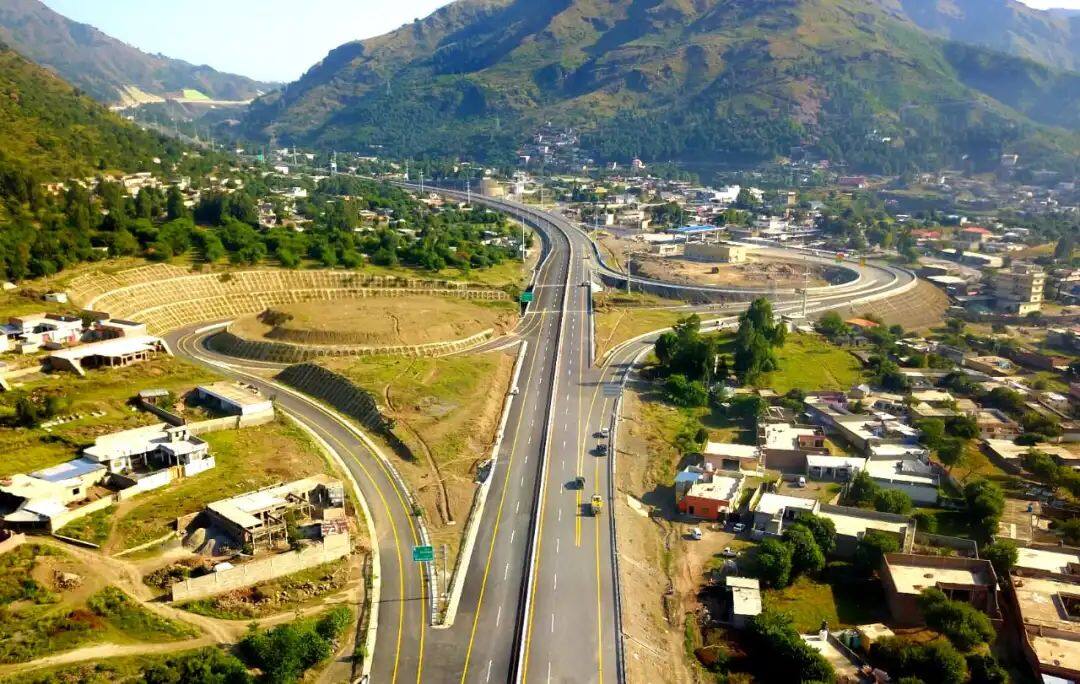
In the late 1960s, the Chinese government decided to assist Pakistan in the construction of the Karakoram Highway, the only foreign economic lifeline in northern Pakistan, and it was constructed by the Foreign Aid Office of the Ministry of Communications, the predecessor of China Road and Bridge. The highway starts from Kashgar, a thousand-year-old city in western my country in the north, passes through the three major mountain ranges of Karakoram, Himalayas, and Hindu Kush and the Pamirs, passes through the Khunjerab Pass at the China-Pakistan border port, and extends south to Takot, a city in northern Pakistan. 1224 kilometers, it is extremely difficult to build, and it is a veritable "sky road".
From 1966 to 1978, there were more than 22,000 Chinese road-building ancestors. In the harsh natural environment and frequent disasters, they relied on their shoulders to carry their hands, relying on their tenacious will and the "Karakorum" who is not afraid of sacrifices. "Spirit" has opened up this important communication link between China and Pakistan. During the construction process for more than ten years, more than 700 builders from both China and Pakistan have given their precious lives. Among them, 88 Chinese builders stayed on the land in a foreign land forever. "The China-Pakistan Friendship Highway was built by the blood and sweat of Chinese and Pakistani road builders," said Zhang Chunxiang, the former Chinese ambassador to Pakistan.
The completion of the Karakoram Highway has not only brought northern Pakistan out of the closed state of "isolation" for generations, but this road has also become a strong bond of Sino-Pakistani friendship and a symbol of Sino-Pakistani cooperation.
With the passage of time, this road of friendship, which carries the economic cooperation between China and Pakistan, has gradually become overwhelmed by the harsh geological conditions and frequent natural disasters. The road conditions are deteriorating, and it can no longer satisfy the growing economic and trade between China and Pakistan. demand. In 2008, the Chinese government decided to once again help Pakistan upgrade the Karakoram Highway in Pakistan. Encouraged by the "Karakorum Spirit", China Road and Bridge faced difficulties, following the footsteps of the older generation and embarking on a new journey again. Chinese road builders went out of the high mountains into the steep mountains, built new bridges and opened roads, went deep into the barren land, spent more than 7 years conquering the natural dangers of Pinghu and rebuilding the thoroughfare, successively completing the "Karakorum Reconstruction and Expansion Project" and the "Karakorum Barrier" All the construction tasks of the “Huawei Reroute Project” have revived this extraordinary road of friendship between China and Pakistan.
In September 2016, as an early harvest project of the “China-Pakistan Economic Corridor” plan, the Karakoram Highway Phase II project started construction. This is not only a high-level, high-standard comprehensive large-scale project that continues to extend southward from the Karakoram Highway. It is once again a new bond of close contact between China and Pakistan, sublimating brotherhood.
Chinese standards and Chinese technology "go out"
The Karakoram Highway Phase II project was designed and constructed according to Chinese standards, which successfully solved many technical problems on site and raised the quality of Pakistani highways to a new level. It is a successful case of the international promotion of Chinese standards and technologies.
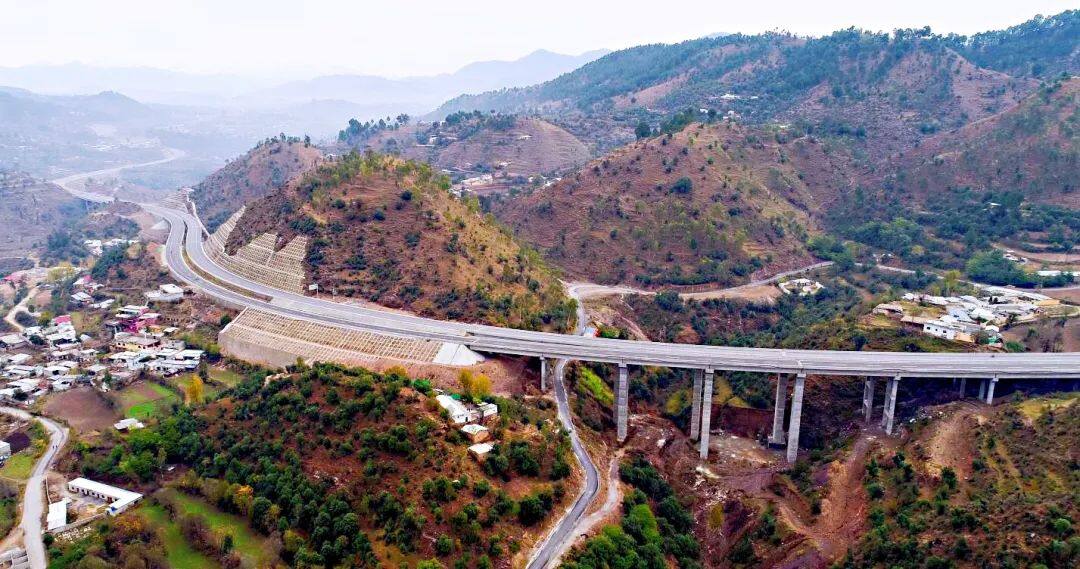
The Karakoram Highway Phase II project is located in a sensitive area of Pakistan, which is a very high risk area. For safety reasons, the Pakistani military imposed strict restrictions on the on-site operation time during the design and measurement process. In addition, the local terrain is extremely complex, and it often takes a long time to reach between the two hills, which seriously reduces the measurement efficiency.
"In the design process, preliminary measurement is the most important and the most difficult. At that time, the traditional manual measurement method was not only unable to meet the requirements of normal design and construction progress, but the surveying personnel also faced greater risks and had to find new methods." Project survey engineer Gou Hongbing said. After many studies, the general manager of the project requested the use of drone aerial photogrammetry technology to collect terrain data along the project, and finally obtained the approval of the Pakistani military.
"The application of drone aerial photogrammetry technology in China is very mature, but in Pakistan, this is the first time it has been used, and the effect is very good. Finally, the map after data analysis is very accurate, which improves the measurement efficiency." Gou Hongbing said.
In addition to completing the construction at a high level and with high quality, how to save investment costs is also an issue for the general manager of the project to consider. "In order to help Pakistan save project costs, we make full use of our own technical advantages and rich practical experience to provide optimized solutions during design." said Wang Hui, chief engineer of the project. By optimizing the form of pavement structure, merging interchanges with smaller spacing, and adjusting new roads to upgrade existing roads, a series of optimizations not only saved Pakistan’s investment costs, but also contributed to the rapid implementation of the project The construction has achieved mutual benefit and win-win results for both parties.
The successful implementation of the project has promoted the "going global" of Chinese regulations. According to Guo Ruiping, the person in charge of the project design, bridge and culvert hydrology is the focus of Pakistani experts’ review. “However, Pakistan lacks knowledge of Chinese regulations, and they initially adopted international regulations for accounting, which caused differences in the applicability of Chinese and foreign regulations.”
How to resolve differences became a difficult problem facing the project team at that time. In order to resolve differences, on the one hand, the project team provided Pakistan with a detailed hydrological calculation process for each bridge, and held seminars to explain and answer questions; on the other hand, it actively cooperated with the Pakistan review team to check the calculations. The final result proved that the two calculation methods are the same. Effect. "Through long-term communication, discussion, and calculation and analysis, Chinese standards have finally been recognized by Pakistani experts." Guo Ruiping said proudly.
"Karakorum Spirit" shines
In the midsummer season, the grass and trees are draped in a dark green costume, full of vitality, among the green hills and white clouds, the Karakoram Highway just opened to traffic is like a beautiful black ribbon floating in the wind, winding the mountainside, crossing the hills, one by one, strong and spectacular. The slope protection works are like exquisite ornaments hung on ribbons, perfectly blending with nature, and beautiful. However, all these wonderful acquisitions have gone through hardships and hard-won.
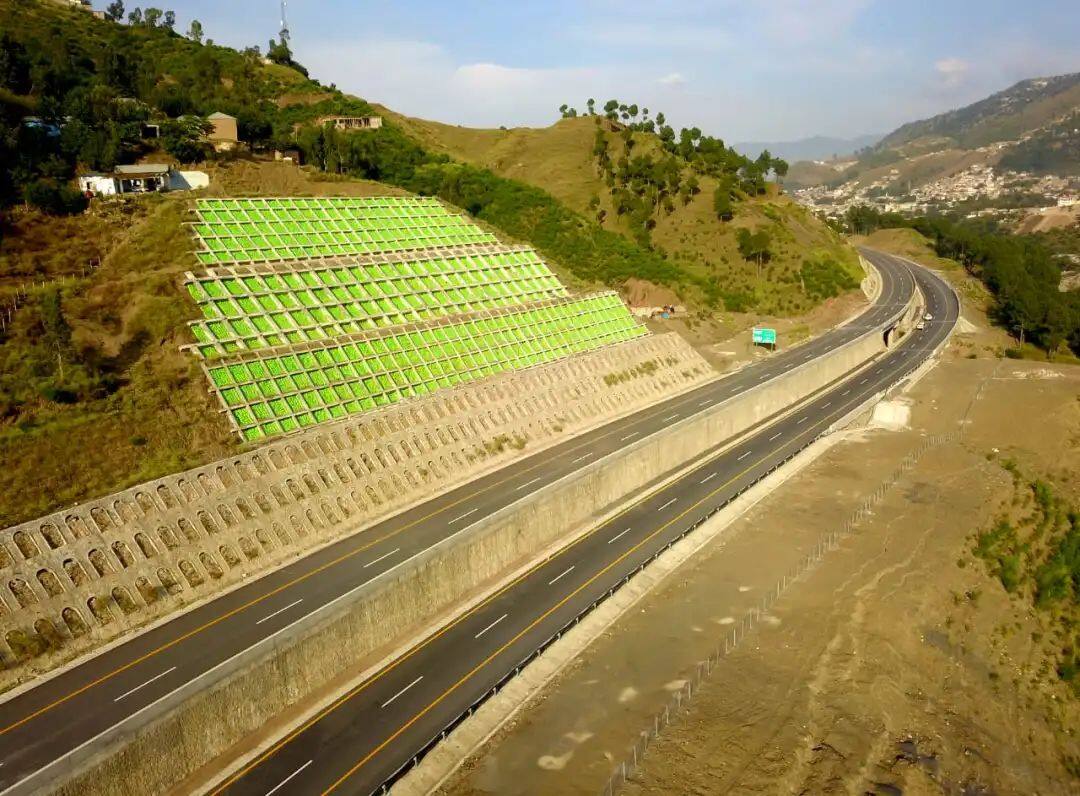
The Karakoram Highway Phase II project is mostly mountainous areas with harsh natural environment. There are nearly 90 high slopes on the whole line, the highest slope is about 70 meters, and many of the slope rock formations are strongly weathered gneiss, with low strength and easy to disintegrate in water. The collapse and frequent local rainfall, there are two rainy seasons from January to March and July to August each year. The slope construction operation is risky and difficult, which brings huge challenges to the project construction.
Facing the technical difficulties of high slope engineering protection, the Karakoram Highway Phase II project management and construction team bravely met the challenge. After scientific design and careful organization, the high slope protection construction progressed in an orderly manner. Although the construction period was tight, some slopes occasionally Partially collapsed, but the team members are still confident, go all out, and firmly believe that the construction task can be successfully completed. Despite the rigorous deployment, a worrying situation has emerged.
In November 2017, affected by geology, rainfall and snowfall, a large-scale landslide was encountered approximately 148 kilometers from the starting point of the project. After the landslide occurred, the general manager of the project immediately organized a technical team led by Wang Hui to go to the site quickly to formulate a landslide treatment plan. "Just when everyone finally finalized the plan and prepared for implementation, news of landslides came from other places," recalled Wang Hui, the chief engineer of the project. According to statistics, there were 15 slopes of different scales along the project. “The landslides between 148 kilometers and 152 kilometers from the starting point are the most serious. Seven landslides have appeared one after another, which casts a heavy shadow on everyone.” How to quickly come up with a safe and effective treatment plan to ensure that the project is completed on time is imminent .
At the critical moment, the project general manager Wang Benqian made a decisive decision and set out to plan the overall situation. Wang Hui organized personnel to conduct site visits and mastered first-hand information, and at the same time coordinated experts from the First Public Court, Public Regulations Institute and Southeast University to come to the scene to make suggestions.
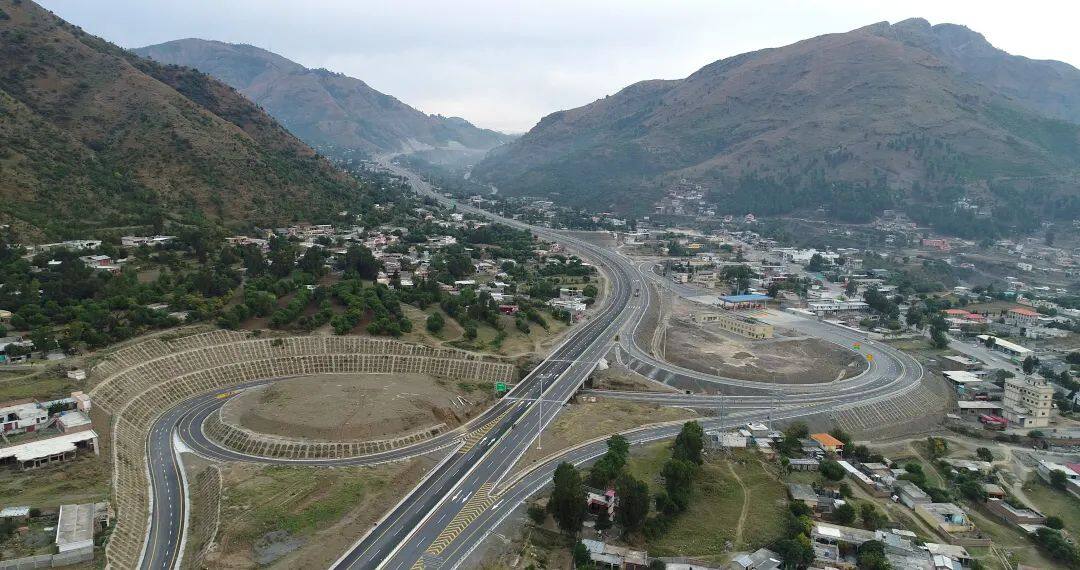
“In order to analyze the cause of the landslide, we climbed the entire hillside and worn out several pairs of shoes. After thorough investigation and demonstration, we learned from the technology of solving natural disasters on the Sichuan-Tibet Highway and finally worked out a landslide treatment plan.” Wang Hui said.
Although there is a plan, how to implement it has become a stumbling block. It turns out that the local geological conditions are poor, and many slopes must adopt more complicated protective measures such as anchor cable frame beams and anchor cable ribbed walls. However, there is basically no precedent for anchor cable frame construction at the project site. The locals lack construction experience and related construction Skilled workers, equipment and materials need to be imported from China.
"No matter how difficult it is!" Wang Hui said firmly. The project team moved quickly, contacted domestic technical consultants, equipment and material suppliers, recruited workers, and actively coordinated construction resources. With the efforts of all parties, the landslide control has finally been on the right track. Due to the delay of the landslide, the construction period of the high slope protection project was once tight, and it was related to the opening of the whole line to traffic on schedule. In order to ensure the quality and quantity to be completed on time, the general manager department of the project set up incentives, each construction team issued military orders, the technical team was on standby to solve engineering problems at any time, and on-site management and safety officers kept an eye on the scene. The leadership team of the general manager of the project, key personnel, technicians, on-site safety officers, and the majority of China-Brazil road construction workers have launched a massive "tough battle".
“We worked hard day and night and worked hard at the forefront, and finally won the victory of the'tough battle'. The project fulfilled the owner's first 5 kilometers main completion node schedule as scheduled, completed the construction of the high-speed section of the project 4 months in advance, and completed the construction of the second-level section of the project on schedule. Mission. Thinking back to the difficulties encountered in the construction of this highway, I still have lingering fears. It is also with the tenacity that is not afraid of difficulties and reluctant to admit defeat, I have persisted to the moment when the flowers are bright." Recalling the bits and pieces of the original construction, segmented. Project manager Zhu Jiangfan choked up several times.
When the project was completed and accepted, Amir, a member of the Pakistan Highway Bureau, gave a thumbs up to the road builders of CCCC: "That is, Chinese talents have the ability to complete such complex geological disaster management." The smooth opening of the project is a practical action by road builders in the new era. Inheriting the "Karakoram Spirit" and making the "Karakorum Spirit" shine in the "Belt and Road" initiative and the "China-Pakistan Economic Corridor" is the best proof. Editor/Xu Shengpeng
Comment




 Praise
 Collect
 Comment

 Share
Share


Write something~