 Search


- Experts predict that China-Russia cooperation on the Arctic Silk Road has a bright future
On March 23, 2021, a 400-meter-long container ship sailed from China to Rotterdam, flying the Panamanian flag, and ran aground in the narrowest area of the Suez Canal. Analysts of the insurance company Allianz Insurance Company said that due to this incident, global trade may directly lose 230 billion US dollars. Allianz also pointed out that in 2019, more than 19,000 ships passed through the canal, transporting 1.25 billion tons of cargo, accounting for about 13% of world trade. It is reported that the cost of transporting a 40-foot container from China to Europe is now about US$8,000, while a year ago, it was four times cheaper.
Activate the North Sea route
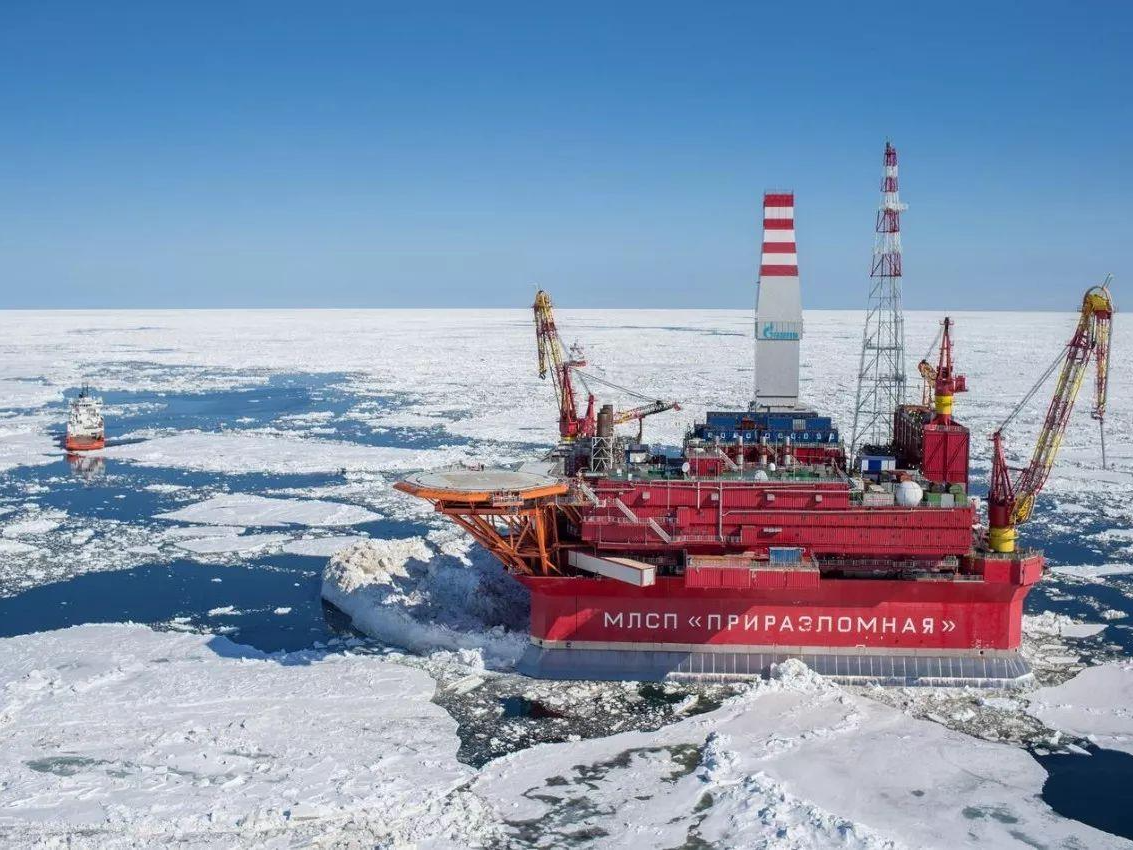
The North Sea Route (NSR), which traverses the Arctic Ocean, is the shortest route between Asia and Europe. The transportation of goods along the route is nearly 30% faster than other maritime routes. However, the harsh weather and severe ice and snow conditions complicate communication along the way. In the eastern part of New South Wales, the thickness of ice in winter is more than 4 meters. Although there has been some warming in the Arctic region, it is only possible to travel along this route from May to December.
The Russian government recognizes the current difficulties in shipping goods along the NSR. Deputy Prime Minister Yuri Trutnev said on March 31 that transportation through NSR is now 30% more expensive than transportation through the Suez Canal, and we are obliged to reduce the cost of cargo transportation along the North Sea route. China has also shown great interest in the development of Arctic routes. The "14th Five-Year Plan" approved by the Chinese government on March 12 confirmed Beijing’s interest in further developing the Arctic Silk Road and incorporating it into the broader Belt and Road Initiative.
Sino-European Maritime Trade
As early as June 2017, the National Development and Reform Commission and the State Oceanic Administration listed the Arctic Silk Road as one of the Belt and Road Initiative regions. China and Russia are interested in the development of the Arctic mainly because it owns one-fifth of the earth’s natural resources. However, these two countries are not only seeking to establish northern trade routes for commercial reasons. In addition to obtaining obvious economic benefits, they also hope to improve energy security through Arctic trade.
In June 2019, Russia and China launched the second large-scale energy project on the Arctic Silk Road. China National Chemical Corporation and Russia’s Neftegaz Holding Company signed an agreement to spend US$5 billion within four years to develop the Payakha oil field on the Taimyr Peninsula. The project includes six oil refineries, a port capable of processing 50 million tons of oil per year, 410 kilometers of pipelines, a 750 MW power plant and an oil storage facility.
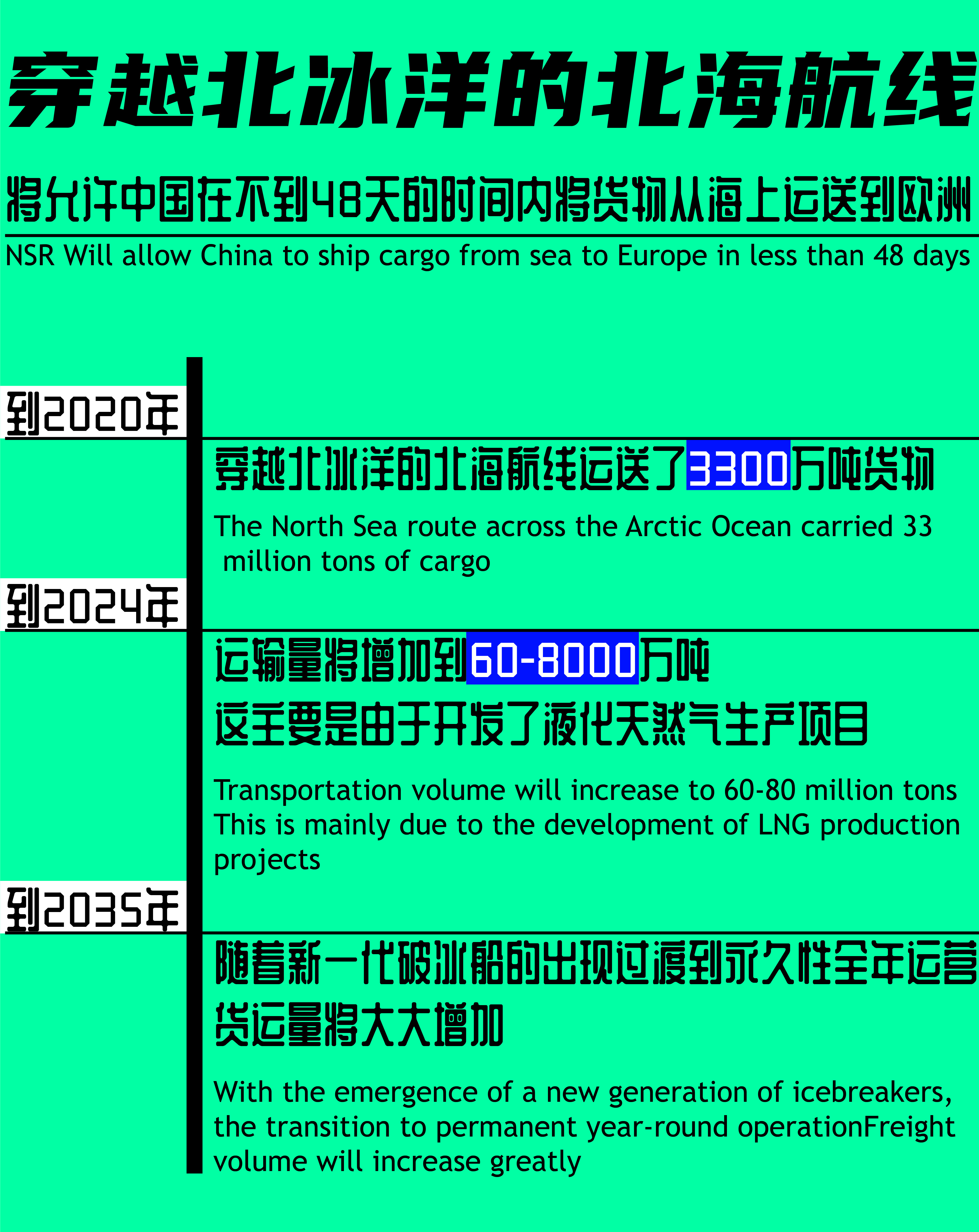
In the future, NSR will allow China to ship goods from the sea to Europe in less than 48 days, which is the average level of reaching Rotterdam through the Suez Canal from the northern port of China. In 2020, the Arctic LNG carrier Christophe de Magri arrived in South Korea from Norway without icebreaker escort. The entire journey lasted only 15 days. By 2020, NSR has shipped 33 million tons of cargo. By 2024, the transportation volume will increase to 600-80 million tons, mainly due to the development of LNG production projects. It is planned that by 2035, with the emergence of a new generation of icebreakers and the transition to permanent annual operations, the cargo volume will increase significantly.
Experts predict that the sudden growth of Sino-European trade volume will occur sooner, and the prospects for Sino-Russian cooperation on the Arctic Silk Road are broad. Editor/Tian Zengpeng
Comment


 Praise
 Collect
 Comment

 Share
Share


Write something~