 Search


- In 1960, they were ordered to rush to the 221 factory to carry out the basic construction work, starting from scratch and working hard
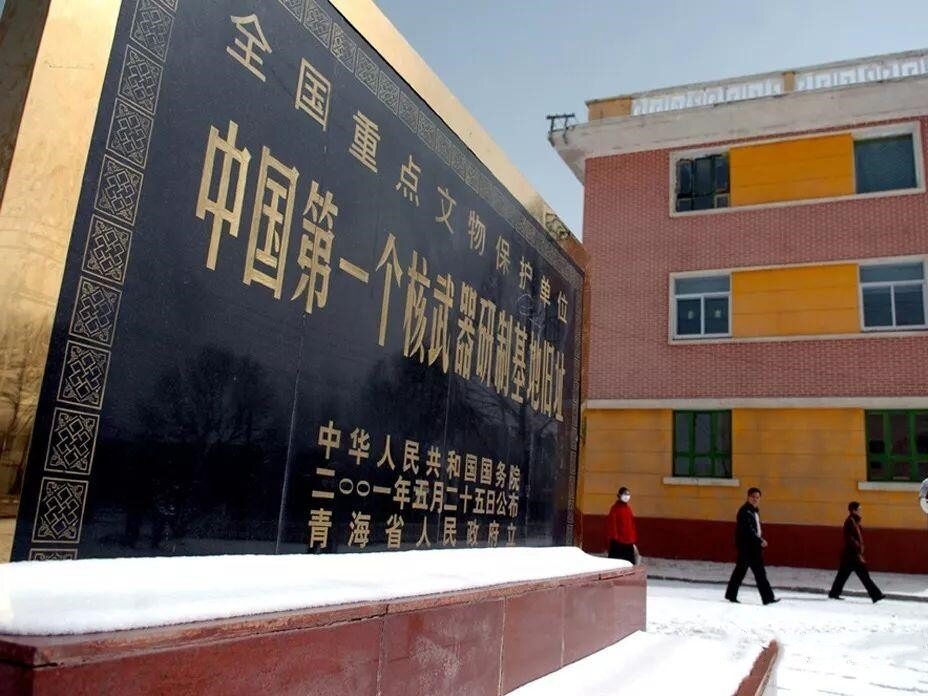
After the end of the Second World War, nuclear weapons became the focus of the development strategy of major powers. In March 1960, we were ordered to come to the prairie of Qinghai Province to participate in the construction of China’s first nuclear weapons research and development base, the 221 Plant. At that time, China was in a difficult period of three years, coupled with the deterioration of Sino-Soviet relations, the domestic and international situation was relatively severe. Under the guidance of the "self-reliance and hard work" policy put forward by the Party Central Committee, in order to grab time and catch up with progress, the construction team entered the prairie within the specified time. At that time, there were only more than 300 installation workers in the 221 factory, which was far from being able to meet the needs of the project. Later, some demobilized soldiers and youths on the sidelines were added. About 500 people formed an installation area (code 602), responsible for the installation tasks of the 221 factory.
The secretary took us to open up wasteland
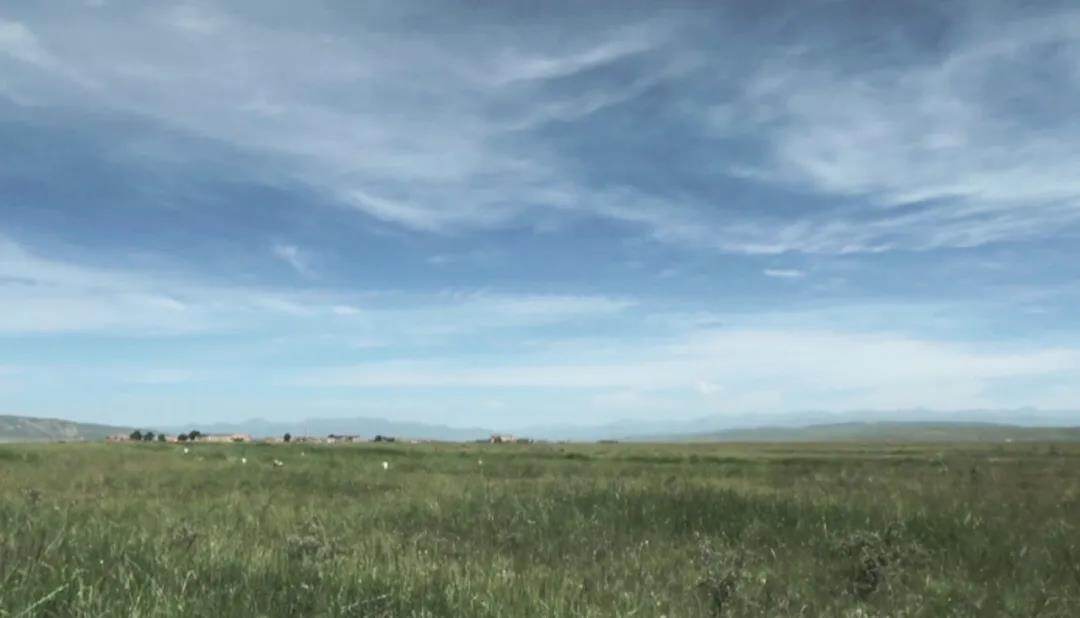
In order to prepare for the pre-construction work, the advance team composed of Wang Changfa and Xu Yujiu came to the No.21 Plant in Jinyintan Grassland, Haiyan County, Qinghai Province. Here is a large grassland with an elevation of 3,300 meters and a radius of nearly 1,167 square kilometers. The terrain is flat. At a glance, there was no tree in sight. In winter, the climate is cold, windy and sandy, surrounded by undulating hills and sparsely populated.
The three of us took the train from Lanzhou to the Xining reception station and applied for the "entry permit". It is about 120 kilometers from Xining to the 221 factory area. At that time, the dedicated train and railway had not yet opened to traffic, and personnel entering the factory could only be transported by a shuttle bus once a day. After arriving at the factory, we were temporarily arranged in a newly built "dry base" house.
When I first arrived in the grassland, the newly built houses were very humid, and it was cold outside in winter, sometimes reaching minus 25 degrees Celsius. There is a lot of wind and sand. I slept all night in winter and got up in the morning with a layer of sand on the quilt. At that time, there was no water to eat. Every day, we had to draw two or three people out to collect water from the wells of the ranch a kilometer away for a few people to use in a day. If there is a heavy snowfall and it is impossible to fetch water, we will gather the snow together and melt the snow to drink. More than a month has passed since this kind of life, even though the conditions are very difficult, we still have to work hard and make the necessary preparations for a large number of construction workers to enter the factory. The living conditions at that time were particularly poor, and the ration of food was also low, with only 24 catties of food and two dollars per person per month. The young guy in his twenties has a lot of appetite, so he can't get enough to eat at all. And because there was no vegetable to eat, and no oil and water, everyone couldn't solve their stools, and even had anal fissure bleeding. Later, many comrades had hemorrhoids. Every day everyone has the last meal and thinks about the next meal. When I went to bed at night, I was too hungry to fall asleep. Everyone thinks of a way. Some people say to drink soy sauce ointment, so we ask someone to buy soy sauce ointment in Xining City and come back to drink it. As a result, many people became hungry as they drank, but they developed edema, weakened legs and unable to work. Some comrades organized everybody to dig out potatoes and radishes dug by others on the farms and pastures on Sundays. Even though they could only harvest two or three catties a day out, they could at least satisfy their hunger.
The spirit of Nanniwan encourages us to overcome the temporary difficulties in life. The secretary of the company Meng Zhaomei, an old Communist Party member, led everyone to the prairie to pick up cow dung and sheep dung on the prairie, collect dung and open up wasteland, increase non-staple food for us and improve our lives. In this way, everyone grasps life with one hand and production with the other. This has become a magic formula for us to overcome difficulties.
Built oxygen workshop in more than 40 days
Every time you arrive at a new construction site, you must first go to the site and understand the specific content and construction sequence of each branch according to the requirements of the general plan. However, on the land of more than 1,100 square kilometers, which factory area should be prepared first must be determined according to production needs. After analysis, we decided to first install the 515 oxygen plant in the tenth plant. However, we have never done the construction of the oxygen plant. In order to familiarize ourselves with the construction content as soon as possible, we first visited and studied in Lanzhou to understand the problems that may arise during the construction, and speed up our construction by learning from the experience of others. After learning back, we immediately began to prepare construction plans and equipment, material plans and other construction preparations to actively create construction conditions. After all the preparations were in place, soon, the first crane, the first fractionating tower, and the first oxygen generator in the oxygen plant were successfully installed, and the indoor pipeline connection and power supply were completed one after another. In just over 40 days, a complete oxygen plant was installed and qualified oxygen was produced after trial runs.
The layout of the branches of the 221 Plant is relatively scattered, with each plant area separated by 3 to 5 kilometers. After the construction of the tenth plant was completed, we moved into the second plant. This is a very important factory area. Its characteristic is that all workshops require explosion-proof, the indoor floor is a non-sparking floor, and even the hinges, bolts and other hardware on the doors and windows must be non-ferrous metals. For construction in such an extremely scattered place, our first task is to build temporary construction facilities. The three installation teams took on this task. In order to ensure the progress of the project, about seven or eight of us temporarily set up tents. The tents are used as offices and dormitories, and work on the spot. It was in this tent that we designed temporary construction drawings and laid out the construction, processing, warehouse, canteen, dormitory and other sites.
In the second half of 1962, the country's economic situation improved, and the basic construction of the 221 Factory also accelerated. According to national combat readiness needs, the core plant area of the 221 Plant is the seventh plant area. The key lies in the problem of nuclear pollution after the explosion of nuclear weapons. Because the Soviet Union withdrew experts and engaged in a technical blockade, there was no design plan for this plant area. In the absence of information, technical personnel in scientific research, design and other fields have independently designed the seven factories after assiduous research. In order to speed up the construction preparations for the seventh plant, before designing a construction drawing, Chu Minghan, then deputy manager of the Ersan Company, led me, Liu Shixiong and Yang Diansheng, three engineering and technical personnel to the Beijing 13th Bureau Design Institute to find out. We used the bed as a desk in the guest house, and compiled the first "Construction Organization Design" of the 221 Factory. Although the drawings have not yet come out, but through the oral confession and sketches of various professional designers, we are basically aware of the new technologies, new materials, new equipment, and new processes in the seventh factory area, and "war" the seventh factory area for us. Prepared for construction in advance. Later practice proved that our preliminary preparations played an important role in the construction of the project.
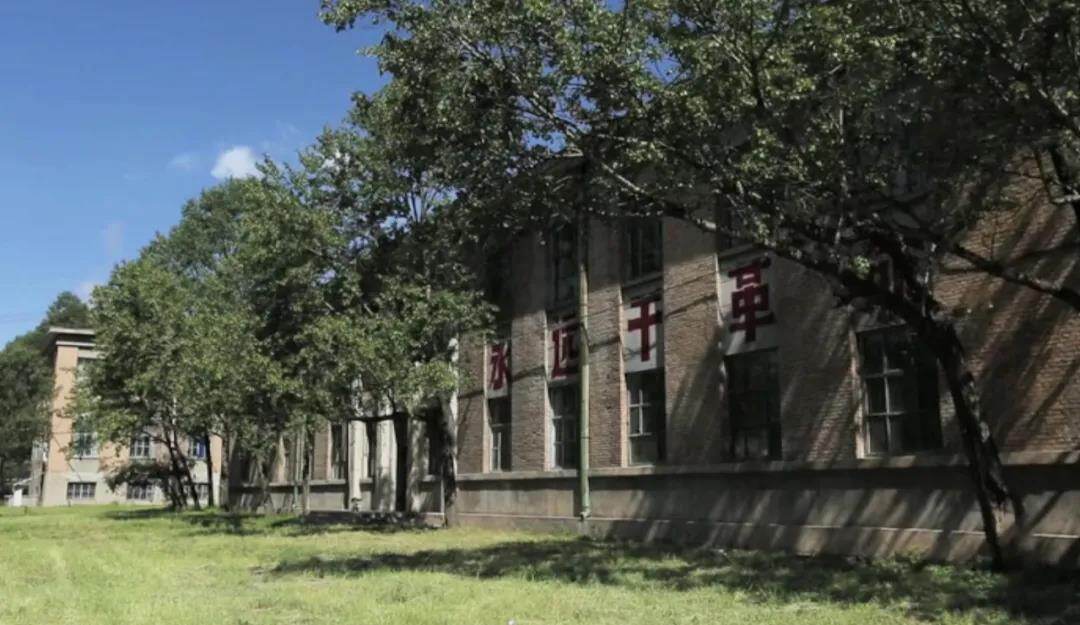
In the construction of the seventh plant, the construction of the 717 radiochemical laboratory is a new topic for us. Because of the radioactive pollution, the construction cleanliness is very high, and the ground requires the use of easy-to-clean and anti-pollution materials. In order to speed up the construction progress and ensure the quality, we have invited experienced masters to teach technology. Through face-to-face learning, our master workers quickly mastered the technique of laying plastic floors, and finally completed the task with quality and quantity, ensuring the operation of the radiochemical laboratory. The installation of the dosing pipeline is also a difficult point in the construction of the seventh plant area. In radiochemical engineering, the dose pipe is a very small pipe used to detect radiation dose. They extend to a wide range of places. These pipes must be installed wherever there is radioactive contamination and need to be tested, including the top of a chimney that is more than 30 meters high. In the plateau areas, buildings can be built up to three floors at most, and small pipes have to be laid on the 33-meter-high chimney. The difficulty can be imagined. In order to minimize construction difficulties, technicians must comprehensively consider various factors when preparing construction plans. According to the construction plan, in order to lay and install small pipes on the outer skin of the chimney when making the thick wall duct of the exhaust chimney, the construction personnel need to weld the large chimney with a height of 33 meters, a diameter of 800 mm and a wall thickness of 8 mm into a whole on the ground. Then lay the small tube on the outer wall of the large tube, weld the pipe clamp, paint, and then install the small tube outside the large tube. After the overall installation was completed, when there was no large crane at that time, we made the herringbone mast for one-time hoisting according to local conditions, and successfully completed the installation task.
Lay the foundation for the plant to put into scientific research and production as soon as possible
The 718 heat source boiler room is one of the key points of construction in the seventh plant area. Because there is no heat source, heating and air-conditioning in the entire plant cannot be operated, and scientific research and production cannot be carried out. The boiler room and the heating network are important links connecting various job numbers. When the boiler room is installed, thousands of meters of pipelines are being laid in the heating network trench, and there are more than a dozen inspection wells. The winter heating network test is very important. In the past, there have been accidents in which the heating network was burnt in the winter test. It was January 1964, the coldest season on the grassland, and the outdoor temperature was minus 22°C. If the measures are improper, a quality accident is likely to occur. Therefore, how to successfully carry out the water pressure test of the hot pipe is a difficult problem we face. After joint research by engineers and technicians, workers and leaders, it was decided to use the hot water generated in the boiler room to preheat the pipeline system first, and then test the pressure. But what temperature is appropriate? Because the pipeline is installed in the trench, the pipeline is very long, and the suppression time is difficult to determine. With this question in mind, we did an experiment. We choose a steel pipe about 6 meters long with the same specifications as the heating network, fill it with hot water, put it in the heating network pipe trench, and test the temperature every hour to check whether the water in the pipe is frozen. After the actual environment test, the final selection of 35 ℃ hot water for hydraulic pressure test.
In order to carry out the suppression in an orderly manner, we have also made careful considerations in suppressing the organization, and at the same time we have formulated pre-plan measures. The suppression work was carried out by five teams. Among them, there is a foreman team, an electrician team in the boiler room, a team for outdoor pipeline inspections, a team for valve inspection wells, and a team for suppressing operations. The commander-in-chief is in the charge of engineering and technical personnel and the squad leader. The welders are on standby and the workers are arranged for communication work (there were no communication tools such as walkie-talkies at the time).
The pre-planned measures are mainly to comprehensively consider the possibility of an accident and its location in advance. The focus of our attention is the welding seam, and the valve flange and asbestos gasket. To this end, we have also prepared spare parts such as bolts, asbestos gaskets, valves, etc. of different specifications. After the cyclic pressure test was started, there was indeed a leak in the inspection well due to the rupture of the asbestos gasket of the valve flange. Due to our full preparation, we replaced the asbestos mat in only 7 minutes, which effectively solved the problem and ensured the success of the suppression. It laid the foundation for the 7th factory to put into scientific research and production as soon as possible, and was highly praised by the production units.
The construction of the 221 factory is progressing very quickly. In October 1962, the Beidaihe Meeting of the Central Committee of the Communist Party of China requested that the nuclear energy industry accelerate the development speed. Therefore, the factory leaders asked some plant areas to conduct tests as soon as possible. To this end, CNNC 23 employees stepped up their commissioning work regardless of day and night. Just as we stepped up our pace and stepped up construction and scientific research, we received a notice that the Soviet Union was preparing to destroy China’s nuclear base. While we were intensively constructing and preparing for battle, we used the rest time to dig cat ear holes for air defense exercises. Finally, before October 1963, the engineering projects we undertook were delivered one after another.
On October 16, 1964, China's first atomic bomb was successfully tested! The whole country and the whole factory are immersed in joy. On the prairie of Jinyintan, we have nothing at the beginning, and we have risen from the ground of factory buildings. Years of fearless struggle is the constant patriotic blood that inspires us to overcome all difficulties. The dedication to the motherland has given us a strong motivation.
(Zhang Changshun, born in March 1936, worked in 1956, member of the Communist Party of China, senior engineer. He has participated in the construction of the 613 project, the 221 factory, the 902 factory, the 813 factory, and the construction organization design of the Xichang satellite launch base and important civil projects And the main technical management work. He used to be the chief engineer of the Fourth Engineering Company of China National Nuclear Corporation. In 1992, he was approved to enjoy the special government allowance of the State Council.
In 1960, he led a contingent to go to the 221 factory to carry out basic construction work. Faced with adverse factors such as the harsh natural environment, construction conditions and insufficient technology, he and his employees made every effort to overcome the impact of extreme weather, lack of food and water and other living dilemmas, as well as construction difficulties without construction experience and construction drawings, and completed the project with quality and quantity. Completed the basic construction tasks of 221 Factory, and made outstanding contributions to China's construction of nuclear weapons research and development bases. ) Editor/Sang Xiaomei
Comment





 Praise
 Collect
 Comment

 Share
Share


Write something~