 Search


- In the next five years, clean energy in the Middle East will account for US$250 billion worth of investment in the utility industry
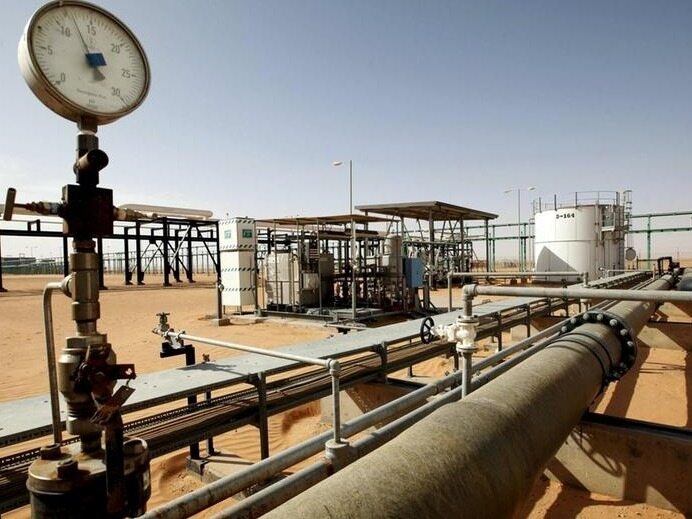
In the next five years, energy investment in the Middle East and North Africa may exceed US$805 billion, as demand in the region continues to grow, and crude oil production in Libya and other places has also rebounded. The share of renewable energy in the power structure is increasing, especially in oil exporting countries in the region, which will rise to 40% of the total share. In the next five years, clean energy will account for $250 billion worth of investment in the utility industry. With the completion of several large-scale projects in the region in 2020, the promised natural gas investment will be reduced by US$9.5 billion to US$75 billion.
Renewable Energy
Apicorp CEO Ahmed Attiga said: "As most Mena countries resume GDP (gross domestic product) growth in 2021, the energy transition shows no signs of slowing down, and the energy industry is entering A period of relatively stable investment. He added: "We expect the energy industry to recover slowly but steadily from the impact of the Covid-19 pandemic, supported by continued public sector investment and rising demand. With the restoration of upstream projects in Libya, regional energy investment will receive new injections, and the planned projects alone will account for US$10 billion.
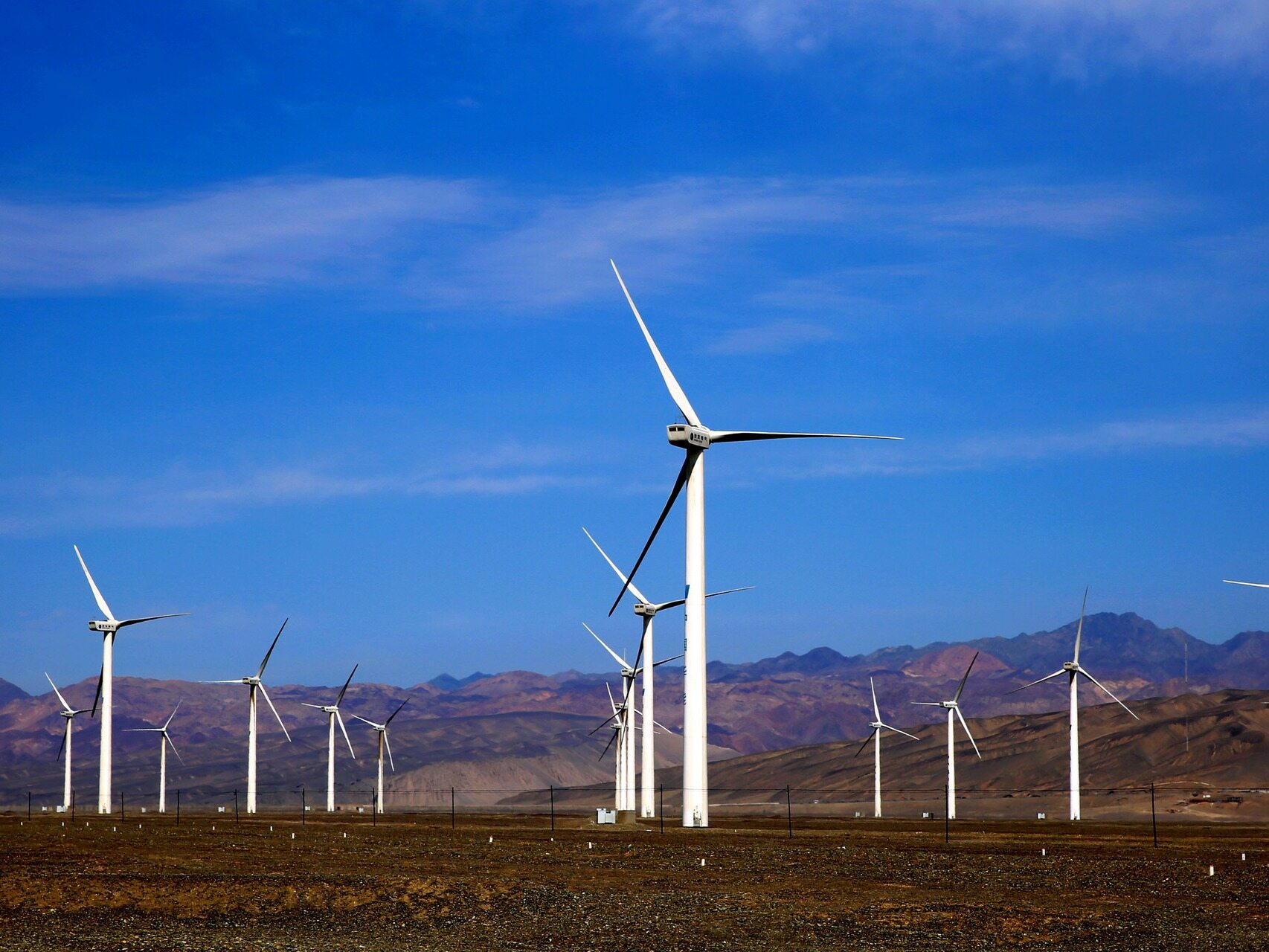
Renewable energy projects are also expected to grow, with an additional 3 gigawatts of installed solar capacity in 2021. The increase in production capacity is twice that of last year. The region will also add 20 gigawatts of renewable energy power generation capacity in the next five years. Non-oil exporting countries will also increase significantly. Jordan will increase its renewable energy power generation capacity from 1% in 2012 to 20% this year, and plans to increase the proportion of renewable energy in its energy mix to 30% by 2030.
Renewable energy's share of electricity in Morocco is 37%, and it accounts for 90% of Morocco's 3.5 million kilowatt transmission capacity. The UAE's renewable energy power generation capacity is expected to increase after reaching 6% of total installed capacity and 3% of power generation last year. It is expected that solar power generation in OPEC oil-producing countries will also grow at the fastest rate in the region, and nearly 5 gigawatts of solar power plans are in the making.
Saudi Arabia plans to increase its renewable energy power generation capacity by 50% and increase its investment in hydrogen. It will only increase its clean energy capacity by 3.3 million kilowatts, which is a far cry from the goal of reaching 27.3 gigawatts by 2024. The Organization of the Petroleum Exporting Countries (OPEC) Iraq, the second largest oil producer, is also selecting developers for a 755 MW solar project. The country ambitiously hopes to add 10 gigawatts of solar power generation capacity by 2030 and use solar power to generate one-fifth. In the downstream hydrocarbon industry, the planned investment will increase to US$109 billion between 2021 and 2025. Apicorp stated in its annual investment outlook that the Mena region is also "a strong candidate for becoming a major hydrogen export center." In addition to Saudi Arabia and Morocco, which plan to invest, Oman, the UAE and Egypt are also likely to see growth in this industry. Editor/XuNing
Comment



 Praise
 Collect
 Comment

 Share
Share


Write something~