 Search


- The leaders of China and Russia recently witnessed the groundbreaking ceremony of the nuclear power unit
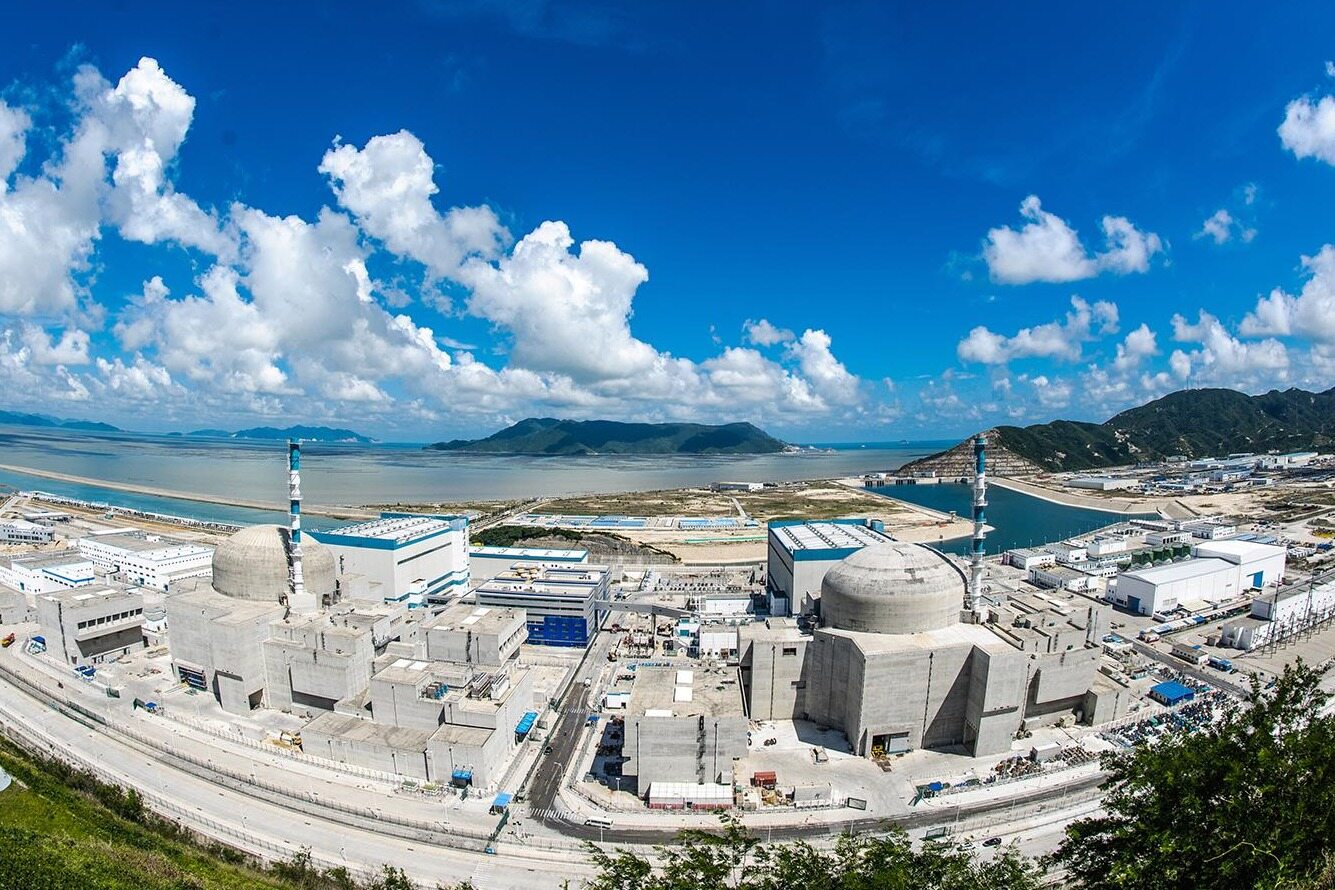
The Tianwan Nuclear Power Plant is the largest project of China-Russia economic cooperation. In 1997, China signed an agreement with "Russian Atomic Energy" to build a new nuclear power plant in China. Four units of the nuclear power plant had been put into operation before 2018. Even the pandemic failed to interrupt the implementation plan of the project: Unit 5 of the nuclear power plant was successfully put into operation in July 2020, and unit 6 was already put into operation in April 2021.
The construction of Units 7 and 8 of the Tianwan Nuclear Power Station in Jiangsu Province and Units 3 and 4 of the Xudabao Nuclear Power Station in Liaoning Province have recently started.
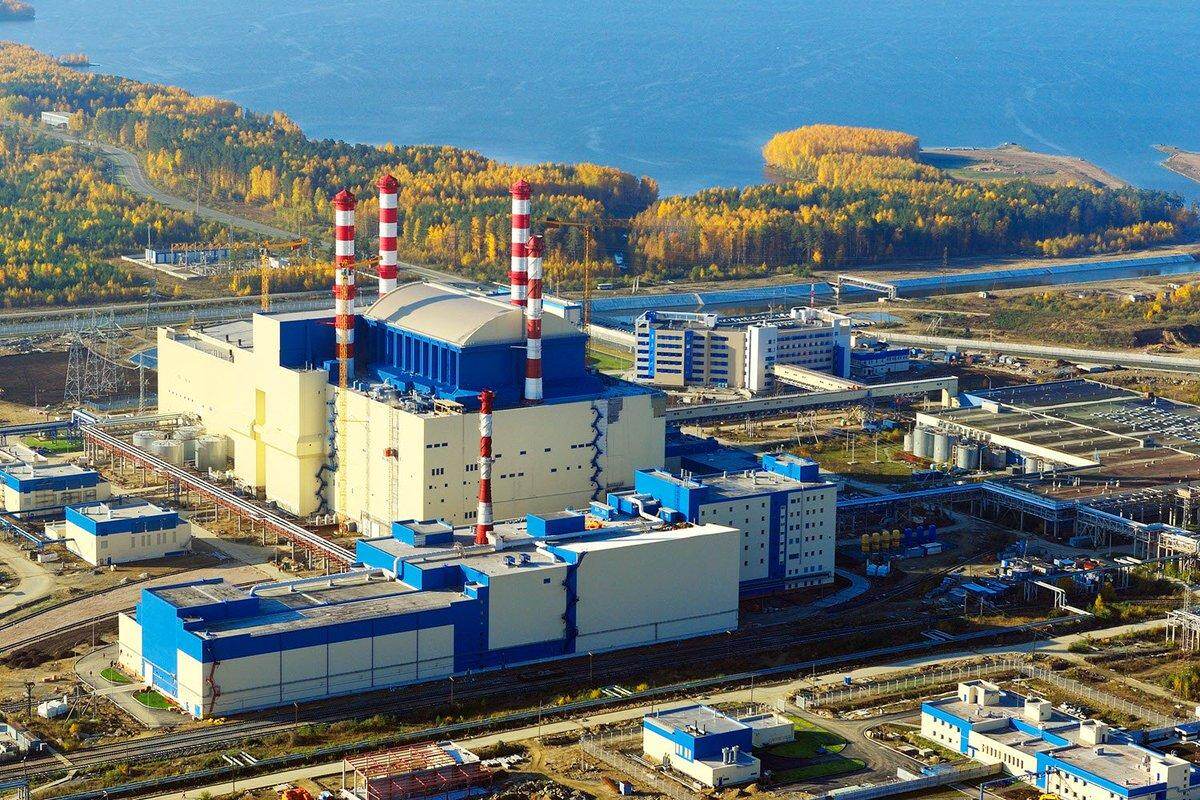
The Xudabao nuclear power plant is a new project of cooperation between Russia and China in the field of nuclear energy. An agreement was reached in 2018 for cooperation on this project. These nuclear power plants will use the latest VVER-1200 reactors. Their production capacity is higher, safety and installed capacity increased by 20%.
Dmitry Alexandrov, head of UNIVER Capital's analysis and research department, said: "China's nuclear power construction market is the world's largest and possibly the most promising market."
According to Alexandrov, China is currently building the largest number of nuclear power plants-almost three times that of Russia and six times that of the United States. With the completion of the 7th and 8th units, Tianwan Nuclear Power Plant will become the nuclear power plant with the largest installed capacity in the world.
Alexander Roff believes that for "Russian Atomic Energy", the expansion of "Russian Atomic Energy" in the Chinese market is "a huge success, especially considering that many Western and Central European countries reject nuclear power, while in other countries political obstacles prevent it." Russia participates in the tender for nuclear power projects". The Chinese market is more attractive to "Russian Atomic Energy" because of the huge potential for nuclear energy development there.
Construction based on Russian technology means that "Russian Atomic Energy" will ensure the operation of the TVEL station and the disposal of nuclear waste. This means that the project is not only beneficial to both parties, but also long-term mutual benefit to both parties.
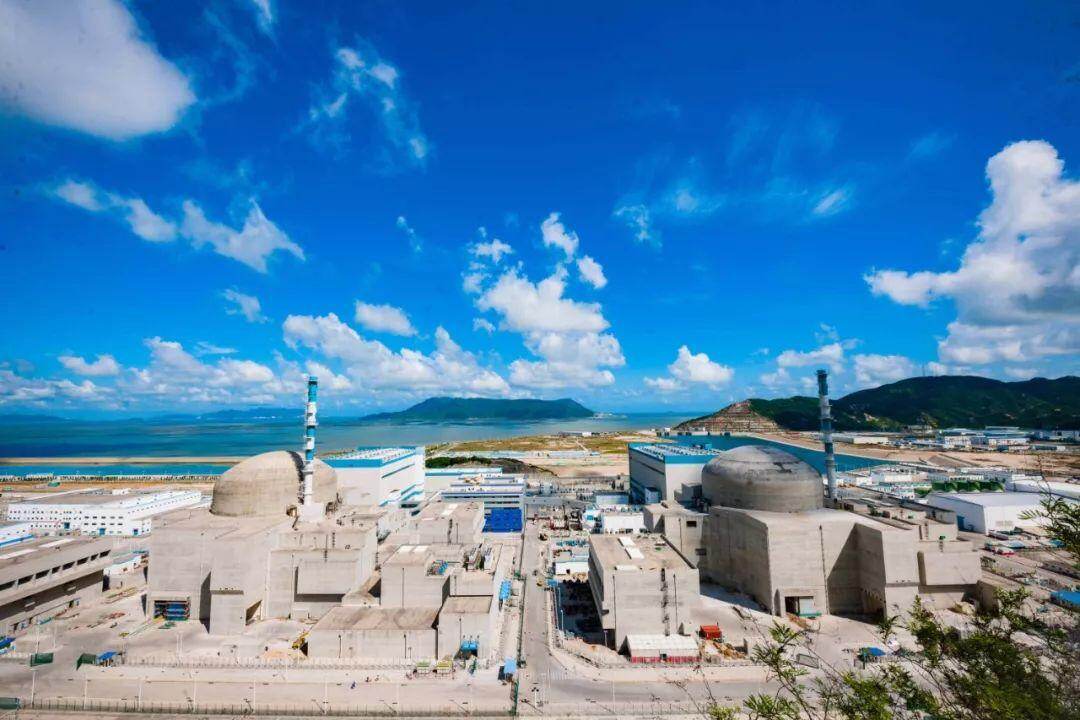
In addition, China plans to continue to increase the proportion of nuclear power generation, because in recent years the Chinese government and major consumers have paid more and more attention to environmental protection and sustainable development issues, and they are working hard to reduce the use of fossil fuels. As we all know, China has set a goal of peaking greenhouse gas emissions by 2030 and achieving carbon neutrality by 2060.
"Considering the economy’s energy intensity plan and climate goals, China will continue to develop nuclear energy. It is difficult to achieve these goals only through traditional renewable energy, including hydroelectric power generation. Compared with Japan’s Fukushima nuclear power plant before the accident, China will continue to develop nuclear energy in recent years. The number of nuclear power plants built has decreased.
He introduced that Russia will receive orders for several new units from China in the next few years. The Russian expert said that “Russian Atomic Energy” needs to reach an agreement on projects outside of Northeast China, where the main energy source comes from coal. Editor/Xu Shengpeng
Comment



 Praise
 Collect
 Comment

 Share
Share


Write something~