 Search


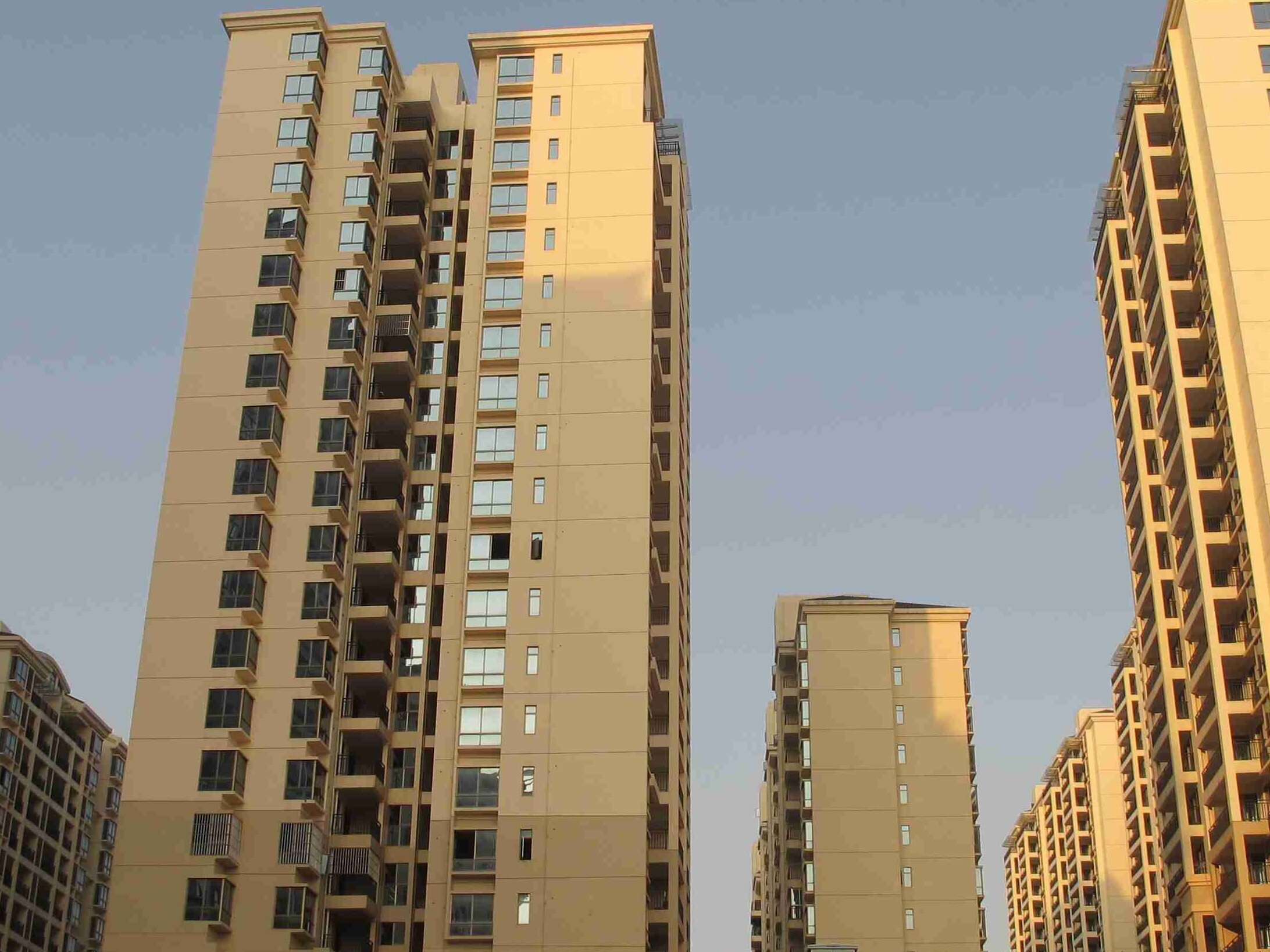
- It is planned to add 700,000 new houses, and the per capita housing area will reach 36.2 square meters
With the acceleration of urbanization, the demand for housing in regional central cities continues to expand. Recently, the "14th Five-Year Plan for Housing Development in Qingdao" was officially released. According to the "Plan", during the "14th Five-Year Plan" period, the city will add about 700,000 new urban housing units, and by the end of 2025, the per capita urban housing construction area will reach 36.2 square meters. By the end of the planning period, the total area of leased housing in the city has exceeded 50 million square meters, reaching 600,000 units (rooms), and the proportion of leased housing units in the total number of housing units has increased to more than 15%. It is reported that the scope of this planning is the entire urban development boundary of Qingdao City (Shinan District, Shibei District, Licang District, Laoshan District, Chengyang District, West Coast New District, Jimo District, Jiaozhou City, Pingdu City, Laixi City). Urban housing within the range.
700,000 new urban housing units in the city
It is reported that during the "14th Five-Year Plan" period, the development of urban housing in Qingdao will shift from focusing on purchasing to renting and purchasing, from satisfying quantity demand to focusing on both quality, and from incremental expansion to increasing inventory. The "Planning" proposes that in the next five years, Qingdao's urban housing development should strive to achieve the following main goals. The level of urban housing development is steadily increasing, housing demand, layout, quality, investment, and distribution structure are more optimized to achieve a higher level of supply-demand balance; the real estate market maintains long-term stable and healthy development, housing demand for new citizens and introduced talents is fully guaranteed, and housing development mode Continuous transformation, realizing full-life cycle management, where housing is available, housing is suitable for living, and the level of job-housing balance is significantly improved, and housing development is more coordinated with urban development and national economic development. During the "14th Five-Year Plan" period, the city will add about 700,000 new urban housing units, and by the end of 2025, the per capita urban housing construction area will reach 36.2 square meters.
In addition, it is necessary to stabilize land prices, house prices, and expectations, and improve the market-oriented housing supply system consisting of leased and property-owned commercial housing; promote housing security from household registration households to full coverage of urban permanent residents, and establish a sound lease-based housing supply system. A housing security system composed of public housing and property-owned public housing; taking the needs of new citizens and the introduction of talents as the main starting point, optimize the housing rental and purchase structure. The proportion of rental housing units in all housing units will be increased to more than 15%; the facilities configuration standards of residential and residential communities will be improved, the ability to support the aged and the children will be improved, and the quality and coverage of property service management will be improved. Promote the transformation of old communities in cities and towns.
Constructing the housing development pattern of "three major districts"
Judging from the current situation of the city’s housing elimination cycle, most districts (cities) are mainly new houses newly built, and some districts (cities) have large housing stocks. New houses must be rationally arranged on the premise of prioritizing the digestion of the stock. The "Planning" mentioned that it is necessary to build an overall housing development pattern of "optimized promotion zone, key expansion zone, and outer suburb development zone". Guided by differentiated urban construction, functional enhancement, and industrial development, each district will improve housing supply.
Among them, the optimized promotion areas include Shinan District, Shibei District, Licang District, and Laoshan District. This area is a comprehensive functional area dominated by Qingdao's administration, culture, finance, science and education, commerce, business, tourism and vacation. It is also a concentrated area of Qingdao's historical and cultural features, coastal features, and an urban functional relief area. There will be strong demand for new housing in the future, but the potential for urban space expansion is small. Specifically, optimize and upgrade the areas-Shinan District, Shibei District, Licang District, and Laoshan District. The area of urban space that can be expanded is small, the potential for new housing is limited, and the proportion of new jobs is high every year, and the demand for new housing is strong. It is planned to add about 10,000 new houses in Shinan District, about 44,000 new houses in Shibei District, about 54,000 new houses in Licang District, and about 29,000 new houses in Laoshan District. The land situation in Shinan District and Laoshan District is tight. It is necessary to actively combine urban renewal, tap the potential for idle land, and build moderately new housing. Shibei District currently has a long dechemical cycle and needs to prioritize the digestion of the stock.
Key development areas include West Coast New District, Chengyang District, Jimo District and Jiaozhou City. This area is a key area for urban development space expansion in Qingdao. It is a technological, ecological, and humanistic new urban area that Qingdao strives to build. It is also a core area for the implementation of the national maritime power strategy, industrial upgrading and undertaking function deconstruction. As the main area for new housing supply in Qingdao in the future, the key expansion area must not only meet the first-time home purchase and improvement needs of local residents, but also meet the need to optimize and upgrade the overflowing housing demand of the district. It is planned that approximately 192,000 new housing units will be added in the West Coast New District, which is more than a quarter of the city’s new supply. It is the main area for new housing additions. Chengyang District adds approximately 121,000 new housing units, and Jimo District and Jiaozhou City add approximately 9.4 housing units. 10,000 sets and 84,000 sets. Jiaozhou District currently has relatively high housing inventory, and consideration should be given to prioritizing the consumption of inventory; Jimo District and West Coast New District currently have a relatively reasonable de-chemical cycle, but due to the continuous large scale of land supply and new housing in recent years, the potential inventory is relatively high, which needs to be combined with inventory changes Be cautious in adding new housing land supply.
In addition, Pingdu City and Laixi City, as the outer suburbs development areas, are important areas for Qingdao to promote new urbanization, improve the level of ecological environment protection, and coordinate the development of urban and rural areas, as well as important advanced manufacturing bases. In the future, the two cities will speed up the process of urbanization, stabilize the supply of land and commercial housing, and prevent excessive fluctuations in the housing market. It is planned to add about 46,000 new houses and 26,000 new houses in Pingdu City and Laixi City. At present, Laixi City and Hepingdu City have a long housing de-allocation cycle and relatively high housing inventory. The newly added housing should be prioritized to digest inventory.
Guide green and smart construction of new models
The "Plan" proposes to promote the energy-saving transformation of existing residential buildings in cities and towns. Focusing on old communities in cities and towns, combined with heating system reform, heat source renovation, urban appearance and environmental improvement, and sponge city construction, we will complete the energy-saving renovation of more than 15 million square meters of existing residential buildings in cities and towns, and continue to improve the living conditions of the people. At the same time, optimize and improve community services and governance, and implement the supporting requirements for complete residential community facilities. According to the "Complete Residential Community Construction Standards (Trial)", the size of the residential community and the unit of community governance are reasonably determined. In principle, a single residential area or community should have a population of 0.5-12,000. Newly built residential areas should implement the 15-minute living circle requirements and the relevant requirements of the "Qingdao Urban Public Service Facilities Supporting Standards and Planning Guidelines" to ensure that all kinds of community office, service facilities and public activity spaces are planned, constructed, checked and accepted simultaneously with residences. deliver. Existing residential areas should be integrated with urban renewal, make up for shortcomings in construction according to local conditions, and adopt gradual renewal.
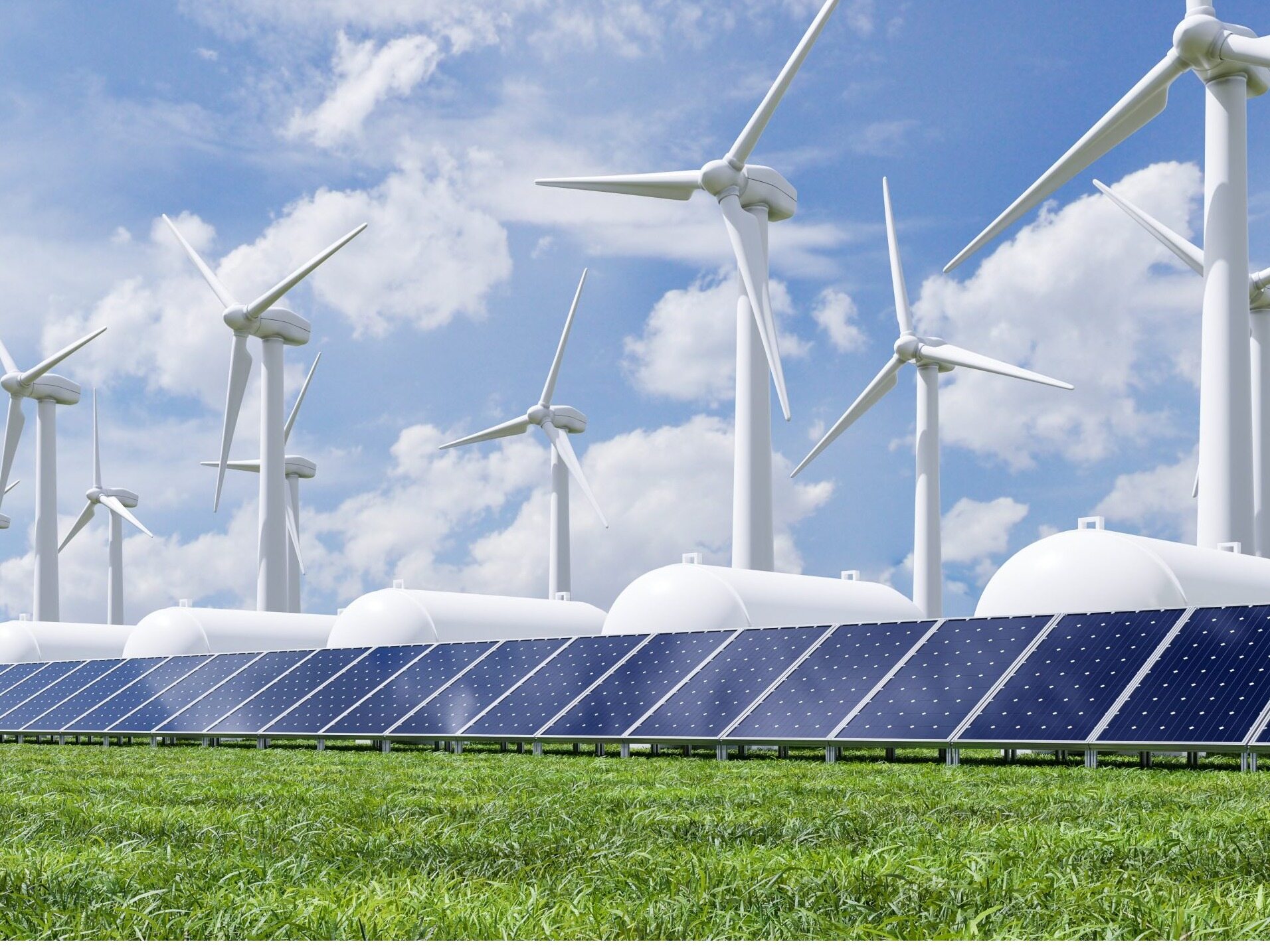
At the same time, guide enterprises to implement a green development model throughout the entire cycle of housing development, construction, management and operation. Strictly implement the "Green Building Evaluation Standards" (GB/T50378-2019), 100% of new residential buildings meet the green building requirements, and the star-level level of green residential buildings will be comprehensively improved. Newly built residential buildings fully implement the current national building energy-saving standards, and timely promote the implementation of higher energy-saving standards. Actively develop prefabricated residential buildings, promote the application of renewable energy and green building materials in the field of housing construction, and gradually increase the proportion of applications.
Strategy: Infrastructure construction, infrastructure construction, domestic engineering news, new infrastructure news, new infrastructure construction, infrastructure construction news
Modern housing management is different from the past. The "Planning" proposes to realize the whole life cycle management of housing. Build a housing full life cycle information system, and realize the digital management of the entire life cycle of housing from survey, design, construction, acceptance, delivery, transaction, use, maintenance to demolition. Strengthen the fine management of the whole life cycle of the city's housing. Relying on the city's cloud brain two and three-dimensional GIS platform, build a "map" of housing management to realize the spatial and visual management of housing data in the city. And through the housing data fusion sharing system, the data interface is developed to share the housing attributes, use attributes, safety attributes, policy attributes and market entities and other results data to meet the needs of housing transactions, use, maintenance, safety hazard investigation, real estate registration, and urban renewal. Data requirements for assessment, public security management, emergency security, tax management, etc. Strengthen data interaction and sharing, use housing as a space carrier to further carry various attribute data, and tap data value potential through data association and synthesis, and gradually establish a multi-dimensional, wide-ranging data model of land, buildings, houses, people, things, and things. Provide data bases and application scenarios for CIM basic platform construction and smart city construction, and comprehensively improve urban governance capabilities. Editor/Xu Shengpeng
Comment





 Praise
 Collect
 Comment

 Share
Share


Write something~