 Search


- A railway, famous for its scale and difficulty of construction, was included in the World Heritage List by the World Heritage Committee
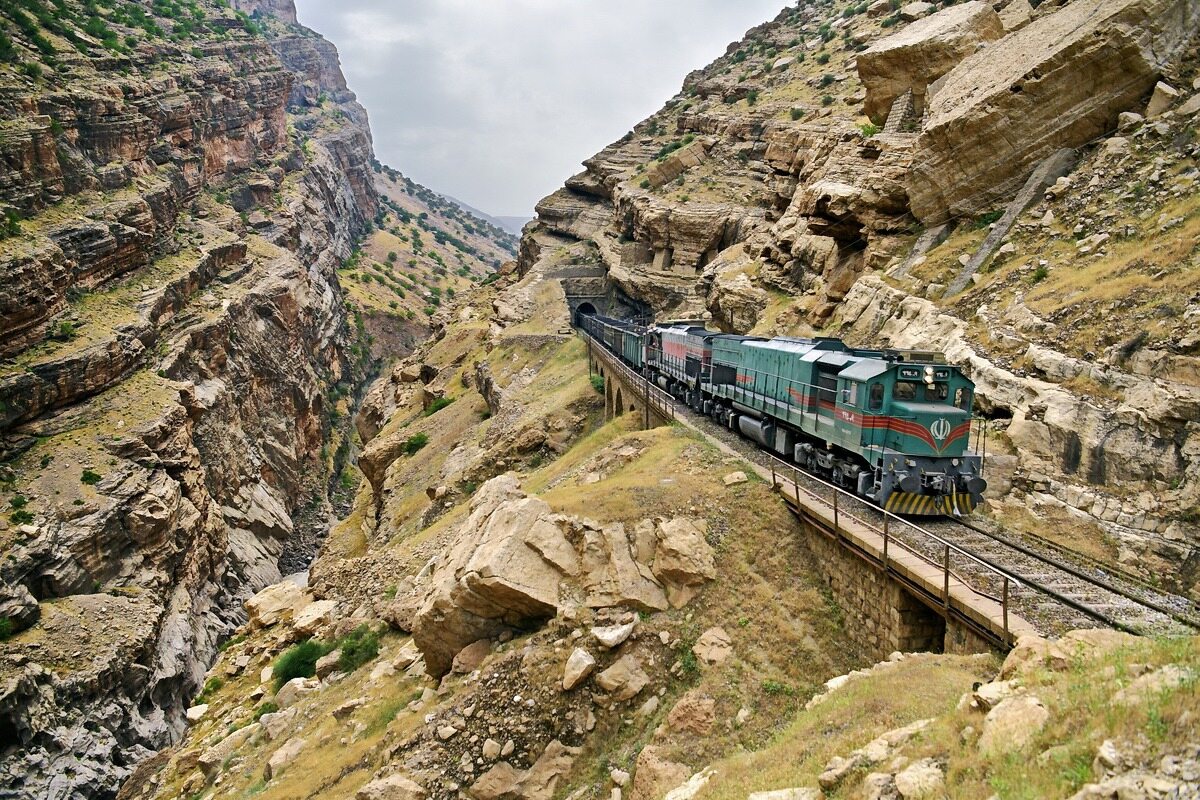
On July 25, 2021, at the 44th World Heritage Conference in Fuzhou, China, the World Heritage Committee decided to include the "Iranian Longitudinal Railway" in the "World Heritage List", which is Iran's 25th World Heritage Site.
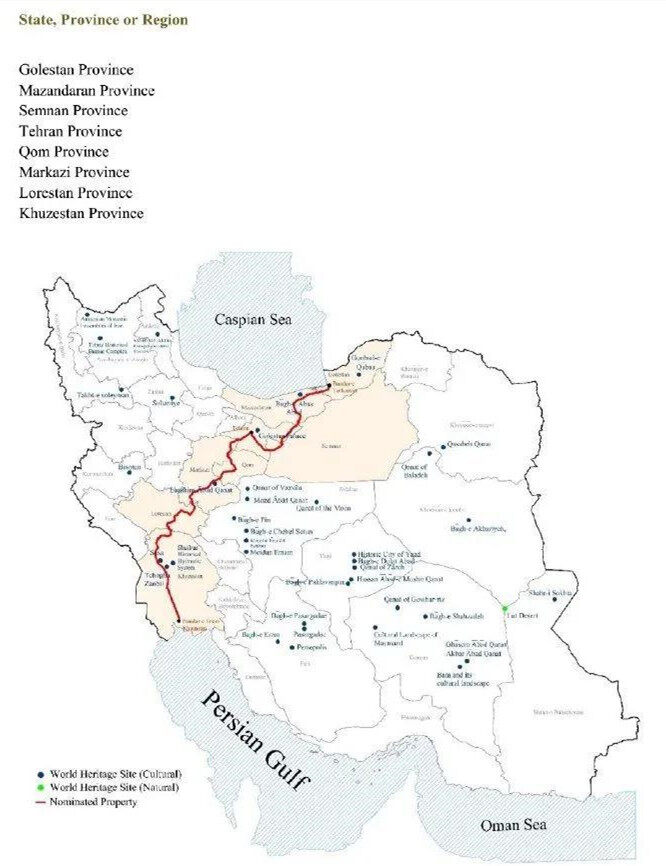
The railway can be regarded as a turning point in Iran's modern economic, commercial, social, cultural and even political development, which has greatly promoted the modernization process. This railway running through Iran’s north and south was built in 1927 and was completed in 1938. Its design and construction are the result of successful cooperation between the Iranian government and 43 construction contractors from multiple countries. The railway is 1,394 kilometers long and has 90 stations along the way. It is famous for its scale and the engineering required to overcome steep routes and other difficulties. The rugged terrain caused the paving work to involve multiple large-scale mountain cuts, as well as the construction of 174 large bridges, 186 small bridges and 224 tunnels, including 11 spiral tunnels.
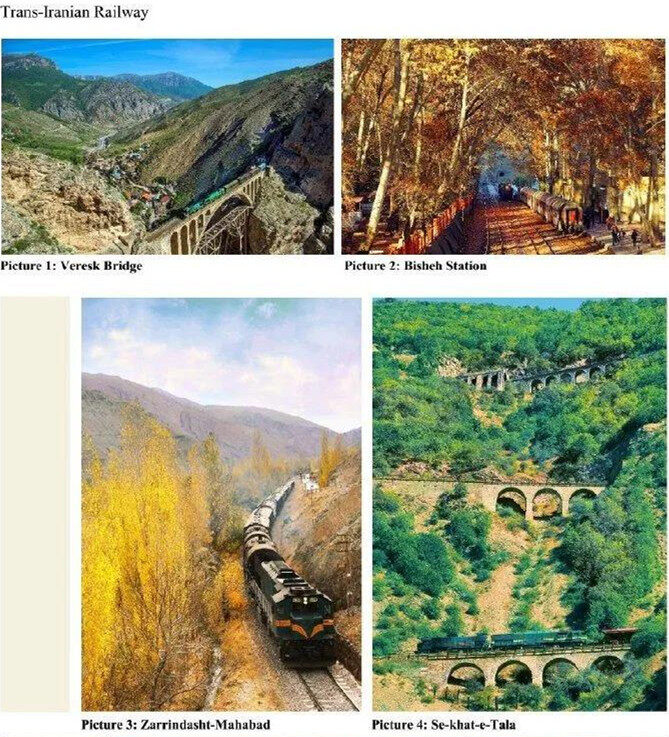
One of the characteristics of this route is the diversity of the geographical environment. Iran's longitudinal railway connects the Caspian Sea in the north and the Persian Gulf in the south, passing through the Alborz Mountains and Zagros Mountains, as well as numerous rivers, plateaus, forests and Plain, across 4 climate zones. Along the railway line, you can experience a variety of landforms and magnificent scenery in different climatic regions of Iran, including mountains, valleys, forests and lakes, and plains, pastures and deserts.
Up to now, a total of 23 cultural heritage sites and 2 natural heritage sites in Iran have been included in the UNESCO World Heritage List. Editor/Tian Zengpeng
Comment





 Praise
 Collect
 Comment

 Share
Share


Write something~